





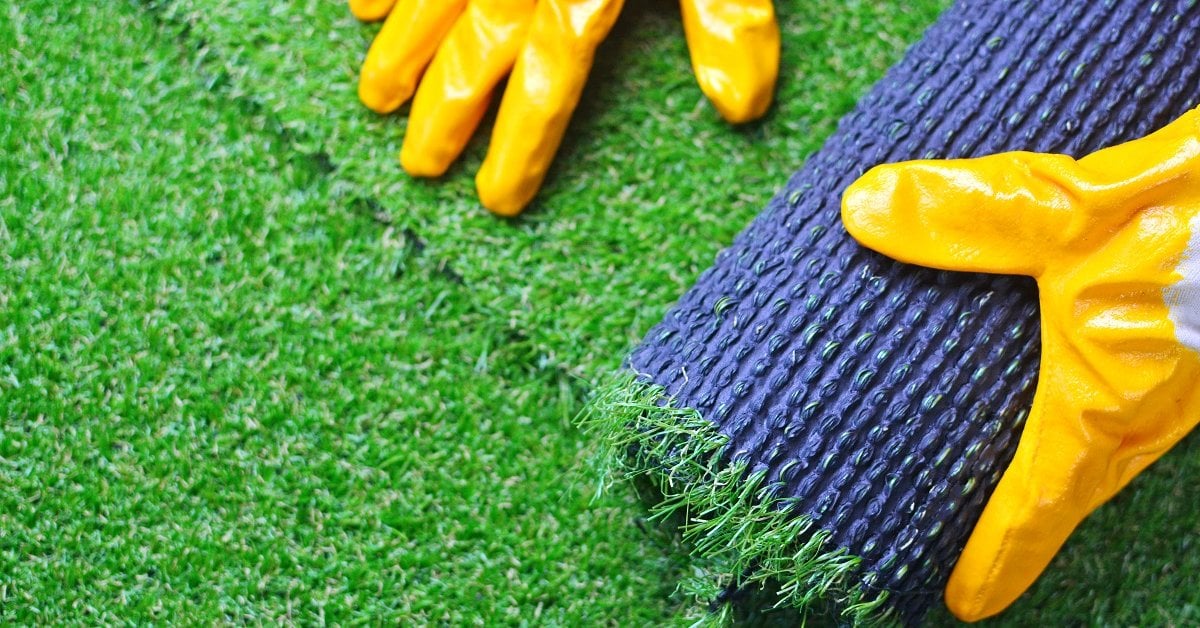
A green, attractive lawn can make any property look more welcoming. However, maintaining natural grass requires regular mowing, watering, fertilizing, and seasonal care. For homeowners who want a cleaner outdoor space with less routine work, synthetic grass can be a practical alternative. Professional artificial turf installation offers a way to enjoy a consistently green lawn without many of the maintenance tasks associated with natural grass. It can also create a neat surface for family activities, pets, and outdoor relaxation.
Changing from natural grass to synthetic turf requires careful planning. Homeowners should consider the condition of the existing lawn, drainage, turf quality, and how the finished area will be used. Preparing these details before installation helps create an attractive surface that performs well over time.
Decide Whether Synthetic Turf Suits Your Property
Before replacing natural grass, consider your household needs and how much time you currently spend maintaining your lawn. Synthetic grass can be useful for homeowners who want a consistent appearance without frequent mowing or regular watering.
Evaluate Your Outdoor Space
Look at the size and shape of your lawn. Consider whether the area receives heavy foot traffic, has shaded sections, or regularly develops muddy patches. These conditions can help determine whether synthetic turf is a suitable choice.
Artificial grass can work well in several areas, including:
- Front lawns and backyard spaces
- Pet areas and dog runs
- Children’s outdoor play areas
- Small garden sections
- Areas where natural grass struggles to grow
Consider Your Lifestyle
Families with busy schedules may appreciate having fewer lawn care tasks. Pet owners may also prefer a surface that stays cleaner than muddy natural grass.
However, synthetic turf still requires occasional cleaning and maintenance. A professional artificial turf installation plan should match the property’s daily use, available space, and household preferences.
Choose the Right Artificial Grass Quality
Not all synthetic turf products look or feel the same. Differences in fiber height, density, backing, and material quality can affect comfort, appearance, and durability.
Compare Turf Materials
Most residential artificial grass products use synthetic fibers designed to resemble natural grass. Some options have a softer feel, while others are made to handle regular foot traffic and active use.
When comparing products, consider the following features:
- Fiber height and overall density
- Color variation for a natural appearance
- Backing strength and material quality
- Drainage performance
- Resistance to regular outdoor use
Match Turf to Its Purpose
A backyard used for relaxing may benefit from softer turf, while a pet area needs good drainage and easy cleaning. Play areas should have suitable cushioning and a stable surface.
During artificial turf installation, product selection should also account for local weather and sunlight exposure. Ask your contractor about available samples so you can compare textures and colors before making a decision.
Choosing suitable turf from the beginning can help create an outdoor surface that looks attractive and supports your family’s needs.
Prepare the Existing Lawn and Ground Surface
Proper ground preparation is one of the most important parts of a successful synthetic lawn project. Installing turf over an unsuitable surface can lead to uneven areas, poor drainage, and unwanted movement.
Remove Existing Natural Grass
The first step usually involves removing existing grass, weeds, roots, and other unwanted materials. Depending on the property, the contractor may also need to remove a layer of topsoil.
Clearing the area creates room for the new base and helps reduce the chance of unwanted vegetation growing through the finished surface.
Build a Stable Foundation
After clearing the lawn, the ground needs to be graded and compacted. A suitable base material, often crushed stone or gravel, provides support and helps water move through the installation area.
Professional artificial turf installation should include careful leveling and compaction. These steps help prevent dips, uneven sections, and surface movement.
The finished base should provide a firm foundation while allowing proper drainage. Taking time with preparation can make a major difference in the appearance and performance of the completed lawn.
Plan Drainage and Proper Turf Installation
Drainage is essential for keeping synthetic grass clean, usable, and comfortable. Although artificial turf does not absorb water like natural grass, a properly designed system allows rainwater and cleaning water to pass through the surface.
Prevent Standing Water
Before installation, contractors should evaluate the property’s natural slope and existing drainage conditions. Low spots may need additional grading to prevent water from collecting.
The base material should also support proper water movement. For pet areas, drainage deserves extra attention because regular cleaning is part of keeping the surface fresh.
Install Turf With Care
Once the base is ready, the turf is rolled out and positioned according to the lawn’s shape. Contractors carefully cut the edges, join sections, secure the material, and apply suitable infill when required.
Experienced artificial turf installation professionals should pay close attention to seams and edges. Poorly joined sections can become noticeable and affect the finished appearance.
Proper installation also helps the grass fibers stand naturally and creates a more consistent surface. A careful final inspection ensures the lawn is ready for regular use.
Understand Maintenance and Long Term Value
One of the main reasons homeowners choose synthetic grass is the reduction in routine lawn care. However, artificial turf is not completely maintenance free. A little regular attention helps preserve its appearance and cleanliness.
Keep the Surface Clean
Basic maintenance may include:
- Removing leaves and loose debris
- Brushing fibers in areas with heavy use
- Rinsing dirt and dust when needed
- Cleaning pet waste promptly
- Checking edges and seams periodically
Consider Long Term Costs
Synthetic grass usually has a higher upfront installation cost than simply maintaining an existing lawn. However, homeowners may save on regular watering, mowing, fertilizer, and other lawn care expenses.
When comparing artificial turf installation estimates, ask whether removal, base preparation, materials, labor, infill, and cleanup are included.
For homeowners planning a lawn transformation, Kingswood Landscape is worth considering when exploring professional outdoor improvement services. Discuss your lawn conditions, preferred turf style, and budget to find an installation plan that fits your property.
Frequently Asked Questions
- How long does artificial turf installation take?
Many residential projects take a few days, depending on lawn size, ground conditions, removal work, and installation complexity.
- Can artificial grass be installed over natural grass?
Existing grass should generally be removed before installation. Proper ground preparation and a stable base help create an even and durable surface.
- Is synthetic turf suitable for pets?
Yes. Many artificial grass products are suitable for pets. Choose turf with good drainage and follow regular cleaning practices to keep the area fresh.
- Does artificial grass need maintenance?
Yes. Synthetic lawns need occasional brushing, debris removal, and cleaning. However, they generally require less routine care than natural grass.
- How much does artificial turf installation cost?
Pricing depends on lawn size, turf quality, ground preparation, drainage requirements, and labor. Request a written estimate for accurate project costs.
Conclusion
Replacing natural grass with synthetic turf can create a clean, attractive outdoor space while reducing many routine lawn care tasks. Choosing suitable materials, preparing the ground, and planning proper drainage are important steps toward lasting results. Professional artificial turf installation can help homeowners enjoy a green lawn that suits their lifestyle and outdoor needs. Ready to transform your yard? Contact Kingswood Landscape today to discuss your project, request an estimate, and schedule your lawn installation.