





Running a business involves more than providing quality services and keeping customers satisfied. Every business faces unexpected situations that can lead to financial losses. A customer might slip on a wet floor, a contractor could accidentally damage a client’s property, or a business owner might face a claim involving advertising or personal injury. Even a small incident can result in expensive legal expenses and unexpected financial pressure.
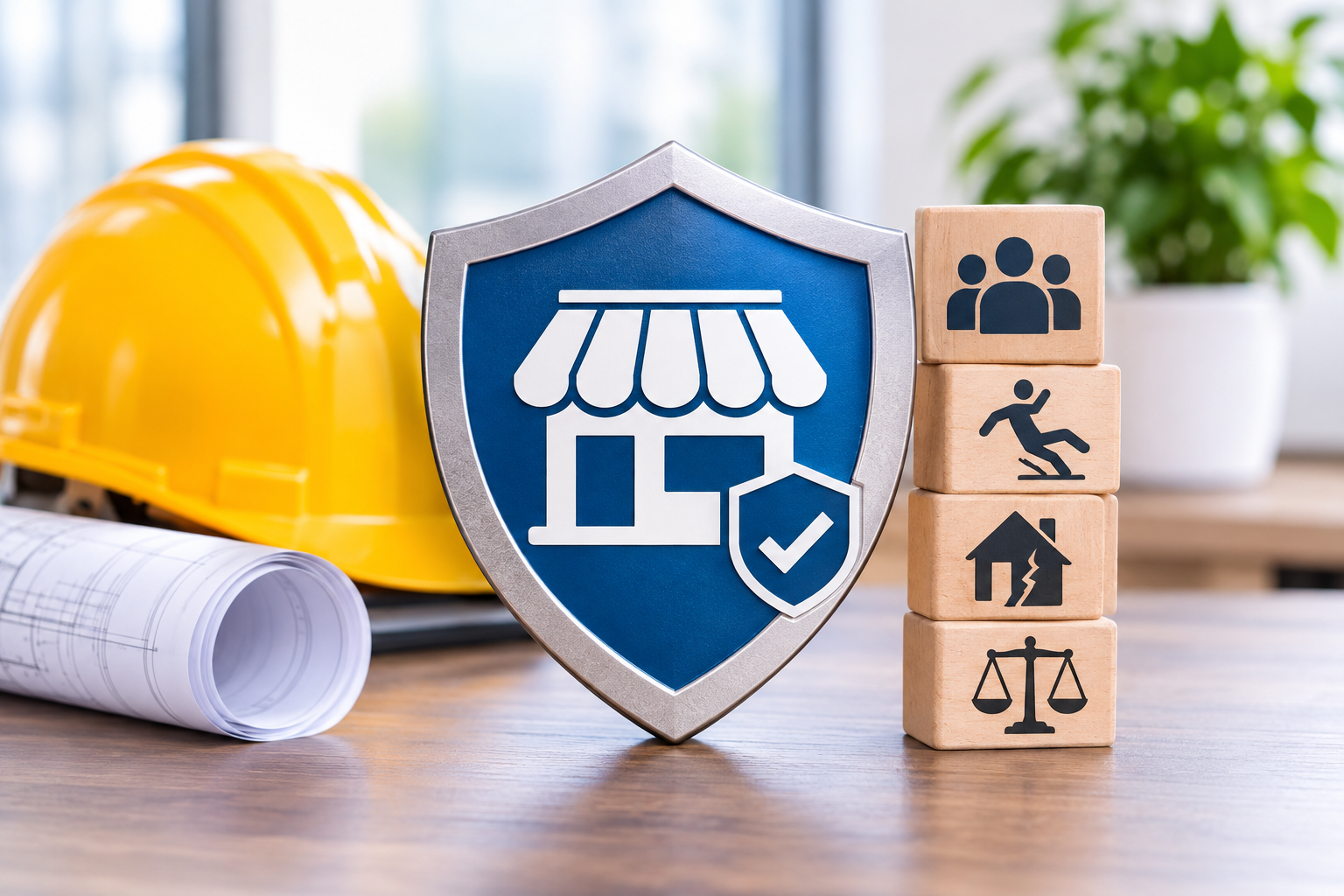
General liability insurance helps businesses manage these risks by providing financial protection against certain third-party claims. It is designed to cover common situations involving bodily injury, property damage, and personal or advertising injury, subject to the policy’s terms and exclusions.
For small businesses, independent professionals, and construction companies, having the right coverage can make a significant difference. It helps protect business finances, supports daily operations, and gives customers greater confidence when working with a company.
Understanding how this coverage works makes it easier to choose protection that matches the business’s activities, potential risks, and financial responsibilities.
What Does General Liability Insurance Actually Cover?
General liability coverage is designed to address certain claims made by people outside the business. Although coverage varies by insurance provider and policy, several common protections are included.
Third-Party Bodily Injury
Accidents can happen at almost any business location. A visitor could trip over equipment, slip on an entranceway, or become injured because of an unsafe condition on the property.
If the business is found legally responsible, the resulting claim could involve medical expenses, legal defense costs, and other damages. A qualifying policy can help cover these expenses according to its coverage limits and conditions.
For example, a customer visiting a small construction office might slip on an uncovered wet surface. If the customer files a claim, liability coverage may help manage the associated financial costs.
Third-Party Property Damage
Accidentally damaging someone else’s property can create costly problems for business owners.
A contractor might damage a customer’s flooring while completing an installation. A service professional could accidentally break expensive equipment at a client’s workplace. These situations may result in repair costs, replacement expenses, or legal claims.
General liability coverage can help protect against qualifying third-party property damage claims.
Personal and Advertising Injury
Business owners also face risks related to their marketing and communication activities.
Certain claims involving libel, slander, copyright infringement in advertising, or wrongful eviction may fall under personal and advertising injury coverage, depending on the policy.
This protection can be valuable for businesses that advertise through websites, social media platforms, printed materials, and other marketing channels.
Why Contractors Need Additional Liability Protection
Construction professionals regularly work in environments where accidents and property damage can happen. Jobsite conditions, heavy equipment, power tools, building materials, and multiple workers can create different types of liability exposure.
This is why contractor insurance is an important consideration for construction businesses and independent tradespeople.
General liability coverage can help contractors address third-party claims arising from their business operations. For example, a plumbing contractor might accidentally cause water damage while completing a repair. An electrician could damage a customer’s wall during an installation.
Without suitable insurance, the business may have to manage significant legal and financial expenses.
Contractors should also understand that general liability coverage does not automatically protect every aspect of a construction project. Additional policies may be necessary for specific exposures.
These may include:
-
Workers’ compensation: Helps cover eligible employee medical expenses and lost wages resulting from work-related injuries.
-
Commercial auto insurance: Provides coverage for qualifying accidents involving business-owned vehicles.
-
Builders risk insurance: Helps protect covered buildings and construction materials during qualifying construction projects.
-
Tools and equipment coverage: Helps protect eligible business tools and equipment against covered losses.
-
Professional liability insurance: Addresses certain claims involving professional mistakes, negligence, or service-related advice.
Choosing the right combination of coverage helps contractors build a stronger risk management strategy.
What Happens If a Business Does Not Have Liability Coverage?
Operating without suitable insurance can expose a business to serious financial challenges.
Even businesses with strong safety procedures cannot eliminate every possible accident. A customer injury, property damage incident, or legal dispute may occur without warning.
Here are some potential consequences of having inadequate protection.
Unexpected Legal Expenses
Defending against a liability claim can be expensive, even if the business believes it did nothing wrong. Legal consultations, court-related expenses, and settlement negotiations can place pressure on available cash.
A qualifying insurance policy may help cover covered legal defense expenses, subject to its terms.
Damage to Business Finances
A major claim can affect savings, operating funds, and the ability to pay regular business expenses. Small companies may have fewer financial resources available to handle unexpected costs.
Insurance can help reduce the financial impact of covered incidents.
Lost Business Opportunities
Some customers, commercial property owners, and project managers require proof of liability insurance before approving a contract.
Without appropriate coverage, contractors and service providers may struggle to qualify for certain projects or business agreements.
Reduced Customer Confidence
Customers want to work with businesses that take responsibility for safety and professional standards. Maintaining suitable insurance demonstrates that a company has considered potential risks and taken steps to manage them.
How Much General Liability Insurance Does a Business Need?
The right coverage amount depends on several factors. There is no single insurance limit that works for every company.
A small home-based business may have different exposure levels than a construction company managing multiple job sites and commercial contracts.
Consider the following factors when evaluating coverage:
Type of business: Construction, maintenance, retail, and professional services have different liability exposures.
Number of employees: A larger operation may involve more customer interactions, equipment, and daily activities.
Business location: Companies working at customer properties or commercial job sites may face different risks than businesses operating from a private office.
Contract requirements: Some clients and project owners require specific liability limits before allowing contractors to begin work.
Business assets: Consider the financial resources that could be affected by an unexpected claim.
Many businesses review coverage limits such as $1 million per occurrence and $2 million aggregate. However, these are common examples, not universal requirements. Actual limits should reflect the business’s risk profile and contractual obligations.
How to Choose the Right Liability Insurance Policy
Selecting insurance based only on the lowest premium can create problems later. A less expensive policy may have exclusions, restrictions, or limits that do not match the business’s actual needs.
A careful comparison can help identify more suitable coverage.
Understand Policy Exclusions
Every insurance policy has limitations. Certain professional errors, employee injuries, intentional damage, contractual liabilities, and other situations may not be covered under a standard general liability policy.
Reviewing exclusions helps prevent misunderstandings during the claims process.
Check Coverage Limits
Understand the difference between per-occurrence limits and aggregate limits.
The per-occurrence limit generally represents the maximum available for a covered claim arising from one occurrence. The aggregate limit generally represents the maximum available for covered claims during the applicable policy period, subject to policy terms.
Review Additional Insured Requirements
Construction contracts sometimes require contractors to add property owners, general contractors, or other parties as additional insureds.
An insurance provider can explain whether the policy allows this arrangement and what endorsements may be required.
Compare Insurance Providers
Look beyond the premium when comparing policies. Review coverage options, financial strength, customer support, claims handling, and the insurer’s experience with the relevant industry.
A suitable policy should provide protection that matches business operations rather than simply offering the lowest price.
Why Colorado Businesses Should Review Their Insurance Needs
Colorado businesses operate across different industries, from residential construction and commercial development to landscaping, maintenance, and professional services.
Each industry has its own potential liability exposures.
For example, a roofing contractor may face risks associated with falling materials or accidental property damage. A remodeling company may work inside occupied homes, where protecting customer belongings and surrounding structures is important.
Small business owners may also face claims involving visitors, advertising activities, and everyday operations.
Reviewing insurance coverage regularly helps Colorado business owners identify gaps as their companies grow. New employees, larger projects, additional equipment, and expanded services can change the amount and type of protection required.
Business owners should also review their insurance after signing new contracts or entering unfamiliar projects. Requirements that were suitable for a small operation may not provide enough protection for a larger business.
Practical Ways to Reduce Liability Risks
Insurance is an important part of business protection, but preventing accidents is equally valuable. Strong safety procedures can reduce the likelihood of claims and help maintain a professional working environment.
Consider these practical steps:
-
Keep business premises clean, organized, and free from unnecessary hazards.
-
Inspect tools, machinery, and equipment regularly.
-
Provide appropriate safety training to employees.
-
Use written contracts that clearly explain project responsibilities.
-
Document completed work and important customer communications.
-
Address customer complaints promptly and professionally.
-
Maintain accurate records of incidents and corrective actions.
-
Review safety procedures whenever business operations change.
These practices can help reduce avoidable problems while supporting a safer experience for employees, customers, and contractors.
Final Thoughts
Unexpected accidents, property damage, and legal disputes can create serious financial challenges for businesses of every size. Having suitable liability protection helps business owners prepare for these situations without putting all their financial resources at risk.
General liability coverage is particularly important for contractors, construction companies, and service professionals who regularly interact with customers or work on other people’s properties.
The best approach is to evaluate business activities, understand potential exposures, compare policy limits, and identify any additional coverage requirements. With a well-planned insurance strategy and consistent safety practices, businesses can protect their operations, strengthen customer confidence, and prepare for long-term growth.