




The air inside your home or workplace may not be as clean as it seems. Dust, mold spores, pet dander, chemical fumes, and other airborne pollutants can build up without obvious signs. These problems may affect comfort and contribute to irritation, especially when ventilation is poor. Searching for indoor air quality testing near me can help property owners find out what is circulating through their indoor spaces. Professional testing can identify certain air quality concerns and help determine whether ventilation improvements, HVAC maintenance, or other steps are needed.
Hidden Pollutants That Can Affect Indoor Air
Indoor air pollution is not always easy to see or smell. Small particles and gases can enter buildings through outdoor air, household products, building materials, and everyday activities.
Dust, Pollen, and Pet Dander
Dust can collect in carpets, furniture, vents, and air ducts. Pollen may enter through open windows and doors, while pet dander can remain airborne or settle on indoor surfaces. These particles may affect people who are sensitive to common allergens.
Mold Spores and Excess Moisture
Moisture from plumbing leaks, roof leaks, condensation, or poor ventilation can encourage mold growth. Mold may develop behind walls, under flooring, or around air conditioning equipment.
An indoor air quality testing near me search can help homeowners find professionals who assess indoor environmental concerns. Testing methods vary depending on the suspected pollutant, so the right assessment should begin with the property’s condition and reported concerns.
Poor Ventilation and HVAC System Problems
Your heating and cooling system plays an important role in indoor air circulation. When ventilation is limited or HVAC equipment is not maintained, airborne particles and unwanted odors may remain inside for longer periods.
Blocked Filters and Dirty Components
Air filters collect dust and other particles as air moves through the system. When filters become clogged, airflow may decrease and equipment may work harder. Dirty coils and neglected components can also affect system performance.
Insufficient Fresh Air Circulation
Buildings that remain closed for long periods may experience limited fresh air exchange. This can allow odors, moisture, and indoor pollutants to build up.
A professional indoor air quality testing near me service may include an assessment of ventilation conditions, humidity, and other indoor air concerns. Property owners should also ask whether their HVAC system needs filter replacement, cleaning, or maintenance to support better airflow.
Warning Signs of Unhealthy Indoor Air
Indoor air problems can develop gradually. Property owners may notice changes in the building before identifying the actual source.
Persistent Odors and Visible Moisture
Musty smells may indicate moisture problems or possible mold growth. Chemical odors may come from cleaning products, paints, furniture, or building materials. Persistent odors deserve attention, especially when they return after cleaning.
Dust Buildup and Condensation
Frequent dust accumulation around vents, windows, and furniture may suggest filtration or housekeeping concerns. Condensation on windows and damp areas may point to excessive indoor humidity.
Discomfort Inside the Building
Some people may experience irritation, coughing, sneezing, or headaches while spending time indoors. These symptoms can have many possible causes and do not automatically prove that indoor air quality is poor.
If concerns continue, indoor air quality testing near me can help identify whether certain pollutants or environmental conditions may be contributing to the problem. Anyone experiencing ongoing health symptoms should also speak with a healthcare professional.
Why Professional Indoor Air Quality Testing Matters
Guessing about indoor air problems can lead to unnecessary expenses. Professional testing provides a more informed way to investigate specific concerns and understand what may be affecting a property.
Identify Specific Indoor Air Concerns
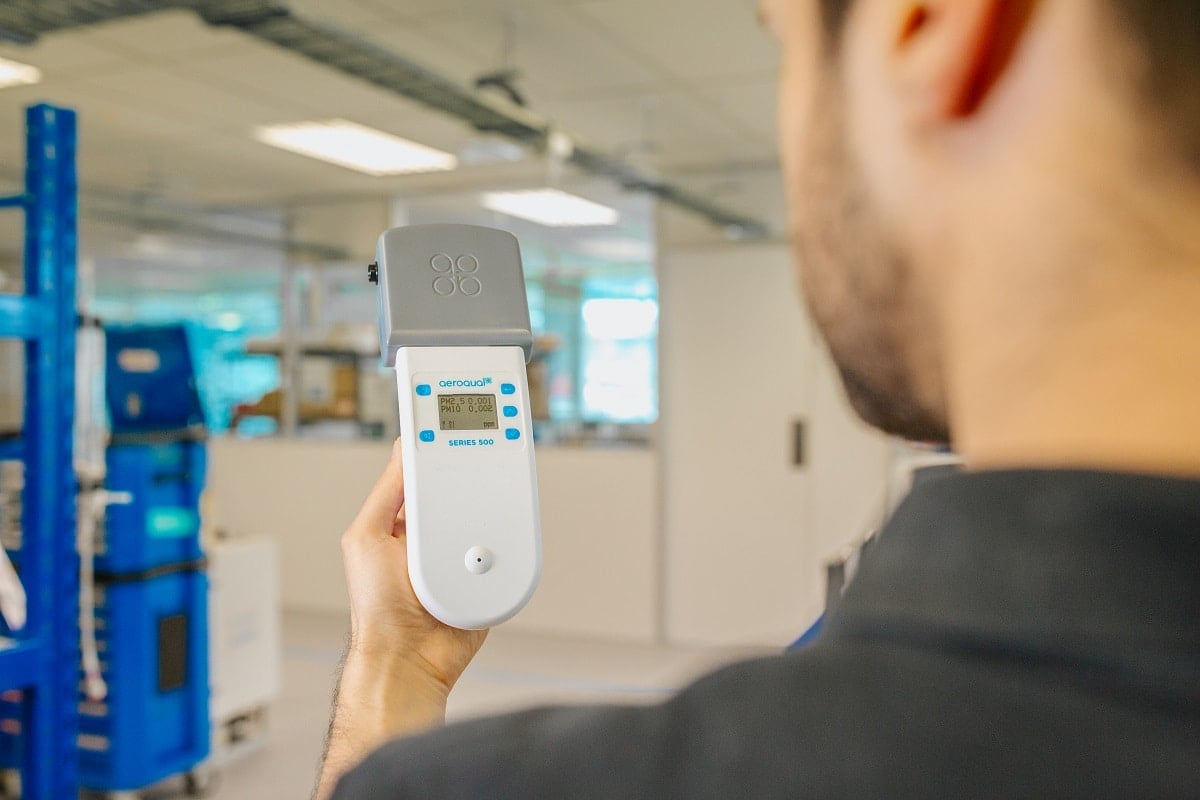
Depending on the situation, an assessment may examine:
- Particulate matter in indoor air
- Relative humidity levels
- Carbon monoxide concerns
- Mold related moisture conditions
- Volatile organic compounds
- Ventilation and airflow performance
Not every property requires every test. The appropriate method depends on the building, its history, and the concerns reported by occupants.
Understand the Results
A professional should explain what was measured, what the findings mean, and whether additional investigation is needed. An indoor air quality testing near me appointment can be particularly useful when occupants report recurring odors, unexplained moisture, or concerns about ventilation.
Testing does not guarantee that every possible pollutant will be detected. Clear information about testing methods and limitations helps property owners make practical decisions.
Practical Ways to Improve Indoor Air Quality
Once potential problems have been identified, property owners can take steps to improve indoor conditions. The best approach depends on the source of the problem.
Maintain Your HVAC Equipment
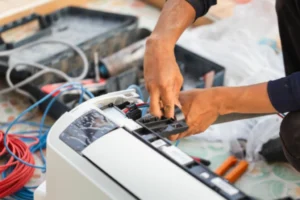
Replace air filters according to manufacturer recommendations. Keep supply and return vents clear, and schedule routine HVAC inspections. Professional maintenance can help identify airflow restrictions and equipment concerns.
Control Moisture and Improve Ventilation
Use exhaust fans in kitchens and bathrooms, address plumbing leaks promptly, and keep indoor humidity at a suitable level. A dehumidifier may help in areas with persistent moisture concerns.
Choose Household Products Carefully
Cleaning products, paints, air fresheners, and some furniture materials can release chemicals into indoor air. Use products according to their instructions and provide suitable ventilation during use.
For property owners in Fort Worth, Arlington, Keller, North Richland Hills, and nearby communities, Texas Air Mechanics is worth considering when exploring HVAC and ventilation services. Discuss your property’s airflow concerns, equipment condition, and available service options to determine the next practical step.
Frequently Asked Questions
- What Is Indoor Air Quality Testing?
Indoor air quality testing involves checking indoor environmental conditions for certain pollutants, particles, gases, or moisture concerns. The testing method depends on the property’s specific needs.
- How Do I Know If My Home Has Poor Indoor Air Quality?
Persistent odors, excessive dust, visible moisture, condensation, and ventilation problems may indicate indoor air concerns. Professional assessment can help investigate possible causes.
- How Often Should Indoor Air Quality Be Tested?
There is no single testing schedule for every property. Testing may be appropriate after water damage, renovation work, persistent odor problems, or reports of ongoing indoor air concerns.
- Can My HVAC System Affect Indoor Air Quality?
Yes. Poor filtration, restricted airflow, inadequate ventilation, and neglected equipment can affect indoor air conditions. Regular HVAC maintenance can help address these concerns.
- Does Indoor Air Quality Testing Detect Mold?
Certain testing methods can check for airborne mold spores or investigate suspected mold concerns. However, visual inspection and moisture assessment are also important when evaluating possible mold growth.
Take the Next Step Toward Cleaner Indoor Air
Hidden air quality problems can affect comfort in homes and workplaces without obvious warning signs. Dust, mold concerns, poor ventilation, and indoor pollutants deserve attention when they persist. Professional indoor air quality testing near me can help property owners better understand indoor conditions and identify possible improvements. Do not ignore ongoing air quality concerns. Contact Texas Air Mechanics today to discuss your HVAC and ventilation needs and schedule professional service.