






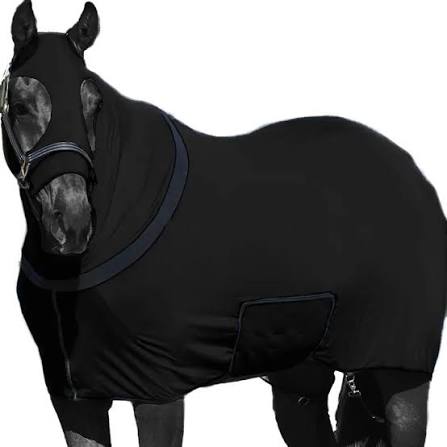
Choosing the right cover size helps keep a horse comfortable during daily use. A poor fit can cause rubbing around the shoulders, chest, and withers or allow the cover to move out of place. Accurate measurements reduce repeated adjustments after purchase. A well-fitted cover also stays in place during normal movement, helping maintain proper protection.
Take the right measurements
Start with the horse standing squarely on a level surface. Use a soft measuring tape.
- Measure from the center of the chest, across the shoulder, and along the side to the point where the cover should end.
- Record the body length in inches or centimeters, based on the seller’s sizing guide.
- Check whether the brand also requires chest or belly measurements.
- Take each measurement twice to reduce errors.
Accurate measurements make size comparisons easier.
Choose the correct cover size
Compare your measurements with the manufacturer’s size chart before selecting a horse body cover. Don’t choose a size based only on breed, height, or weight. Horses with similar heights can have different body shapes and back lengths.
Check the chart because sizing varies between brands and cover styles. If your horse falls between sizes, consider the design. A cover that is too small can restrict movement, while one that is too large may shift.
Check the fit before regular use
Put the horse body cover on the horse and let it settle naturally. Check that the front sits comfortably across the chest and does not pull when the horse moves.
- Check the shoulder and wither areas for pressure points or tight sections.
- Make sure the cover sits evenly along the back without pressing into the spine.
- Check belly and leg straps, if included, to ensure they stay secure without sitting too tightly.
- Walk the horse and watch for bunching, twisting, gaps, or shifting.
These checks show whether you need to adjust it.
Prevent rubbing and slipping
Rubbing often happens when a cover sits too tightly around the shoulders or moves against the coat. Slipping can occur when the cover is too loose or when straps are not adjusted correctly.
After the first use, check the shoulders, chest, withers, and belly for friction. Make small adjustments and observe the horse again. If problems continue, another size may be more suitable.
Recheck fit as your horse changes
A horse’s size and shape can change with weight gain, weight loss, seasonal coat changes, growth, or exercise. Recheck measurements before replacing a cover.
Regular checks help catch problems early. The cover should remain secure while allowing normal movement.
Conclusion
Correct measurement is the first step to a comfortable, secure fit. Compare current measurements with the manufacturer’s size chart, check the cover during movement, and adjust the straps carefully. Regular checks can help prevent rubbing, slipping, and poor coverage as your horse’s shape changes. Taking a few minutes to confirm the fit helps the cover perform as intended and keeps your horse comfortable during everyday use.