






Computer science classrooms look very different from a decade ago. Artificial intelligence and machine learning have moved from advanced electives into everyday learning, changing what students study and how they practice. For young people planning a tech career, understanding this shift helps them choose wisely. This guide offers a general overview for students and parents.
Why Computer Science Is Changing So Fast
Technology now shapes banking, healthcare, farming, and entertainment, so the skills employers want keep evolving. Programming basics still matter, but data, automation, and intelligent systems now sit beside them. Universities are updating lessons more often to keep pace, and students who learn how to learn tend to adapt best as tools and trends change.
What Modern Programs Offer
Students today expect more than lectures and slides. Forward-looking computer science colleges in Gujarat blend strong programming fundamentals with practical AI exposure, modern labs, and mentors who encourage curiosity, so graduates feel confident stepping into a fast-changing industry. A well-designed program keeps theory and practice in balance, helping learners understand why tools work, not just how to use them.
From Theory to Intelligent Systems
Intelligent software now recognizes images, translates languages, and predicts trends, and students want to understand how. Carefully structured machine learning courses start with mathematics and data basics, then move toward models, training, and testing, so learners see how an idea becomes a working system. Ask how topics are sequenced and how current the examples are.
Learning by Building
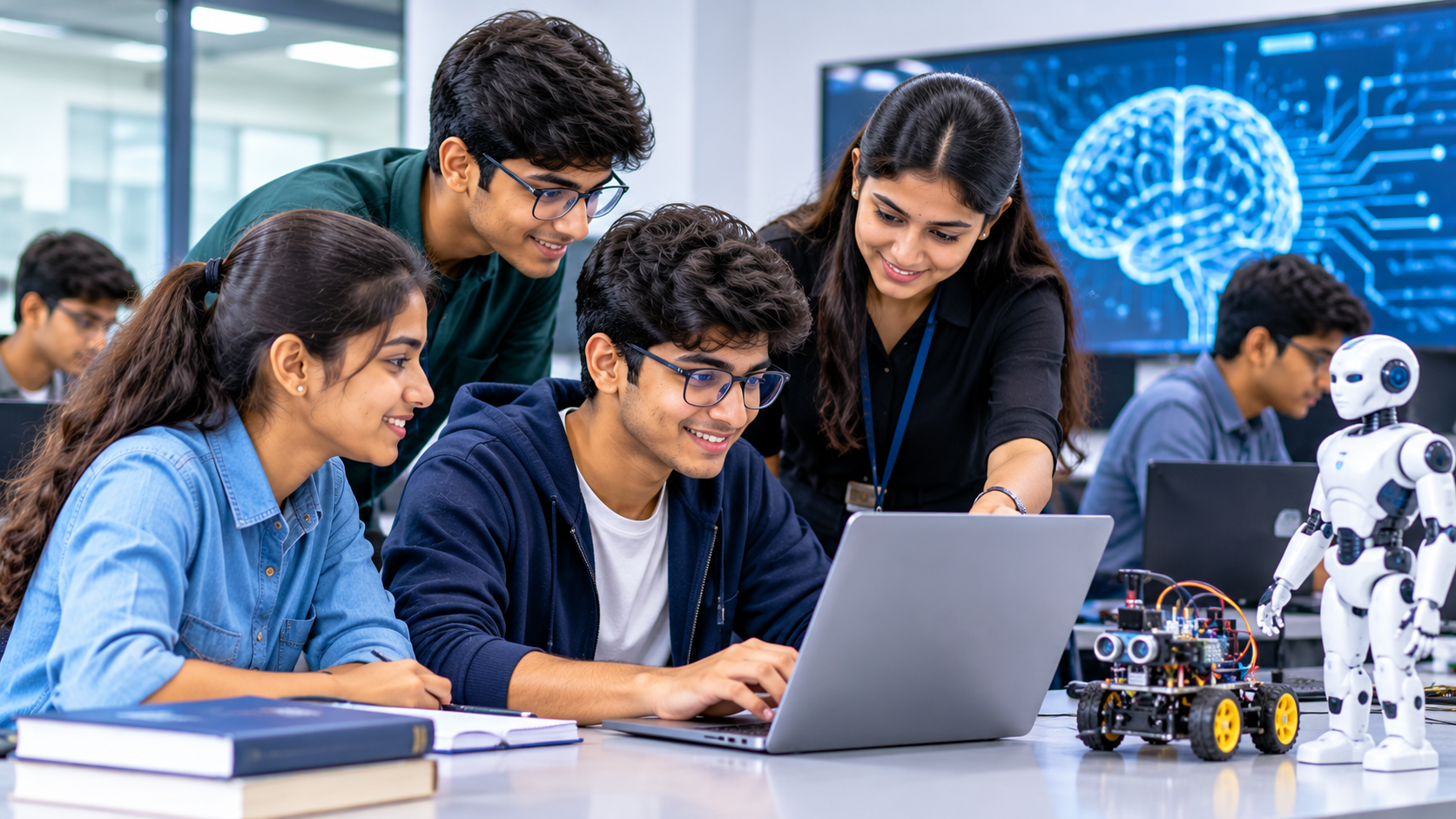
Students remember what they create. Regular hands-on project work lets them build chatbots, recommendation engines, and simple vision tools, turning abstract lessons into real experience. Mistakes become part of the process, and teamwork teaches communication along the way. Ask how many projects are completed each year and how faculty review them with students.
Smarter Tools in the Classroom
AI is changing how teaching works too. Coding assistants, automated feedback, and adaptive practice help students find errors faster and study at their own pace. These tools work best when teachers guide their use, so students learn to question outputs instead of copying them blindly. Ask how a program balances modern tools with honest, independent effort.
Data Skills for Every Graduate
Almost every field now relies on data, so analysis, visualization, and clear reasoning matter for all computer science students. Learning to clean messy information, ask good questions, and explain findings helps graduates contribute in many roles. A strong program teaches both technical methods and clear communication, since insights are only useful when other people can understand them.
New Specializations Emerging
Beyond general degrees, many programs now offer focused paths in areas such as data science, cyber security, cloud systems, and robotics. These options let students follow their interests while building deeper expertise. Choosing early is not essential, and a good curriculum leaves room to explore first. Ask how specializations are introduced and whether students can adjust their direction later.
Ethics and Responsible Technology
Powerful tools bring serious questions about privacy, bias, and fairness. Thoughtful programs include discussions on responsible design, so students learn that technology affects real people. Case studies, debates, and honest reflection build judgment alongside technical skill. Ask how ethics is woven into coursework, because tomorrow’s developers will make decisions that shape many lives.
Real-World Experience
Classroom learning becomes stronger when it meets industry. Well-planned internship opportunities let students see how teams work, how deadlines feel, and how their skills apply in real settings. Ask how the university helps students find placements, and what mentoring is available. Outcomes vary from one student to another, so steady effort matters most.
Skills Beyond Code
Employers value teamwork, clear writing, and the ability to learn quickly as much as technical knowledge. Group assignments, presentations, and peer reviews build these habits gradually. Curiosity and persistence often matter more than any single programming language, since languages and tools change. Look for programs that treat communication and problem-solving as core parts of the learning journey.
Selecting a University With Vision
Comparing options takes time, and every student has different goals. A forward-thinking private university in Gujarat stands out through dedicated faculty, modern learning spaces, and a culture that encourages innovation, with open guidance that helps students make confident choices about their future. Visit the campus, speak with current students, and trust what you see before deciding.
What to Check Before Applying
Review the syllabus, specializations, lab access, and faculty profiles, and list your questions before meeting the admissions team. Eligibility rules, entrance exam requirements, and deadlines change from year to year, so confirm them directly with the university. Talk through your goals with family, since the right course should match your interests, strengths, and long-term plans.
Final Thoughts
AI is reshaping how computer science is taught, and students who stay curious will benefit most. With careful research, realistic expectations, and open conversations at home, young learners can choose a path that fits their strengths. No program can promise a particular career outcome. This article offers general information only, so please confirm courses, fees, and admission details directly with the university.