




Why Are More Homeowners Reviewing Their Heating Systems?
Heating accounts for a significant part of household energy use, making the performance of a home’s heating system an important consideration. Older boilers may require more maintenance, provide inconsistent heating or operate less efficiently than newer alternatives.
For homeowners planning improvements, understanding available support can help with budgeting and choosing suitable heating technology. The boiler upgrade scheme is one option worth exploring for eligible properties in England and Wales.
Rather than replacing equipment without a plan, homeowners should consider their property’s insulation, existing heating system, energy requirements and long-term improvement goals.
What Makes a Heating Upgrade Worth Considering?
A heating upgrade can involve more than installing new equipment. It may also include improvements to the property’s overall energy performance.
Homeowners should consider the following factors:
-
Heating efficiency: Assess whether the current system meets household heating requirements.
-
Running costs: Compare estimated operating costs for suitable replacement systems.
-
Property insulation: Reduce heat loss before selecting new heating equipment.
-
System compatibility: Check whether the property can accommodate an alternative heating technology.
-
Long-term maintenance: Understand the servicing requirements of the proposed system.
These considerations can help homeowners make informed decisions before applying for a boiler upgrade grant or arranging an installation.
How Does the Boiler Upgrade Scheme Support Homeowners?
The boiler upgrade scheme is a UK government initiative designed to support the installation of eligible low-carbon heating systems in England and Wales.
It primarily supports technologies such as air source heat pumps, ground source heat pumps and eligible biomass boilers. It is not a general grant for replacing an old gas boiler with another gas boiler.
The scheme can help reduce the upfront cost of an eligible installation, although the available funding depends on the technology and the applicable scheme requirements.
Homeowners should review:
-
Whether their property meets the eligibility criteria
-
Which heating technologies qualify
-
Whether the installer is appropriately certified
-
The grant amount available for their installation
-
Any additional installation costs not covered by the grant
Which Heating Systems May Qualify for Funding?
The type of heating system selected affects the support available under the boiler upgrade scheme.
Air Source Heat Pumps
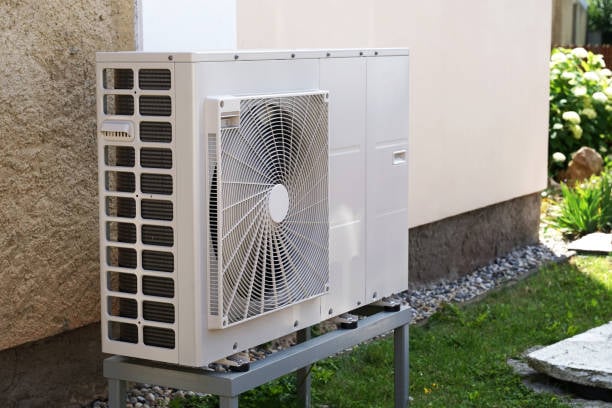
Air source heat pumps extract heat from the outside air and transfer it into a property’s heating system. They can be suitable for many homes, depending on insulation, system design and installation requirements.
Ground Source Heat Pumps
Ground source heat pumps extract heat from the ground. Their installation may require sufficient outdoor space and additional groundwork, depending on the property.
Biomass Boilers
Eligible biomass boilers use organic materials as fuel. Their suitability depends on scheme rules, property requirements and the specific installation.
Homeowners should compare these options based on installation requirements, expected performance, available space and ongoing maintenance.
What Should Homeowners Know About Grant Eligibility?
Eligibility requirements are important because not every property or heating installation qualifies for financial support.
Before proceeding, homeowners should confirm the current requirements with an approved installer.
Common considerations include:
-
Property location and eligibility
-
Existing heating arrangements
-
The proposed replacement technology
-
Installer certification
-
Applicable technical requirements
-
Whether the installation meets the scheme’s conditions
A boiler upgrade grant should not be assumed to cover the entire project cost. Homeowners may need to contribute towards equipment, installation or additional property improvements.
How Can Homeowners Prepare Before Applying?
Preparing the property and gathering relevant information can make the process easier.
A practical approach includes the following steps:
-
Review the existing system: Identify the current boiler type, age and heating performance.
-
Assess energy efficiency: Consider insulation, draughts and heat loss throughout the property.
-
Compare heating options: Explore suitable heat pumps or other eligible technologies.
-
Contact an approved installer: Discuss property suitability and installation requirements.
-
Confirm funding eligibility: Check the current boiler upgrade scheme rules and available grant amount.
-
Review the quotation: Understand what the grant covers and which costs remain payable.
-
Agree on installation arrangements: Confirm the project timeline, equipment specifications and any required preparation.
Following these steps can help homeowners avoid making decisions based on assumptions about funding or equipment suitability.
Can Insulation Improve the Results of a Heating Upgrade?
A heating system performs best when it is appropriately designed for the property. Poor insulation and excessive heat loss can increase heating demand, regardless of the equipment installed.
Before committing to an upgrade, homeowners should consider:
-
Loft insulation
-
Cavity wall or suitable solid wall insulation
-
Draught-proofing around doors and windows
-
Heating controls and thermostats
-
Radiator performance and system design
These improvements may help reduce heat loss and support better heating performance. The appropriate measures depend on the building’s construction and existing condition.
What Costs Should Be Considered Beyond the Grant?
Although the boiler upgrade scheme can reduce eligible upfront costs, homeowners should assess the overall installation budget.
Potential expenses include:
-
Equipment and installation costs not covered by funding
-
Electrical upgrades where required
-
Changes to radiators or pipework
-
Additional insulation or property improvements
-
Ongoing maintenance and servicing
Comparing complete quotations rather than focusing only on the headline grant amount gives homeowners a clearer understanding of the investment.
How Can Homeowners Make a More Informed Decision?
A heating upgrade should match the property’s requirements, the household’s budget and its long-term energy goals.
The boiler upgrade scheme can provide valuable support for eligible low-carbon heating installations, while a boiler upgrade grant can reduce some of the initial financial burden. However, homeowners should confirm current funding rules, eligibility conditions and installation costs before making a commitment.
By assessing the property, comparing suitable technologies and working with an approved installer, homeowners can make a more informed decision about improving their heating system.