






Choosing the right fence can make a significant difference to your property’s appearance, privacy and security. A well-designed boundary helps define your outdoor space, protects your garden from unwanted access and creates a more finished look around your home. However, with timber, composite and concrete fencing all offering different benefits, deciding which material is best can take some consideration.
Each option has its own strengths in terms of appearance, maintenance, durability and installation costs. Timber provides a traditional, natural finish, composite offers a modern alternative with relatively low maintenance requirements, and concrete is known for its strength and solid construction.
The right choice depends on your budget, the style of your property, the level of privacy you need and how much maintenance you are prepared to undertake. This guide compares the three materials to help you make a practical decision.
1. Timber Fencing: A Traditional and Natural Choice
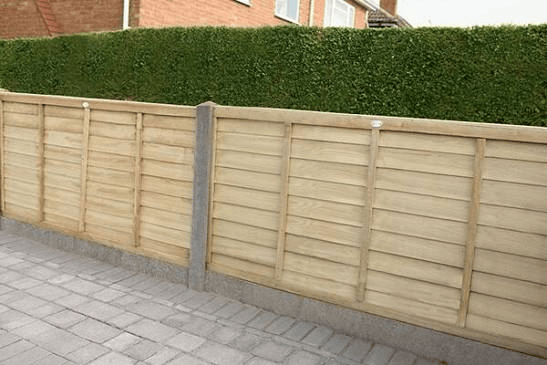
Timber fencing remains popular because it suits a wide variety of properties and garden styles. Its natural appearance works well with traditional homes, cottage gardens and outdoor spaces where homeowners want a warm, familiar finish.
One of the main advantages of timber is its versatility. It is available in different panel styles, heights and finishes, allowing you to choose between decorative boundaries, close-board panels and more open designs. Timber can also be stained or painted to complement garden furniture, sheds and other outdoor features.
However, timber requires regular care to remain in good condition. Exposure to rain, sunlight and changing temperatures can cause discolouration, warping or deterioration over time. Depending on the treatment and local conditions, periodic cleaning, staining or painting may be necessary.
Timber is worth considering if you prefer a natural appearance and are happy to carry out occasional maintenance. It can be an attractive and practical solution when properly installed and looked after.
2. Composite Fencing: Modern Style With Less Maintenance
Composite fencing is made from a combination of materials, commonly wood fibres and plastic. It is designed to offer a contemporary appearance while reducing some of the routine maintenance associated with traditional timber.
These fences are available in a range of colours and finishes, including options that resemble wood. Their consistent appearance can work particularly well in modern gardens, landscaped outdoor spaces and properties with clean architectural lines.
A major advantage is that composite fencing generally does not need regular painting or staining. Routine cleaning is usually sufficient to remove dirt and maintain its appearance, although the manufacturer’s care instructions should always be followed.
Composite fencing often has a higher initial purchase price than basic timber panels. Its performance also depends on the quality of the product, the supporting posts and the installation method. Not every composite system has the same resistance to weather or impact, so checking product specifications is important.
This option may suit homeowners who want a neat, modern boundary and would prefer to spend less time on ongoing maintenance.
3. Concrete Fencing: Strength and Privacy
Concrete fencing is often chosen for its solid construction, privacy and durability. It can be particularly suitable for boundaries where a robust barrier is needed or where homeowners want to minimise visibility between neighbouring properties.
Precast concrete posts and panels are commonly used to create a strong boundary. Depending on the system, panels may be available in different textures and finishes, allowing the fence to look more decorative than a plain concrete barrier.
Concrete fencing can withstand many common outdoor conditions and does not require painting or staining in the same way as timber. However, the posts and panels still need to be installed correctly, with suitable foundations and alignment.
The weight of concrete components can make installation more demanding. Access to the garden, ground conditions and the length of the boundary may affect labour requirements and overall costs.
Concrete is worth considering if privacy, a substantial boundary and limited routine maintenance are high priorities. It may be less suitable if you prefer a lightweight fence or a softer, natural garden appearance.
4. Comparing the Initial Cost and Long-Term Value
The cost of fencing depends on more than the material alone. The length and height of the boundary, ground conditions, access, post requirements and installation complexity can all influence the final price.
Timber is often an affordable starting point, particularly for straightforward garden boundaries. However, the long-term cost may increase if the fence requires regular treatments or individual panels need replacing.
Composite fencing can involve a greater initial investment, but reduced painting and staining requirements may appeal to homeowners who prefer simpler upkeep. Its overall value depends on product quality, expected service life and the cost of replacement components.
Concrete fencing can also involve higher installation costs because of the weight of the materials and the work needed to position the posts and panels securely. In return, it offers a substantial boundary that may require relatively little routine attention.
When comparing quotations, ask contractors to explain the materials, posts, foundations, removal of any existing fence and waste disposal included in the price. A detailed quotation makes it easier to compare options fairly.
5. Which Fence Provides the Best Privacy?
Privacy is an important consideration when choosing a garden fence, particularly for homes with overlooked patios, nearby footpaths or closely spaced neighbouring properties.
Close-board timber panels can provide effective screening, while composite systems are available in designs that create a solid boundary. Concrete panels can also offer substantial privacy because they form a largely continuous barrier.
The actual level of privacy depends on the fence height, panel design, gaps between sections and the layout of your garden. Think about where people sit, where windows overlook the outdoor space and which areas need the most screening.
Before installing a taller fence, check the planning rules and restrictions that apply to your property. Requirements can vary depending on the location of the fence, its height and whether it is next to a road.
A suitable design should provide the privacy you need without making the garden feel unnecessarily enclosed.
6. Maintenance Requirements Compared
Maintenance is one of the clearest differences between the three fencing materials.
Timber usually requires the most regular attention. Cleaning and applying suitable protective treatments can help reduce the effects of moisture and sunlight. Damaged boards should be repaired or replaced before the problem spreads.
Composite fencing generally needs less upkeep. Washing away dirt and checking the fixings and posts can help keep it in good condition. Follow the manufacturer’s guidance, particularly when selecting cleaning products.
Concrete fencing is usually straightforward to maintain, although it should still be inspected for movement, damaged panels or problems around the posts. Any instability should be investigated rather than ignored.
Your preferred maintenance routine can help determine which material is most suitable. If you enjoy maintaining your garden and appreciate natural materials, timber may be appealing. If you would rather avoid frequent treatments, composite or concrete may be more practical.
7. Consider the Appearance of Your Garden
A fence should complement your property rather than look like a separate feature. Consider the colour of your home’s exterior, the style of the garden and the materials already used for paths, patios and driveways.
Timber can soften a garden’s appearance and work well alongside plants, lawns and traditional paving. Composite fencing can create a more coordinated, contemporary look, particularly when paired with simple planting and modern outdoor furniture. Concrete can provide a strong, uniform boundary and may suit practical outdoor spaces.
It is also worth considering how the fence will look from inside the house. A boundary visible from the kitchen or living room can influence the overall feel of the garden.
If you are updating several outdoor features, plan them together. For example, an Imprinted Concrete Driveway can be selected to complement the fence’s colour and style, creating a more consistent appearance between the entrance and the garden boundary.
8. Installation and Ground Conditions Matter
Even high-quality fencing can perform poorly if it is installed incorrectly. Before choosing a material, consider the ground conditions, boundary length, changes in ground level and exposure to wind.
Timber and composite systems need suitable posts and secure fixings. Concrete fencing requires properly positioned posts and appropriate foundations to support the weight of the panels. Sloping ground may also affect the way panels are arranged and how the finished fence looks.
An experienced installer can assess the site and explain which system is suitable. They should also check the boundary position and discuss any access requirements before work begins.
If an old fence is already leaning or damaged, ask whether its removal and disposal are included in the quotation. Addressing groundwork and installation details at the beginning can help avoid unexpected complications.
Conclusion: Choose the Right Fence for Your Property
Timber, composite and concrete fencing can all be suitable choices, but the best option depends on your priorities. Timber offers a natural appearance, composite provides a modern finish with relatively low maintenance, and concrete delivers a strong, substantial boundary. Comparing initial costs, ongoing care, privacy and installation requirements will help you make a confident decision.
Advanced Driveway Solutions provides outdoor improvement services in Morecambe and the surrounding areas, including fencing, driveway installation, block paving, tarmac, resin surfaces, gravel driveways, imprinted concrete and patio installations. If you are planning a new boundary or updating your driveway and garden together, the team can help you explore suitable options for your property. An experienced Fencing Driveway Contractor can help coordinate these improvements so the finished outdoor space looks attractive and works for your needs. Contact Advanced Driveway Solutions to discuss your project.
Advanced Driveway Solutions
10 Altham Rd, Morecambe LA4 4UG, United Kingdom
+44 7944 680279