






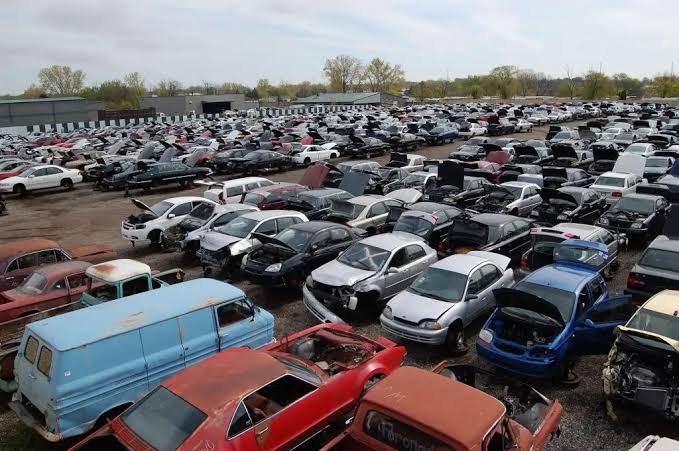
Every car has a useful life, but there comes a time when keeping an old vehicle is no longer practical. It may have stopped running, developed expensive mechanical problems, suffered accident damage or simply become too old to meet your needs. When this happens, many Australian car owners face the same question: What should I do with a vehicle I no longer want? Leaving an unwanted car in your driveway, garage or backyard might seem like an easy solution. However, an unused vehicle can take up valuable space, collect dust and slowly release harmful substances if its parts and fluids are not handled properly. Simply abandoning it is not a responsible choice either. Old vehicles contain materials that can affect the environment when they are not managed correctly.
Fortunately, vehicle recycling offers a practical way to deal with unwanted cars. Instead of allowing an old vehicle to become waste, suitable parts and materials can be recovered, reused and processed for other purposes. This helps reduce the need for new raw materials and makes better use of the resources already available. Unwanted car removal plays an important role in this process. It connects vehicle owners with businesses that collect old, damaged and non-running cars and send them through suitable recycling channels. Depending on the vehicle’s condition, some parts may be reused, while others can be processed into materials for future manufacturing.
For Australian car owners, choosing responsible vehicle removal is about more than clearing space. It is also an opportunity to reduce waste, recover useful resources and make a more environmentally responsible decision. This article explains how unwanted car removal supports vehicle recycling, what happens after a car is collected, which materials can be recovered and how you can make sure your old vehicle is handled responsibly.
Why Old and Unwanted Cars Can Become an Environmental Problem
An unwanted vehicle may look harmless when it is parked outside your home. However, an old car contains many materials and substances that require careful handling. Vehicles are made from steel, aluminium, plastic, rubber, glass, electrical components and several different fluids. While many of these materials can be recovered, some can cause environmental problems if they are left exposed or disposed of incorrectly. Engine oil, coolant, brake fluid, transmission fluid and fuel can leak from damaged or poorly maintained vehicles. These substances may enter the soil or stormwater system, creating risks for the surrounding environment.
Old batteries also need proper handling because they contain materials that should not be released into the environment. Damaged batteries can leak, while incorrect disposal can create safety and pollution concerns. Tyres are another concern. They take up considerable space and are not suitable for ordinary landfill disposal in many circumstances. When tyres are stored carelessly outdoors, they can collect rainwater and create conditions that encourage mosquito breeding.
An unused vehicle can also become a source of general waste. Broken plastic components, damaged upholstery, wiring and other materials may deteriorate over time. The longer an unwanted car remains unattended, the greater the chance that its condition will become worse. Arranging suitable removal allows the vehicle to enter a process where useful materials can be separated and potentially recovered.
Understanding How Unwanted Car Removal Supports Vehicle Recycling
Vehicle recycling begins when an unwanted car is collected and taken to an appropriate facility. The purpose is to identify which parts can be reused, which materials can be recycled and which substances need special treatment. A professional vehicle removal service can help connect car owners with businesses that handle this work. Some removal companies operate their own recycling facilities, while others work with vehicle dismantlers, scrap metal processors or authorised treatment facilities. The process usually starts with an assessment of the vehicle. Its make, model, age, condition and remaining components can influence how it is handled. A vehicle that still has working components may be suitable for dismantling. A severely damaged car may have fewer reusable parts but still contain valuable metal and other recoverable materials.
After collection, the vehicle is generally inspected before suitable fluids, batteries and other potentially hazardous components are removed. Reusable parts may then be separated, while the remaining materials are prepared for recycling. This approach reduces the amount of vehicle waste that needs to be disposed of and helps recover resources that would otherwise be lost. For car owners, arranging responsible removal is a practical first step towards ensuring that an unwanted vehicle is handled more carefully.
What Happens to Your Car After It Is Collected?
Many people arrange vehicle removal without knowing what happens after the car leaves their property. Understanding the process can help you choose a service that takes environmental responsibilities seriously. The first stage is usually transportation to a suitable dismantling or recycling facility. If the car cannot be driven, it may be loaded onto a tow truck or another suitable recovery vehicle. Once it arrives, workers assess its condition and identify components that may have further value. They may check the engine, gearbox, alternator, starter motor, wheels, doors, mirrors and other parts.
If certain components are in working condition, they may be cleaned, tested and prepared for resale as used replacement parts. This gives other motorists an opportunity to repair their vehicles without purchasing brand-new components. The next stage involves removing materials that need special treatment. This may include fuel, engine oil, coolant, brake fluid, batteries and refrigerants from air conditioning systems. These substances should be handled according to relevant safety and environmental requirements.
After suitable components and fluids have been removed, the remaining vehicle body can be prepared for metal recovery. Depending on the facility and its equipment, the vehicle may be crushed or shredded so that different materials can be separated. The recovered materials can then enter other recycling and manufacturing processes. Not every vehicle follows exactly the same route. The process depends on its condition, the facility’s equipment and the available recycling options.
How Steel and Aluminium Recycling Reduces Waste
Steel is one of the main materials used in vehicle manufacturing. It forms a large part of the body, chassis and structural components of most cars. When an old vehicle reaches the end of its useful life, its steel can often be recovered and processed for future use. Rather than sending all this material to landfill, recycling facilities can separate metal and prepare it for metal processing businesses. Recycled steel can be used in various manufacturing applications, including construction products, machinery and new metal components.
Aluminium is another valuable vehicle material. It is commonly found in engine components, wheels, body panels and other vehicle parts. Recovering aluminium helps reduce the demand for newly extracted raw materials. Producing aluminium from recycled material generally requires much less energy than producing it from newly mined bauxite.
This can help reduce energy use and associated greenhouse gas emissions, although the actual environmental benefits depend on processing methods, transport and the quality of the recovered material. Metal recycling also reduces the need for additional mining activities. Mining provides important resources, but it can affect land, water and natural habitats. By recovering metal from unwanted vehicles, recycling facilities help keep useful materials in circulation for longer.
The Importance of Reusing Vehicle Parts
Recycling is not limited to crushing old cars and recovering their metal. Reusing suitable vehicle parts is another important way to reduce waste. Many unwanted cars contain components that are still in good working condition. An accident may damage one side of a vehicle while leaving the engine, gearbox, seats, wheels and electrical components unaffected.
A vehicle that has stopped running may also contain parts that are suitable for use in another car of the same model. Used replacement components can help motorists repair their vehicles at a lower cost. They may also reduce the need to manufacture new replacement parts. For example, a working alternator removed from an unwanted vehicle could be tested and sold to someone whose alternator has failed. A usable door mirror, headlight or window mechanism may also find a new purpose.
However, not every used component is suitable for resale. Parts must be assessed for condition, safety and compatibility. Components that are damaged or no longer reliable should not be sold as suitable replacements. Reusing parts makes better use of the materials and energy already invested in manufacturing a vehicle. It also gives older cars a second purpose, even when the original vehicle can no longer be safely driven.
The Environmental Value of Unwanted Car Removal
Arranging suitable removal for an unwanted vehicle can support several environmental benefits. One important benefit is reducing unnecessary waste. Cars contain large quantities of recoverable materials, and recycling helps prevent these resources from being discarded without further use. Another benefit is the careful management of automotive fluids and batteries. Removing these substances correctly helps reduce the risk of soil and water contamination. Vehicle recycling can also lower demand for newly produced raw materials. Recovering steel and aluminium allows manufacturers and other industries to use existing resources rather than relying entirely on newly extracted materials. Reusing parts can provide additional benefits by reducing the need to manufacture replacement components.
There can also be benefits for local communities. Removing abandoned vehicles can improve the appearance of residential areas, free up parking spaces and reduce the number of neglected cars taking up private or public space. The environmental value of recycling depends on how responsibly the process is managed. Transport, dismantling, energy use and waste treatment all have an impact. That is why choosing a removal provider that understands proper vehicle handling is important.
Why Responsible Car Owners Choose Professional Removal Services
Selling an unwanted car privately can take time and effort. You may need to advertise it, respond to enquiries, arrange inspections and negotiate with potential buyers. If the car is damaged or cannot start, finding a private buyer can be even more difficult.
Professional removal services provide another option. They may purchase vehicles in different conditions and arrange collection from your home, workplace or another agreed location. For many owners, this saves the trouble of arranging transport independently. It can also reduce the time the vehicle spends sitting unused on private property. A suitable service should explain how it assesses vehicles, what happens during collection and whether there are any additional charges.
Some providers offer cash payments, while others may use electronic bank transfers. The payment method and timing should be agreed before the vehicle is handed over. Choosing a professional service does not automatically guarantee environmentally responsible recycling. You should still ask where the vehicle will be taken and how reusable parts, fluids and scrap materials will be managed. A little research can help you find a provider whose services match your needs and environmental expectations.
How Unwanted Car Removal Makes Vehicle Recycling Easier for You
For many Australian motorists, the hardest part of recycling an old car is knowing where to start. You may not have the equipment to move the vehicle or the knowledge needed to separate its different materials. Unwanted Car Removal provides a practical starting point by helping vehicle owners arrange collection and connect unwanted cars with suitable recycling and dismantling services.
Instead of allowing an old vehicle to remain unused, you can arrange for it to be collected and assessed by a buyer or removal provider. This can be particularly useful if your vehicle has major mechanical problems, accident damage or registration issues that prevent you from driving it. The service may also save you the cost and effort of organising separate transport, depending on the provider’s collection conditions.
Before booking, ask whether the business accepts your vehicle’s condition, whether collection is available in your suburb and whether towing is included in the agreed price. You should also ask what happens after collection. A responsible provider should be able to explain whether vehicles are dismantled, whether usable parts are recovered and where remaining materials are sent for processing. The aim is to make vehicle disposal easier while helping useful resources reach the next stage of their life.
Can Damaged and Non-Running Cars Be Recycled?
Yes. A vehicle does not need to be in working condition to have recycling value. An old car with a failed engine may still contain reusable doors, seats, wheels, mirrors, electrical components and metal materials. Similarly, a vehicle damaged in an accident may have several undamaged components that can be recovered.
Cars affected by transmission problems, electrical faults, overheating or suspension damage may also be suitable for dismantling. Even severely damaged vehicles can contain recyclable materials, although the amount that can be recovered will vary. Flood-damaged vehicles require particular care. Water can affect electrical systems, upholstery, mechanical components and safety equipment. Such vehicles should be assessed before parts are considered suitable for reuse.
Written-off vehicles also have special requirements in Australia. Their status can affect whether they can be repaired, registered or used for parts. Queensland has specific rules covering written-off vehicles, so owners should check the relevant government requirements. If your car is no longer safe to drive, avoid taking it onto public roads. Arrange suitable transport and explain its condition when contacting a removal provider.
How to Choose an Environmentally Responsible Car Removal Company
Not all vehicle removal businesses follow the same practices. Before selecting a provider, take time to understand how it operates. Start by checking whether the company provides clear information about its services, collection areas and accepted vehicle types. Ask whether it works with established dismantling or recycling facilities. Find out how it handles automotive fluids, batteries, tyres and other materials that require special attention. A responsible provider should not make vague promises about recycling every part of every vehicle. Some materials are difficult to recover, and certain components may need specialist treatment. It is also worth checking customer reviews and business contact details. Look for feedback about punctuality, communication, payment and the condition of vehicles accepted.
Ask whether the quoted price is final or subject to inspection. Confirm whether towing, loading and collection are included. You should receive clear information about the payment arrangement and paperwork before agreeing to the sale. If a company cannot explain what happens to your vehicle after collection, consider asking another provider. Choosing carefully helps you avoid unexpected charges and gives you greater confidence that your unwanted vehicle will be handled appropriately.
What Should You Do Before Your Old Car Is Collected?
Preparing your vehicle before collection is simple, but a few checks can prevent problems. Remove your personal belongings from the glovebox, boot, centre console and storage compartments. Check under the seats and around the spare tyre area. Look for documents, sunglasses, garage remotes, parking permits and other items that you may have forgotten. If your car has a navigation system or connected entertainment system, remove saved addresses, paired phones and personal information where possible. Gather any available registration documents, service records and spare keys. You may also want to keep copies of recent repair invoices.
Tell the removal company if the vehicle has missing wheels, damaged steering, leaking fluids or limited access around it. These details help the collection team bring suitable equipment. If the car is stored at a mechanic’s workshop, arrange permission for the vehicle to be released. You should also check your ownership documents and make sure you are legally entitled to sell the vehicle. Do not leave valuable belongings or important paperwork inside the car on collection day.
Understanding Queensland’s Rules When Disposing of an Old Vehicle
Vehicle owners in Queensland should understand their responsibilities when selling or disposing of a car. If your vehicle is registered, you may need to lodge a notice of disposal with the Queensland Department of Transport and Main Roads. This helps record that the vehicle has been sold or transferred. Check the current requirements and complete the relevant process promptly. Do not assume that the removal company will automatically notify the department on your behalf.
If the car is unregistered, different requirements may apply. Make sure it is transported legally and that you understand any rules relating to its disposal or transfer. Written-off vehicles may also be subject to additional restrictions. A vehicle recorded as a statutory write-off cannot simply be returned to normal road use. Other written-off vehicle categories have their own assessment and registration requirements.
You should also check whether your vehicle has outstanding finance. If a lender has a registered security interest over the car, you may need to arrange payment and release of that interest before completing the sale. Keeping a written receipt and proof of payment is sensible. These records can help if questions arise after collection. For accurate information, refer to the Queensland Government transport website and the Personal Property Securities Register where appropriate.
Does Vehicle Recycling Really Reduce Pollution?
Vehicle recycling can help reduce pollution, but the benefits depend on how the process is carried out. When automotive fluids are removed and managed properly, the risk of contamination from leaking oil, fuel and coolant can be reduced. Recovering metals can also reduce the demand for mining and processing new raw materials. This matters because extracting and processing metals requires energy and can affect natural environments.
Reusing vehicle components may further reduce the resources needed to manufacture replacement parts. However, recycling is not completely free from environmental impacts. Vehicles must be transported, dismantled and processed. Metal shredding and material separation also use energy. The aim is to manage these activities responsibly and recover as much useful material as practical.
A well-managed recycling process can provide environmental benefits compared with leaving a vehicle abandoned or disposing of it without suitable treatment. It is also important to remember that prevention comes first. Maintaining a vehicle, repairing it when practical and keeping it in use for longer can reduce the need for replacement vehicles. When a car genuinely reaches the end of its useful life, responsible recycling provides a better way to manage its remaining resources.
The Role of Tyre and Battery Recycling
Tyres and batteries deserve special attention because they require different recycling methods from ordinary vehicle metal. Old tyres can be processed into materials for certain rubber products, construction applications and other uses, depending on their condition and the available recycling facilities. However, tyres should not be dumped or left in large outdoor piles. Poor storage can create fire risks and allow water to collect.
Vehicle batteries also contain valuable materials, including lead in conventional lead-acid batteries. These materials can be recovered through suitable recycling processes. Batteries should never be broken open or placed in ordinary household rubbish. They can contain hazardous substances and need appropriate handling.
Electric and hybrid vehicles have additional battery requirements. Their high-voltage battery systems can be dangerous if damaged or handled by untrained people. If your unwanted car is an electric or hybrid model, make sure the removal company knows its type before collection. Ask whether the provider has suitable arrangements for handling its battery system. Correct treatment of tyres and batteries is an important part of responsible vehicle recycling.
Why Recycling Supports a More Sustainable Automotive Industry
The automotive industry depends on large amounts of raw materials. Manufacturing vehicles requires metals, plastics, glass, rubber and many other resources. Recovering materials from unwanted cars helps keep some of these resources in circulation. For example, recycled steel can enter metal manufacturing processes, while recovered aluminium may be used in different products. Reusable mechanical components can help extend the working life of other vehicles.
This supports a system where materials are recovered rather than treated as waste immediately after their first use. It can also create opportunities for businesses involved in vehicle dismantling, parts sales, metal processing and recycling.
Local recycling activities support employment and provide useful materials to other industries. Consumers also benefit. Recycled vehicle parts may offer more affordable repair options, while responsible removal services make it easier to dispose of cars that are no longer needed. Although recycling cannot solve every environmental problem associated with vehicle manufacturing and use, it is an important part of reducing waste and using resources more carefully.
Frequently Asked Questions About Unwanted Car Removal and Recycling
Can I recycle a car that has been sitting unused for years?
Yes, in many cases. Even if your vehicle has been sitting in a garage or backyard for several years, it may contain reusable parts and recyclable materials. Its condition will determine the most suitable recycling method.
Do I receive money for an unwanted car?
Some removal companies purchase unwanted vehicles and offer cash or electronic payment. The amount depends on the vehicle’s make, model, age, condition, location and recoverable materials. Not every removal service offers payment, so confirm the arrangement before booking.
Is vehicle collection free?
Some companies offer free vehicle collection, but conditions vary. Ask whether your location is covered and whether towing is included for damaged or non-running cars. Confirm that no additional charges will be deducted from your agreed payment.
Can an accident-damaged car be recycled?
Yes. Accident-damaged cars may still contain reusable components and recyclable metals. The extent of the damage determines which parts can be recovered and whether special handling is required.
What happens to the engine after a car is removed?
The engine is inspected to determine whether it can be repaired, reused or dismantled for parts. If it cannot be reused, its metal components may be processed through suitable recycling channels.
Are old car plastics recyclable?
Some automotive plastics can be recovered and recycled, depending on their type, condition and available processing facilities. However, not every plastic component can be recycled economically or through the same process.
Can electric cars be recycled?
Yes. Electric vehicles contain recyclable metals, glass, plastics and electrical components. Their high-voltage batteries require specialist handling and suitable recycling or treatment facilities.
How long does unwanted car removal take?
The timeframe depends on the provider, your location, vehicle condition and collection availability. Some companies can arrange collection within a short period, while others may require additional assessment or paperwork.
Should I remove my registration plates?
Check the Queensland Department of Transport and Main Roads requirements for your particular vehicle and transaction. Do not assume that every vehicle must follow the same process.
Conclusion: Give Your Unwanted Car a Responsible Second Life
An old car does not have to become an environmental problem simply because it is no longer useful to you. Through responsible vehicle removal and recycling, many of its materials and components can continue serving a purpose.
Steel and aluminium can be recovered, suitable replacement parts can be reused, and automotive fluids and batteries can be sent for appropriate treatment. These steps help reduce waste, make better use of existing resources and lower the need for some new raw materials. For Brisbane and other Australian car owners, arranging suitable removal is a practical way to deal with an unwanted vehicle. It can also save time and effort, especially when the car is damaged, unregistered or unable to run.
Before choosing a provider, compare offers, check collection conditions and ask how the vehicle will be handled after pickup. Make sure payment arrangements are clear, ownership paperwork is completed and your personal belongings have been removed. A responsible decision starts with choosing a service that understands both your needs and its environmental responsibilities. When your car has reached the end of its useful life, consider giving it a second purpose through proper recycling. It is a simple step that can help keep valuable materials in use and make vehicle disposal more responsible for everyone.