





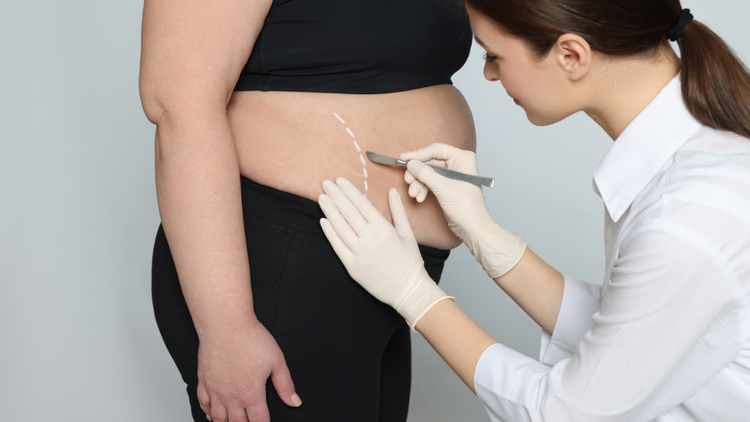
People exploring non-surgical digestion and weight-support options often ask whether botulinum toxin injected into the stomach truly slows how fast food leaves the stomach. Understanding how gastric motility works helps clarify why researchers study this approach and what changes it can make to daily digestion. Many readers researching Gastric Botox in Abu Dhabi want clear, science-grounded answers on stomach emptying, fullness cues, and meal timing without hype or confusion.
-
Gastric botulinum toxin injections are studied to temporarily slow stomach emptying by reducing muscle contractions in specific areas of the stomach wall.
-
Normal digestion relies on coordinated waves of muscle movement that grind food and pass chyme into the small intestine.
-
Exploring Gastric Botox in Abu Dhabi begins with understanding how temporary muscle relaxation alters meal timing and satiety signals.
How Normal Stomach Emptying Works
The stomach acts as both a temporary reservoir and a mechanical mixer that prepares food for nutrient absorption in the small intestine. When you eat, the upper portion of the stomach relaxes to accommodate food while the lower section contracts rhythmically to churn meals into a semi-liquid mixture called chyme. Coordinated nerve signals and hormones regulate how steadily that mixture moves past the lower outlet into the duodenum.
-
The upper stomach relaxes during intake so food can collect comfortably without sudden pressure spikes.
-
Rhythmic contractions in the lower stomach mix food with gastric juices and break solid particles into smaller pieces.
-
Controlled release through the lower outlet keeps the small intestine from being overwhelmed while maintaining steady digestion.
The Role of Botulinum Toxin in Gastric Motility
Botulinum toxin works by temporarily blocking specific nerve signals that trigger muscle contractions in targeted tissue. When injected into selected regions of the stomach wall, it dampens localized muscular activity rather than removing tissue or permanently reshaping the digestive tract. Because nerve terminals naturally regenerate over time, the effect on stomach muscle contractions is temporary and gradually fades.
-
Botulinum toxin interrupts cholinergic nerve signaling that stimulates smooth muscle contraction in the stomach wall.
-
Targeted injections leave the overall anatomy of the stomach and intestines intact without surgical incisions.
-
Gradual recovery of nerve signaling means any change in stomach movement wears off after a period of months.
Antral Contractions and Solid Food Transit
The gastric antrum—the lower portion near the exit of the stomach—plays a central role in grinding solid food and propelling it forward. Clinical studies measuring solid gastric emptying have observed that injecting botulinum toxin into the antrum can prolong the time it takes for half of a solid meal to empty. When antral contractions weaken, larger food particles take longer to break down and move onward.
-
Antral contractions propel food toward the lower outlet and grind solids into smaller fragments.
-
Slower antral pumping can increase solid meal retention time in controlled measurements.
-
Responses vary between individuals depending on injection placement, dose, and baseline digestive patterns.
Fundus and Upper Stomach Accommodation
The fundus and body of the stomach influence how comfortably the organ holds food and signals fullness during a meal. Some clinical protocols examine injecting both the upper stomach regions and the lower antrum to see how combined muscle changes affect appetite and meal satisfaction. Changes in accommodation and emptying work together rather than in isolation when someone notices shifts in hunger or portion size.
-
The upper stomach accommodates incoming food volume and contributes to early meal fullness.
-
Combining upper and lower stomach targeting has been studied in relation to satiety and meal patterns.
-
Individual fullness cues depend on both mechanical stomach volume and broader dietary habits.
What Clinical Research Shows About Emptying and Fullness
Scientific research on gastric botulinum toxin shows a nuanced picture: delaying stomach emptying on a scan does not automatically produce the same fullness or weight outcomes for every person. In randomized controlled trials, certain doses prolonged gastric emptying times yet produced mixed results on measured satiety or long-term weight change. Observational and clinical reports also note that nutrition habits strongly shape how individuals experience fullness while the treatment is active.
-
Slower emptying measured in clinical tests does not always translate into uniform changes in appetite across every study participant.
-
Differences in study design, injection sites, and participant habits contribute to varied findings in medical literature.
-
Structured eating patterns play a major role alongside any temporary change in gastric motility.
Practical Meal Habits During Temporary Motility Changes
When stomach emptying slows down or feels different after a motility-focused procedure, how you eat matters just as much as what you eat. Eating smaller meals at a unhurried pace allows digestive signals to register comfortably. Chewing thoroughly also reduces mechanical work for a stomach whose contractions are temporarily softened.
-
Smaller, balanced portions often feel more comfortable than large, heavy meals when emptying is slower.
-
Chewing food well and pausing between bites helps align physical fullness with actual intake.
-
Staying mindful of liquid calories and frequent grazing prevents unintentional overconsumption.
Balancing Protein, Fiber, and Hydration
Thoughtful meal composition supports steady energy without placing excessive load on digestion at a single sitting. Pairing lean proteins and fiber-rich foods with sensible portions promotes lasting satisfaction between meals. Sipping fluids steadily rather than gulping large volumes during meals often feels easier on the stomach.
-
Nutrient-dense meals help maintain fullness without relying on oversized portions.
-
Spacing fluids thoughtfully supports hydration while keeping meal volume comfortable.
-
Consistent daily routines make it easier to track how your body responds week by week.
Why Long-Term Habits Matter After Effects Fade
Because botulinum toxin’s muscle-relaxing effect is temporary, any temporary slowdown in stomach emptying eventually returns toward baseline. Treating the window of altered motility as an opportunity to build sustainable routines helps carry progress forward. Mindful portion awareness, regular physical activity, and balanced nutrition remain foundational over time.
-
Temporary motility shifts do not permanently replace ongoing nutrition and lifestyle habits.
-
Practicing mindful eating early helps reinforce portion awareness that lasts after effects wear off.
-
Consistent movement and balanced meals support long-term digestive and metabolic well-being.
Frequently Asked Questions
1. Does gastric Botox slow stomach emptying immediately after the procedure?
Changes in muscle activity and meal sensations do not always appear all at once; some people notice shifts over days or a week or two rather than instantaneously. Clinical measurements also show that the degree of delay can vary depending on injection placement and individual physiology.
2. How long does a reduction in stomach emptying typically last?
The effect of botulinum toxin on stomach muscle contractions is temporary and generally lasts a few months before gradually wearing off. Exact duration differs from person to person as nerve signaling naturally recovers.
3. Does slower stomach emptying guarantee feeling full for hours?
Not necessarily; while slower emptying can contribute to earlier or longer fullness for some individuals, clinical trials show that emptying delays do not produce identical fullness responses in everyone. Meal composition, portion size, and personal sensitivity also shape satiety.
4. Can food choices affect how noticeable delayed stomach emptying feels?
Yes—dense, high-fat, or very large meals naturally take longer to digest and leave the stomach more slowly than smaller, lighter meals. Choosing manageable portions and eating slowly helps keep digestion comfortable while motility is temporarily altered.