







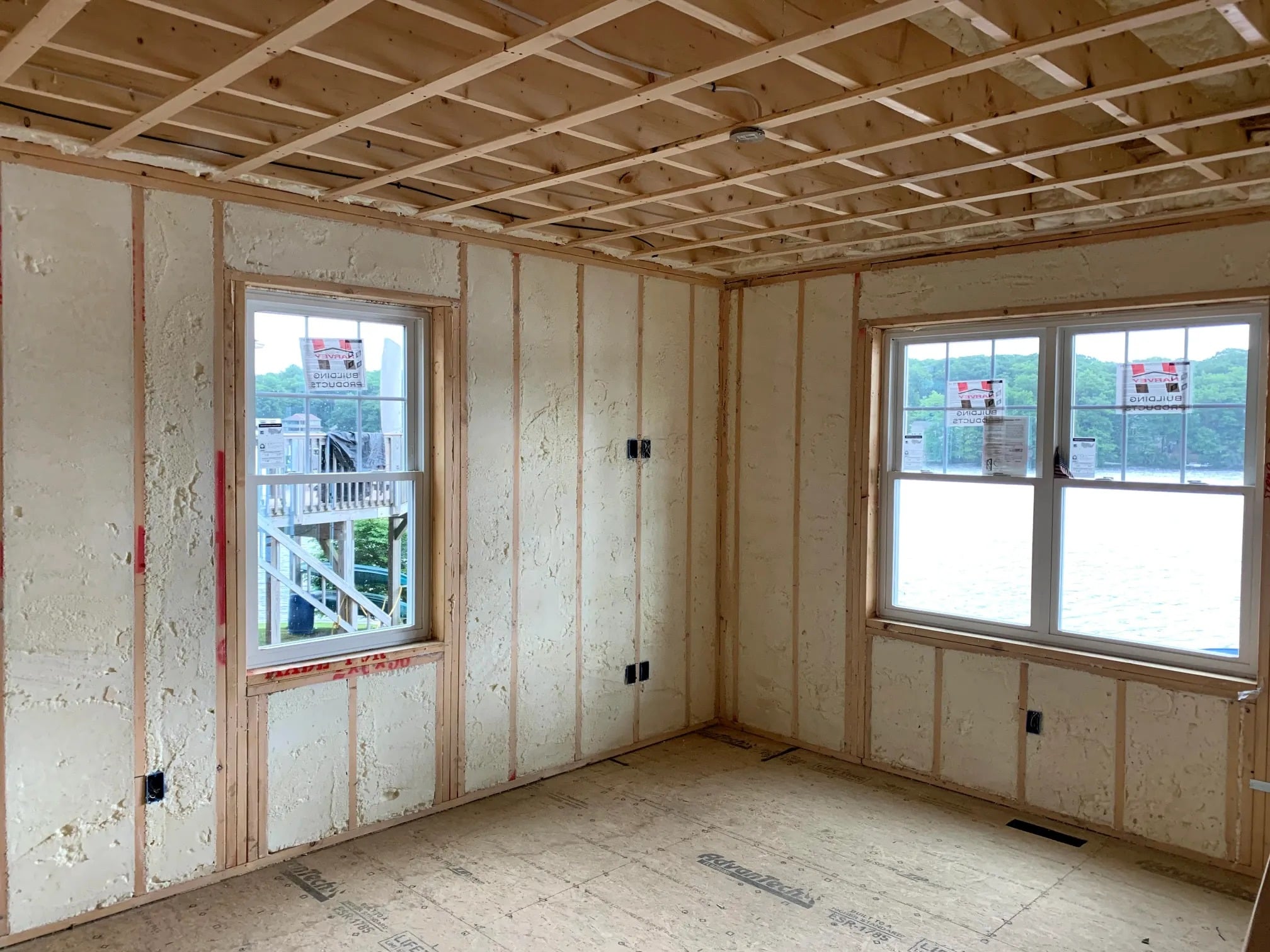
Professional spray foam installation can seal larger gaps and add insulation in the same application, while caulk, weatherstripping, and sealing tapes work better for certain smaller openings and movable joints. The best method depends on the size of the gap, its location, the building materials, and whether insulation is also needed.
For Spencer, MA, homeowners, the right approach can help reduce winter drafts and unwanted heat loss. This guide compares common air-sealing methods, explains when professional spray foam installation makes sense, and covers cost considerations, R-value, and precautions for older homes.
Why Professional Spray Foam Installation Can Be Useful
Air leaks can occur around rim joists, attic penetrations, wall openings, and gaps between building materials. These openings can let heated indoor air escape during cold weather and allow outdoor air to enter.
Professional spray foam installation may suit areas where gaps are irregular or difficult to reach. The foam expands into suitable spaces and forms an air seal when properly applied. However, it should not be used to cover water damage or replace repairs to leaks, vents, or unsafe building conditions.

Spray Foam vs. Other Air-Sealing Methods
Different sealing materials serve different purposes. Choosing the right one helps avoid unnecessary work and ensures that each gap receives a suitable treatment.
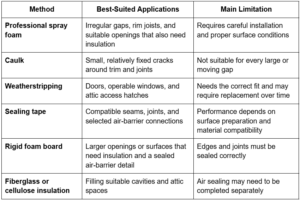
According to ENERGY STAR’s air-sealing guidance, caulk is suitable for small gaps, while expanding foam can fill certain larger openings. The correct choice depends on the specific application.
Benefits and Limitations of Spray Foam
Spray foam offers practical advantages, but it is not the best solution for every air leak. Homeowners should weigh its performance against installation requirements and future access needs.
Potential benefits include:
- Air sealing and insulation together: Properly installed foam can limit air movement while slowing heat transfer through the insulated area.
- Coverage around irregular shapes: It can fill suitable gaps around framing and building penetrations where rigid materials may be difficult to fit.
- Support for indoor comfort: Reducing unwanted airflow may help limit drafts and temperature differences between rooms.
Limitations to consider:
- Higher upfront expense: Professional installation may cost more than sealing a few small gaps with caulk or weatherstripping.
- Limited access after installation: Foam can make concealed wiring, plumbing, and other building components harder to reach.
- Moisture and safety requirements: Wet surfaces, unresolved leaks, and unsuitable application conditions must be addressed before installation.
Common Air-Leak Problems in Spencer Homes
In colder Massachusetts weather, air leakage can make rooms feel drafty even when the heating system is running. Identifying the source is more useful than sealing every visible crack with the same product.
For example, a cold floor above a basement may point to gaps around the rim joists. A draft near an exterior door may instead come from worn weatherstripping. A cold upstairs room could involve attic air leaks, insufficient insulation, or both.
ENERGY STAR’s basement air-sealing guide explains how leakage around rim joists and service penetrations can contribute to drafts. A suitable repair depends on the location and condition of each opening.
Before sealing, homeowners should address:
- Roof or plumbing leaks: Repair the source of water before installing insulation or foam.
- Damp or damaged materials: Check for signs of rot or persistent moisture and resolve the underlying cause.
- Older wiring and concealed hazards: Have potentially unsafe wiring or suspect existing materials assessed before disturbing them.
- Ventilation needs: Keep required ventilation paths and combustion-air provisions clear.
How Weather Affects Installation
Spencer’s cold winters make heat loss and drafts important concerns. However, outdoor temperature alone does not determine whether spray foam can be installed successfully.
The temperature and moisture level of the application surface, along with the product’s requirements, affect installation. The installer should follow the manufacturer’s instructions for acceptable conditions and occupant re-entry.
Spring, summer, and fall may offer convenient scheduling opportunities, but installation suitability still depends on actual site conditions. A dry, properly prepared surface matters more than choosing a season by itself.

Understanding R-Value and Air Sealing
R-value measures how well insulation resists heat flow. A higher R-value generally means greater resistance at the stated thickness, but it does not measure air leakage on its own.
Spray foam can provide insulation and air sealing, while caulk and weatherstripping primarily seal openings. A home may need both effective insulation and a continuous air barrier to improve performance.
The appropriate insulation level depends on the building assembly and applicable code requirements. Homeowners can consult the Massachusetts Building Energy Codes for official state guidance and check the requirements that apply to their project.
Professional Spray Foam Services From Lamothe Insulation
Lamothe Insulation offers several insulation options for residential properties, including open-cell and closed-cell spray foam, insulation removal, blown-in insulation, mineral wool, blown-in cellulose, and dense-pack cellulose.
The suitable option depends on the location of the leak, the condition of existing materials, and whether the area also needs insulation. For some openings, caulk or weatherstripping may be sufficient. Other areas may benefit from professional foam application or a combination of air-sealing methods.
Conclusion: Choose the Right Air-Sealing Method
Professional spray foam installation can be a strong option for irregular gaps that need both air sealing and insulation. Caulk, weatherstripping, tape, and rigid foam board can be more suitable for other applications.
The best solution starts with identifying where air is leaking and checking for moisture or safety concerns. Spencer homeowners can contact Lamothe Insulation to discuss available insulation options and determine which approach may suit their property.
Contact Lamothe Insulation
Homeowners in Spencer, MA, can contact them to discuss their air-sealing and insulation needs. For more information about spray foam installation and available services, email LamotheInsulation@gmail.com, call (508) 847-0119
Frequently Asked Questions
1. Is Spray Foam Better Than Caulk for Air Leaks?
Not always. Caulk works well for many small, fixed cracks, while spray foam can suit certain larger or irregular gaps that also need insulation.
2. Can Spray Foam Be Applied Over Existing Insulation?
Sometimes, but the area should first be checked for dampness, damage, and access concerns. The appropriate method depends on the existing materials and the intended application.
3. Does Air Sealing Eliminate the Need for Ventilation?
No. Air sealing reduces uncontrolled airflow, but homes still need appropriate ventilation and safe combustion-air provisions where applicable.
4. Should Old Insulation Be Removed Before Air Sealing?
Not necessarily. Existing insulation may be reusable if it is dry and in suitable condition. Wet, damaged, contaminated, or hazardous materials may require further assessment before work begins.
Author & Reviewer
Author: I’m Robert Lamothe, owner and lead installer of Lamothe Insulation, with hands-on experience in spray foam insulation, carpentry, and building science. Since the company was established on July 1, 2019, I’ve focused on delivering precision, quality craftsmanship, and energy-efficient solutions to every project. My experience in the spray foam insulation industry has helped me develop a strong understanding of proper installation techniques, building performance, and the importance of quality results. I take pride in approaching each project with attention to detail and a commitment to doing the work correctly.
Reviewer: Jacob Wright has 6 years of experience in spray foam insulation. He reviewed this content and made sure it focused on the real decisions small business owners deal with every day.