




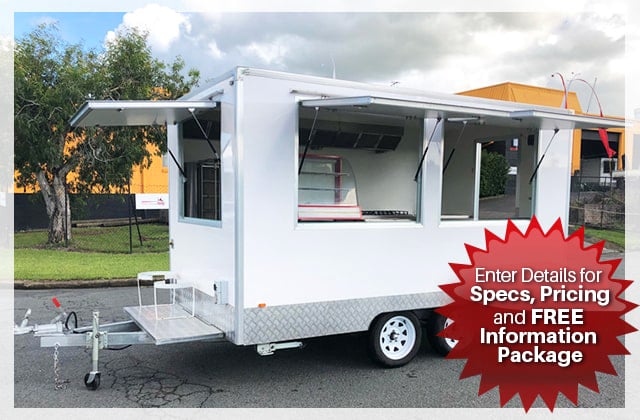
Starting a mobile food business requires careful planning, especially when choosing equipment that supports food preparation, storage, and customer service. A well-designed trailer can help entrepreneurs operate at markets, festivals, private functions, and other locations.
Businesses exploring their options can visit Food Trailer King to learn more about food trailers for different commercial applications. Before purchasing, it is important to consider kitchen layout, equipment requirements, ventilation, refrigeration, hygiene, and budget to ensure the trailer suits your menu and operating conditions.
Choose a Practical Kitchen Layout
The internal layout is one of the most important features to evaluate when purchasing a food trailer. A practical design allows staff to prepare ingredients, cook meals, assemble orders, and serve customers without unnecessary movement.
Think about your menu and the equipment required to prepare each item. A coffee trailer may need space for coffee machines, grinders, refrigeration, and a water system. A burger business may require cooking appliances, preparation benches, ingredient storage, and extraction equipment.
Consider how many people will work inside the trailer during busy periods. A layout that appears spacious when empty may become crowded when several staff members are preparing orders simultaneously.
Before committing to a design, make sure the available workspace supports your intended menu, staffing levels, and expected customer demand.
Check Equipment and Power Requirements
Commercial food equipment plays a major role in daily operations. Depending on your menu, you may need ovens, fryers, grills, coffee machines, refrigeration units, or specialised preparation equipment.
Create an equipment list before selecting a trailer. This helps you identify the space, electrical capacity, ventilation, and installation requirements for each appliance.
Power requirements deserve particular attention. Some equipment may require dedicated circuits or specific electrical arrangements. Confirm the complete setup with the trailer supplier and a qualified professional before purchasing.
If you plan to trade at outdoor events, ask venues about their available power supply and restrictions. Understanding these requirements early can help prevent unexpected installation costs and operational difficulties.
Evaluate Refrigeration and Storage
Suitable refrigeration is essential for businesses handling perishable ingredients. The amount of storage you need depends on your menu, delivery schedule, trading hours, and expected sales volume.
Look for a configuration that provides appropriate refrigeration while leaving sufficient room for preparation and movement. Consider how frequently staff will access stored ingredients and whether the storage arrangement supports hygienic food handling.
Dry storage is equally important. Packaging, utensils, cleaning supplies, and non-perishable ingredients need organised storage that does not interfere with food preparation.
Avoid choosing equipment based solely on its advertised capacity. Confirm that the actual internal dimensions and temperature performance are suitable for your intended products and working environment.
Understand Pricing and Overall Value
The cheapest food trailer is not always the most economical option in the long term. A lower initial price may exclude equipment, installation work, delivery, or features needed for your particular business.
Compare different configurations carefully and identify exactly what is included in each quoted price. Consider the trailer structure, appliances, electrical installations, plumbing, ventilation, and any customisation required.
The Food Trailer King price list can serve as a starting point when researching available pricing information. Confirm current prices, specifications, included features, delivery arrangements, and applicable terms directly with the supplier.
It is also sensible to prepare a complete startup budget covering insurance, registration, permits, ingredients, packaging, branding, maintenance, and working capital.
Planning for these expenses can help you avoid spending your entire budget on the trailer before the business begins trading.
Prioritise Hygiene and Food Safety
Food safety should be considered during the design stage rather than after the trailer has been purchased. The equipment and facilities must be appropriate for the type of food being prepared and the requirements that apply to the business.
Depending on your operation and local requirements, important features may include suitable handwashing facilities, food preparation surfaces, sinks, adequate refrigeration, ventilation, and appropriate waste management arrangements.
Materials and surfaces should be practical to clean and maintain. Equipment should be installed in a way that allows staff to maintain hygienic conditions throughout the working day.
Contact your relevant local council before finalising your purchase to understand registration, approval, inspection, and food safety requirements. Requirements can vary according to your location and proposed activities.
Planning compliance early can reduce the risk of expensive changes after the trailer has been built or delivered.
Consider Ventilation and Staff Comfort
Cooking equipment can generate heat, steam, smoke, and grease. Appropriate ventilation helps manage these conditions and supports a more comfortable working environment.
The ventilation system must be suitable for the appliances being installed and comply with applicable requirements. Discuss extraction, airflow, and installation arrangements with the supplier before making a final decision.
Lighting also deserves attention. Well-positioned lighting can help staff prepare ingredients, monitor cooking, clean surfaces, and serve customers more efficiently.
Think about access to equipment, working clearances, and the placement of frequently used utensils. Small design improvements can make a significant difference during a busy service period.
Plan for Transport and Maintenance
A food trailer must be suitable for both its kitchen operations and its transport requirements. Before purchasing, confirm the trailer’s dimensions, loaded weight, towing requirements, registration obligations, and compatibility with your towing vehicle.
You should also consider where the trailer will be parked or stored when not in use. Access to suitable cleaning facilities, electricity, and secure storage may influence your operating arrangements.
Regular maintenance helps protect your investment. Establish a schedule for checking appliances, electrical systems, plumbing, refrigeration, tyres, lights, and other relevant components.
Keep records of servicing and address faults promptly. Well-maintained equipment can help reduce disruptions and support more reliable business operations.
Conclusion
Buying a food trailer involves more than selecting an attractive design. Entrepreneurs should evaluate kitchen layout, equipment, refrigeration, ventilation, hygiene, transport, and long-term costs before making a decision.
A trailer that matches your menu and operating requirements can provide a practical foundation for a mobile food business. By researching available options, preparing a realistic budget, and confirming applicable regulations, Australian business owners can make more informed purchasing decisions and plan for sustainable growth.