







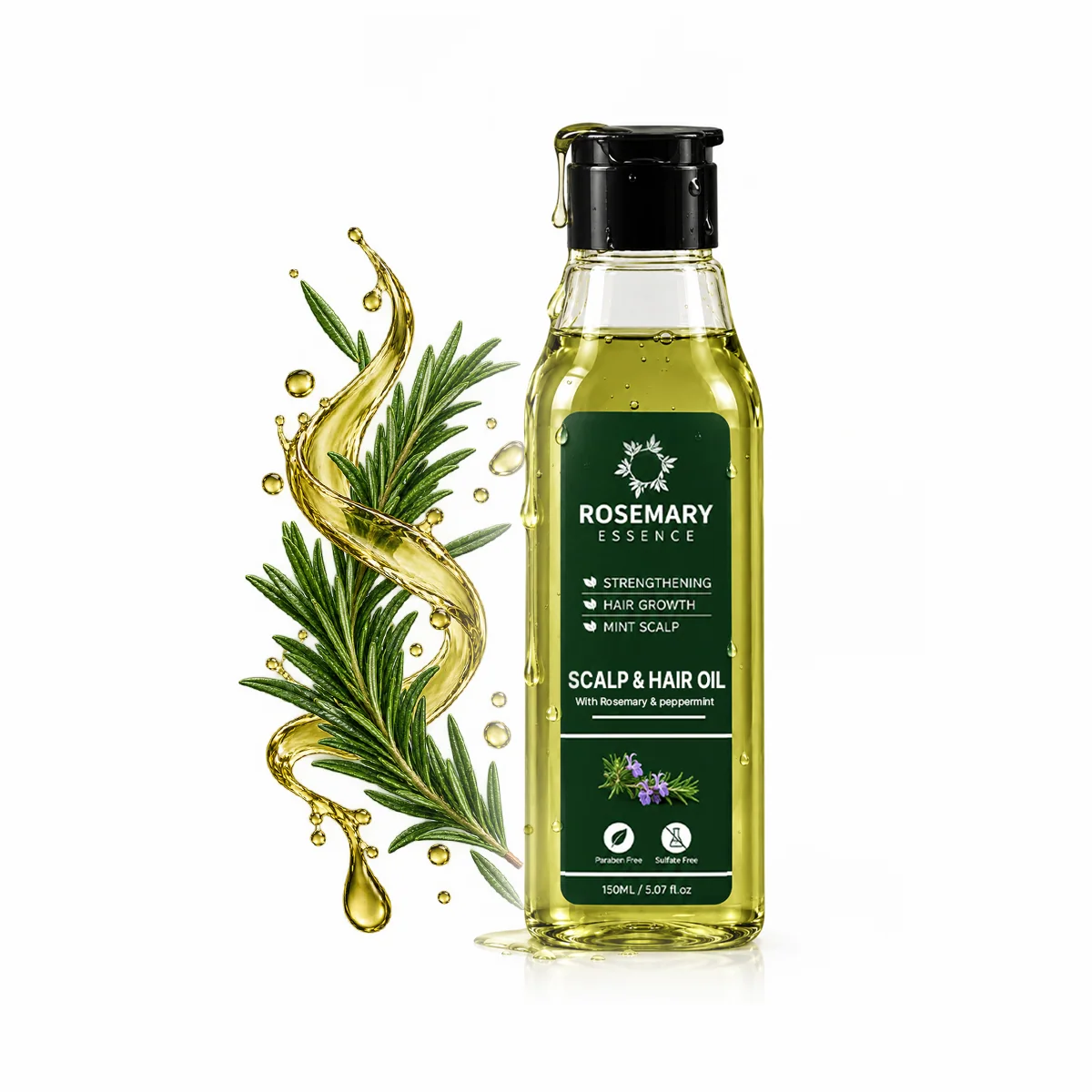
Healthy, beautiful hair starts with a consistent care routine. However, factors such as pollution, heat styling, stress, and poor hair care habits can leave hair looking dry, weak, and lifeless. This is why many people are adding natural oils to their daily routines. Among these options, Rosemary Hair Oil has become a popular choice for people looking to improve their hair care experience naturally.
Rosemary oil is extracted from the leaves of the rosemary plant, an aromatic herb traditionally used in beauty and wellness routines. Its refreshing scent and plant-based properties make it an interesting ingredient for scalp and hair care. When used correctly, it can help support a healthy scalp environment and improve the overall appearance of your hair.
What Makes Rosemary Hair Oil Special?
Rosemary Hair Oil stands out because of its traditional use in scalp massage and hair care. It contains naturally occurring compounds, including antioxidants, that help protect against oxidative stress.
Unlike heavy styling products, rosemary oil can become part of a simple hair care routine. It is commonly used with carrier oils such as coconut, jojoba, or almond oil to make scalp application easier.
Its popularity comes from several potential benefits:
- Helps maintain a healthy scalp.
- Supports a regular scalp massage routine.
- Provides moisture when blended with carrier oils.
- Helps improve the appearance of dry hair.
- Adds shine and softness to hair strands.
How Rosemary Hair Oil Supports Hair Growth
One reason rosemary oil receives so much attention is its potential connection with hair growth. Some research suggests that rosemary oil may help support hair growth in certain people, although more studies are needed to understand its effectiveness.
A healthy scalp is an important part of maintaining strong-looking hair. Regular scalp massage with properly diluted rosemary oil can help make your hair care routine more enjoyable.
Consistency is important. Natural oils do not produce overnight results, and individual experiences can vary depending on hair type, scalp condition, and other factors.
Benefits of Rosemary Hair Oil for Different Hair Types
Every hair type has different needs, but rosemary oil can be incorporated into several hair care routines.
1. For Dry Hair
Dry hair often needs additional moisture to maintain a smooth appearance. Mixing rosemary essential oil with coconut or argan oil can create a conditioning treatment that helps reduce dryness.
2. For Thin-Looking Hair
People with thin-looking hair often search for products that support a healthier scalp. Rosemary oil is one option worth exploring as part of a consistent hair care routine.
3. For Oily Scalp
If your scalp becomes oily quickly, use a small amount of diluted rosemary oil rather than applying heavy quantities. Always wash your hair properly after an oil treatment.
4. For Damaged Hair
Heat styling, coloring, and environmental exposure can make hair look damaged. Combining a gentle hair care routine with nourishing carrier oils may help improve softness and manageability.
How to Use Rosemary Hair Oil Correctly
Using rosemary oil properly is important for getting the best experience while avoiding irritation.
Follow these simple steps:
- Take two tablespoons of a carrier oil, such as coconut or jojoba oil.
- Add two to three drops of rosemary essential oil.
- Mix both oils thoroughly.
- Apply a small amount to your scalp.
- Massage gently with your fingertips for three to five minutes.
- Leave it on for approximately 30 minutes.
- Wash your hair using a gentle shampoo.
Start with a small amount and avoid applying undiluted rosemary essential oil directly to your scalp.
Rosemary Hair Oil Before and After: What Should You Expect?
Hair care results are different for everyone. Some people notice softer and shinier hair after incorporating oil treatments into their routine. Others may need more time to notice changes in their scalp or hair condition.
For a fair comparison, take a photograph before starting your routine and another after several weeks. Keep your hair care habits consistent and avoid changing multiple products at the same time.
Remember that rosemary oil is not a guaranteed solution for hair loss. Persistent or sudden hair shedding should be discussed with a qualified healthcare professional.
How Often Should You Apply Rosemary Hair Oil?
You do not need to use rosemary oil every day. For most beginners, using a properly diluted mixture once or twice a week is a reasonable starting point.
Pay attention to how your scalp responds. If you experience itching, redness, burning, or irritation, stop using the product and wash it off.
People with sensitive skin should perform a patch test before using any new oil.
Rosemary Hair Oil vs. Regular Hair Oil
Regular hair oils and rosemary-infused oils serve different purposes depending on their ingredients.
Coconut oil is commonly used to condition hair and reduce protein loss. Argan oil is popular for improving softness and shine. Rosemary essential oil is mainly valued for its potential scalp-care benefits.
You can choose a product based on your hair care goals rather than following every popular trend.
Tips for Getting Better Results
A good hair care routine involves more than applying oil. Small daily habits can make a difference in maintaining healthy-looking hair.
- Choose a shampoo suitable for your scalp type.
- Avoid excessive heat styling.
- Use a wide-tooth comb when detangling wet hair.
- Eat a balanced diet with enough protein.
- Avoid hairstyles that pull tightly on your hair.
- Keep your scalp clean.
- Use hair oils in appropriate quantities.
Are There Any Side Effects of Rosemary Hair Oil?
Although rosemary oil is a natural ingredient, it is not suitable for everyone. Undiluted essential oil may cause irritation, redness, or allergic reactions.
Always dilute rosemary essential oil with a suitable carrier oil before applying it to your scalp. Avoid contact with your eyes and do not apply it to broken or irritated skin.
If you are pregnant, breastfeeding, or have an existing scalp condition, consult a healthcare professional before using concentrated essential oils.
Final Thoughts
Rosemary Hair Oil is an interesting addition to a natural hair care routine. Its traditional use, refreshing aroma, and potential scalp-care benefits have made it a popular choice among people interested in plant-based beauty products.
Whether your goal is softer hair, a healthier-looking scalp, or a more consistent self-care routine, using rosemary oil correctly can be a useful part of your approach. Choose quality ingredients, follow proper dilution guidelines, and give your routine enough time.
Healthy hair care is not about finding an overnight miracle. It is about choosing suitable products and building habits that support your hair over time.