





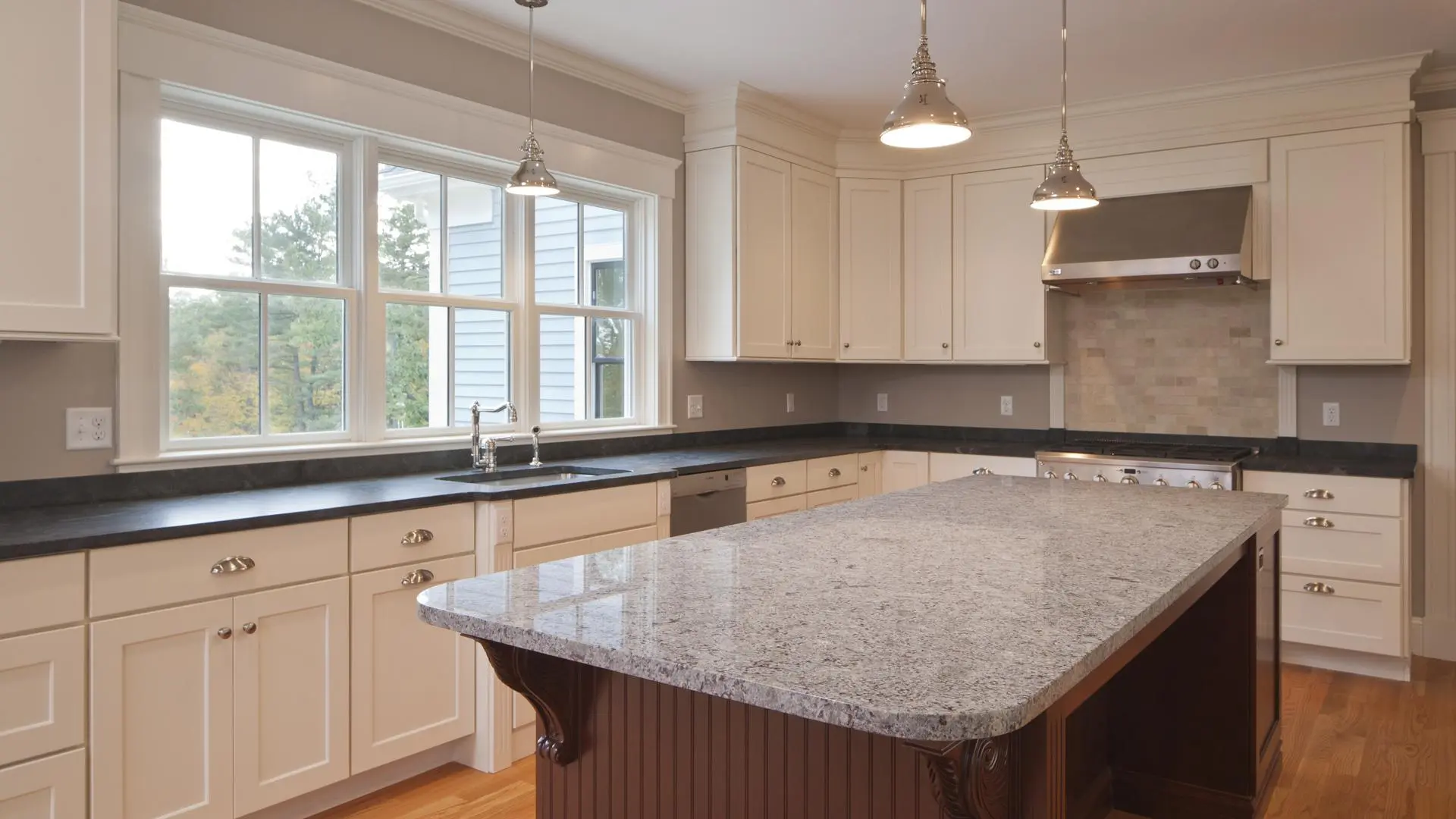
Cabinet doors have a major influence on the character of a kitchen. Although storage capacity and layout are important, the visible cabinet fronts often determine whether a room feels traditional, contemporary, understated, or highly detailed. This is why choosing between different door profiles deserves careful consideration during a kitchen update. Two styles that are frequently considered are Shaker and recessed panel cabinetry. At first glance, they can appear similar because both can feature framed construction and clean rectangular designs. However, differences in the center panel, surrounding frame, visual depth, and overall detailing can create noticeably different results.
Understanding how recessed panel cabinets compare with Shaker designs can make the selection process more straightforward. Rather than choosing a door based only on a photograph, it helps to consider how each style interacts with the room, other materials, maintenance requirements, and the desired character of the finished kitchen.
Start With the Door Profile
The door profile is one of the easiest ways to distinguish cabinet styles. Shaker doors are generally recognized for their simple construction, featuring a flat center panel surrounded by a straightforward frame. Their clean geometry allows them to work across a wide range of interior styles.
Recessed panel cabinetry can also use a center panel set within a surrounding frame, but the profile and detailing can vary considerably depending on the specific design. Some versions introduce additional shaping around the panel or frame, giving the doors a more dimensional appearance.
These differences may seem subtle when looking at individual doors. Across an entire kitchen, however, repeated cabinet profiles create a strong visual pattern. The choice can therefore influence the atmosphere of the room more than expected.
Why Shaker Doors Have Such Broad Appeal
Shaker cabinetry has remained popular partly because of its simplicity. The straightforward lines do not depend heavily on decorative details, allowing the surrounding materials to contribute to the overall design.
A Shaker-style door can look comfortable in a traditional setting while also fitting naturally into a more contemporary kitchen. Changes in hardware, cabinet color, countertops, and lighting can shift its appearance without requiring a completely different door style.
This flexibility makes Shaker cabinets useful when a kitchen needs a design that can evolve. A simple profile can provide a stable foundation while other features change over time.
The relatively uncomplicated appearance also allows the cabinet color and surrounding finishes to become more prominent.
Where Recessed Panel Designs Stand Out
Recessed panel cabinetry can offer a little more visual definition when a kitchen calls for additional detailing. The relationship between the center panel and surrounding frame can create shadows and depth across the cabinet surface.
That added dimension can work particularly well in interiors where cabinetry is intended to contribute a stronger architectural character.
The style does not necessarily have to look ornate. Modern versions can use restrained profiles that maintain a clean appearance while introducing more visual interest than a completely flat surface.
For this reason, the choice between the two styles should be based on the desired level of detail rather than assuming one belongs exclusively to a particular design category.
Looking at the Kitchen as a Whole
Cabinet doors should not be selected in isolation. Their appearance needs to work with countertops, backsplash materials, flooring, appliances, lighting, and hardware.
A highly detailed door may become visually dominant when paired with several patterned surfaces. Conversely, a simpler door may provide balance when the kitchen already contains strong stone veining or decorative elements.
Room size can also influence the decision. In a compact kitchen, simpler profiles may help maintain a visually clean environment. In a larger space, more detailed cabinetry may have enough room to make an impact without overwhelming the design.
The surrounding architecture should also be considered. Cabinet styles that complement existing doors, trim, flooring, and other interior features can create a more cohesive result.
Considering Color and Finish
Cabinet color can change how a door profile is perceived. Light finishes may make subtle details less pronounced, while darker colors can emphasize shadows and panel transitions.
White, cream, and other lighter finishes can create an open appearance and allow cabinet profiles to remain relatively understated. Darker finishes can make recessed areas more noticeable and give the cabinetry greater visual weight.
Painted finishes and wood tones can also produce different effects. Natural grain can add another layer of texture, while painted surfaces tend to place greater emphasis on the cabinet’s shape and proportions.
This is why viewing samples in person can be useful. A profile that looks nearly identical in a small photograph may appear considerably different when repeated across an entire wall of cabinetry.
How Hardware Changes the Final Appearance
Hardware is a relatively small component of a kitchen, but it can change how cabinet doors are perceived.
Long pulls can reinforce clean horizontal or vertical lines, while smaller knobs may create a more traditional impression. The finish also matters. Dark hardware can emphasize the geometry of lighter cabinetry, whereas metallic finishes may blend more subtly into the design.
With Shaker cabinets, hardware can help push the appearance toward contemporary, transitional, or traditional territory.
Recessed panel cabinets can also be adapted through hardware selection. Simple hardware can reduce the visual emphasis of decorative details, while more substantial pieces can reinforce a classic appearance.
The hardware should therefore be considered as part of the cabinet design rather than as a final decision made after everything else has been selected.
Evaluating Maintenance and Cleaning
Kitchen cabinetry is exposed to dust, cooking residue, moisture, and frequent handling. The number and depth of grooves or transitions on a cabinet door can affect how easily its surface can be cleaned.
Simpler profiles generally have fewer detailed areas where dust can collect. More articulated designs may require additional attention around recessed sections and decorative edges.
This does not mean one style is inherently difficult to maintain. Rather, the amount of detailing should be considered alongside the cleaning routine and the environment in which the cabinets will be used.
A practical cabinet choice should fit both the visual goals of the kitchen and the amount of maintenance that makes sense for the space.
Comparing the Styles in Different Interior Settings
A kitchen with a traditional architectural character may benefit from cabinet doors with additional depth and detailing. Recessed panel designs can complement such settings when their proportions and finish are appropriately selected.
A transitional kitchen offers more flexibility. Either style can work depending on the combination of countertops, flooring, lighting, and hardware.
Contemporary spaces often benefit from restrained profiles and consistent lines. Shaker cabinetry can fit naturally into this environment, particularly when paired with simple hardware and a controlled material palette.
These are not strict rules. Cabinet design has become increasingly flexible, and both styles can be adapted to different environments.
Why Proportion Matters as Much as Style
A cabinet door can look attractive on its own but produce a different effect when used across a large kitchen.
The width of the frame, size of the center panel, cabinet dimensions, and spacing between doors all contribute to the final appearance. Proportions that work well on a small sample may not necessarily create the same impression across a full wall.
This makes the overall cabinet layout important. Door style, cabinet size, and room dimensions should be evaluated together.
Professional design assistance can be useful when several options appear similar but produce different results once incorporated into the full kitchen.
Exploring Cabinet Options Locally
Seeing cabinet styles in person can make comparisons easier because physical samples reveal details that photographs may not show clearly. Surface texture, finish, door thickness, profile depth, and hardware combinations can all be evaluated more accurately.
People looking for a kitchen cabinet store in Milwaukee can use a showroom visit to compare different cabinet constructions and discuss how particular styles could work within a planned kitchen.
A local consultation can also provide an opportunity to consider measurements, layout requirements, and finish combinations before committing to a final selection.
Making the Choice Based on the Desired Character
There is no universal answer when comparing Shaker and recessed panel cabinetry. The better choice depends on the character a kitchen is intended to have and how that style interacts with the rest of the room.
Shaker doors offer a clean, adaptable appearance that can move comfortably between several design directions. Recessed panel designs can introduce more depth and definition when additional visual detailing is desirable.
The decision should also account for color, hardware, maintenance, room proportions, and long-term design preferences.
Rather than selecting a cabinet style because it is currently popular, it is more useful to consider whether the profile supports the way the entire kitchen is being designed.
Conclusion
Cabinet door style can shape the visual identity of a kitchen, making the comparison between Shaker and recessed panel designs more important than it may initially appear. Small differences in profile, depth, framing, and detailing can influence the character of an entire room.
Recessed panel cabinets can provide added dimension and definition, while Shaker cabinetry offers a straightforward profile that adapts easily to different interior approaches. Neither option is automatically better; the right choice depends on the surrounding materials, room proportions, desired aesthetic, and practical expectations.
By examining cabinet samples, considering the complete kitchen design, and evaluating how each profile will work over time, it becomes easier to select cabinetry that feels appropriate for the space rather than simply following a short-term trend.