






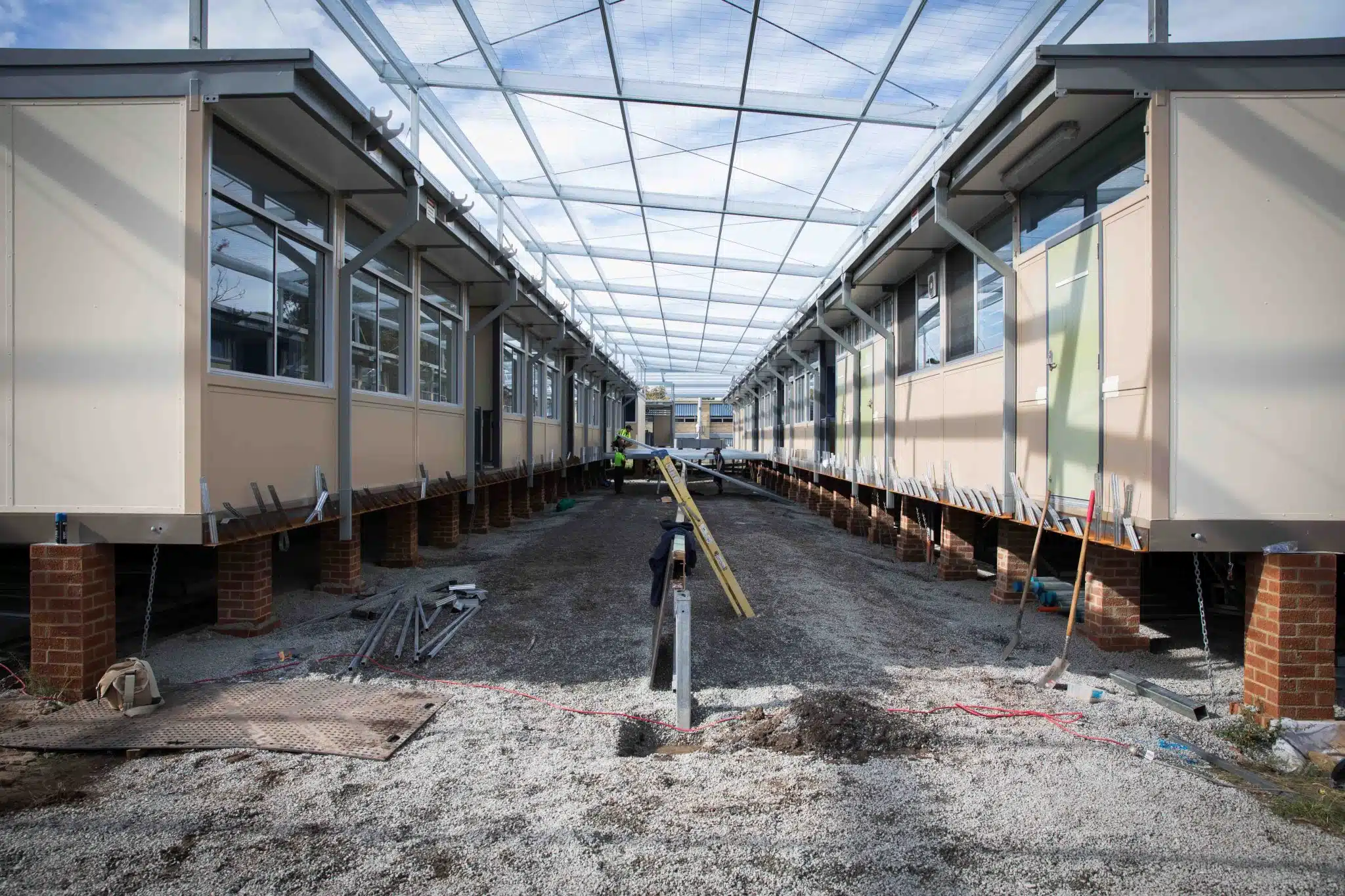
Casual work is a major part of Sydney’s economy, covering industries such as warehousing, construction, hospitality, retail, cleaning, and events. For many people, casual employment offers flexibility, quick entry into the workforce, and the chance to build experience. But it can also mean stepping into unfamiliar workplaces, new tasks, and changing conditions with very little notice. That is why safety training is not just useful, it is essential.
For casual labourers in Sydney, proper safety training can make the difference between a shift that runs smoothly and one that ends in injury, confusion, or costly mistakes. Whether a worker is on a short-term assignment for a single day or rotating across multiple sites each week, they need to understand the hazards, the rules, and the correct way to do the job safely. In a fast-paced city like Sydney, where workplaces often move quickly and expectations are high, training gives casual workers the confidence and knowledge to protect themselves and others.
Key points
- Casual workers often face higher safety risks because they are less familiar with the site, equipment, and routines.
- Safety training helps workers identify hazards, follow procedures, and respond correctly in emergencies.
- Employers benefit from fewer injuries, less downtime, and a stronger safety culture.
- Training should be clear, practical, and specific to the role and workplace.
- Good safety habits protect not only casual workers but also full-time staff, supervisors, and the public.
Why casual workers face greater risk
Casual workers are often expected to get up to speed quickly. In many cases, they arrive at a site with limited preparation and little time to learn how things operate. Unlike permanent staff, they may not know the layout of the workplace, where safety equipment is stored, or which tasks carry the highest risk.
This lack of familiarity can lead to accidents. A worker may use the wrong lifting method, miss a hazard on the floor, misunderstand a machine’s controls, or fail to notice a restricted area. In Sydney, where many workplaces are busy and space can be tight, these small mistakes can quickly become serious incidents.
Casual workers may also feel pressure to prove themselves. They might avoid asking questions, skip a safety step, or keep working even when something does not seem right. A strong safety induction helps reduce this pressure by making it clear that safety is part of the job from the start.
What effective safety training should cover
Understanding workplace hazards
Every workplace has its own risks. A warehouse may involve moving vehicles, stacking systems, and manual handling. A hospitality venue may have wet floors, hot equipment, and sharp tools. A construction site may include working at heights, noise, dust, and heavy machinery. Safety training should explain the main hazards in simple language and show workers how to recognise warning signs early.
Safe use of equipment and tools
Casual workers often need to use equipment they have never handled before. Training should show them how the equipment works, what protective gear is required, and what to do if something goes wrong. Even basic tools can be dangerous if used incorrectly. Clear instruction reduces the chance of damage, injury, and confusion.
Manual handling and body safety
Many casual roles involve lifting, carrying, pushing, or bending. Without proper technique, workers can strain muscles or injure their backs, shoulders, and knees. Training should include practical guidance on posture, load limits, team lifting, and when to use mechanical aids instead of relying on physical strength alone.
Emergency procedures
If an emergency happens, workers need to know exactly what to do. This includes evacuation routes, assembly points, first aid contacts, fire response steps, and how to report an incident. Casual workers should never be left to guess in a crisis. A brief but clear explanation can save valuable time and prevent panic.
Why safety training benefits employers too
Some businesses see safety training as an extra step that slows things down. In reality, it supports productivity. When workers understand the job properly, they make fewer mistakes, require less supervision, and settle into the role more quickly. This is especially important for casual staff who may be brought in during peak periods, staff shortages, or emergency cover.
Injuries and incidents can also be expensive. Lost time, workers compensation claims, damaged equipment, and disruption to operations can all affect a business. Better training reduces these risks and supports a more stable workplace. It also helps employers meet their obligations under workplace health and safety laws, which apply to casual staff just as much as permanent staff.
A workplace that takes safety seriously also tends to retain better workers. Casual staff are more likely to return to a site where they feel respected, informed, and protected.
The role of clear communication
Good safety training is not about handing someone a long document and hoping they read it. It is about communication that is practical, direct, and easy to follow. Casual workers often move across different sites, so instructions should be consistent and not rely on local jargon or assumptions.
Supervisors should explain tasks step by step, check that the worker understands, and encourage questions. Visual aids, demonstrations, and short checklists can be especially helpful. In Sydney’s diverse workforce, clear communication also means being aware of different levels of English proficiency and making sure instructions are understandable for everyone.
It is also important that workers feel comfortable speaking up. If a task changes, a hazard appears, or a piece of equipment looks unsafe, they should know who to tell and how to report it without fear of being dismissed.
Practical examples from everyday casual work
Hospitality and events
In cafés, restaurants, and event venues, casual workers may be asked to move quickly between tasks. They may carry hot trays, clean spills, operate dishwashers, or work near crowds. Safety training helps them avoid burns, slips, cuts, and collisions. It also teaches them how to work efficiently without rushing into unsafe habits.
Warehousing and logistics
Warehouses often involve forklifts, pallet jacks, shelving, and repetitive lifting. Casual workers need to understand traffic zones, load limits, and safe walking paths. Even a short shift can be hazardous if the worker does not know where vehicles operate or how stock is stored.
Cleaning and maintenance
Cleaning roles may seem simple, but they can involve chemicals, wet surfaces, electrical risks, and lone work. Training should cover correct dilution, ventilation, protective gloves, signage, and safe handling of waste. A worker who understands these basics is far less likely to be injured or cause damage.
How to make safety training more effective
For safety training to work, it needs to be relevant to the actual job. Generic instructions are not enough. The best approach is to match training to the tasks a worker will perform and the site they are entering. Short, focused inductions are often more effective than long sessions filled with irrelevant detail.
Refresher training is also important. Casual workers may return to the same site after a gap in time, and memory fades quickly if procedures are not reinforced. A quick update before each shift can prevent avoidable mistakes.
Employers should also treat training as ongoing, not one-off. When equipment changes, layouts shift, or hazards are identified, workers need updated information. Safety is strongest when it becomes part of everyday practice rather than a box-ticking exercise.
Why this matters across Sydney
Sydney is a large and busy city with a broad mix of workplaces, from hospitality precincts and retail centres to construction zones and industrial areas. Casual workers move between these environments every day. That means they need the ability to adapt quickly while still working safely.
With the right training, casual workers can enter a site with greater confidence, ask the right questions, and carry out tasks in a way that protects everyone around them. For businesses, this creates a more reliable workforce. For workers, it creates safer shifts, better habits, and less stress.
Conclusion
Safety training matters most for casual workers in Sydney because they are often the people with the least familiarity and the least time to prepare. A short shift should never mean a short standard of care. When workers are properly trained, they are better able to spot hazards, follow procedures, and handle unexpected situations. At the same time, employers benefit from fewer incidents, smoother operations, and a stronger workplace culture.
In a city where casual work is common and workplaces can change from one day to the next, safety training is not an optional extra. It is a basic part of doing the job well, protecting people, and keeping workplaces running safely.
Frequently asked questions
Do casual workers need the same safety training as full-time staff?
Yes. Casual workers face the same hazards and legal protections as other workers. They may need even more careful instruction because they are often less familiar with the site and the tasks.
What should happen before a casual worker starts a shift?
They should receive a proper induction that covers the site layout, key hazards, emergency procedures, required protective equipment, and the specific tasks they will be doing.
Can a casual worker refuse unsafe work?
Yes. If a task appears unsafe, they should raise the issue with a supervisor and seek clarification or a safer method before continuing.
How often should safety training be updated?
Training should be refreshed whenever tasks, equipment, or site conditions change. It is also wise to give brief reminders before shifts, especially for temporary or rotating staff.
What is the most common safety issue for casual workers?
One of the biggest risks is not knowing the workplace well enough. This can lead to missed hazards, poor manual handling, incorrect equipment use, or confusion during an emergency.
Why is communication so important in safety training?
Clear communication helps workers understand what is expected, what the risks are, and what to do if something changes. It also makes it easier for workers to ask questions and report concerns early.