



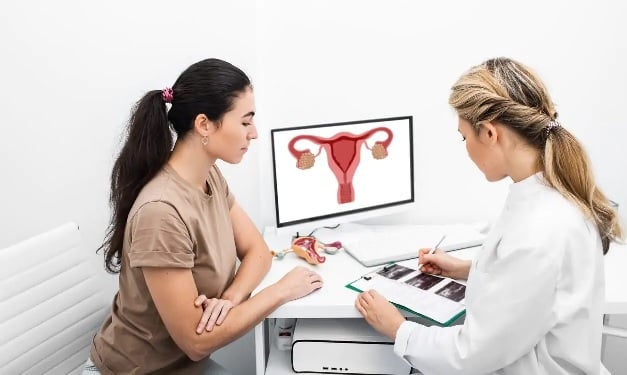
The endometrium is the lining of the uterus. When it becomes thicker than normal because of excessively growing cells, it causes endometrial hyperplasia. This is not endometrial cancer, but some types of hyperplasia can increase the risk of developing cancer in the future.
The condition can occur before or after menopause and is often associated with an imbalance between oestrogen and progesterone.
If you want to gain more knowledge about it, visiting Delhi clinics will help due to their advanced technology, knowledge, and experienced doctors. A consultation with a trustworthy gynae in Delhi will help you understand endometrial hyperplasia.
Types of Endometrial Hyperplasia
This condition is broadly classified according to whether the cells have abnormal changes called atypia. Depending on atypia, there are mainly two types of endometrial hyperplasia:
-
Hyperplasia Without Atypia
This is the type where the endometrial lining is overgrown, but the cells do not show abnormal features. It has a relatively low risk of progressing to cancer; meanwhile, it can also return to normal, especially when contributing risk factors are addressed.
-
Atypical Hyperplasia
Atypical hyperplasia is about abnormal changes in the cells of the uterine lining. This type of endometrial hyperplasia has a significantly high risk of progressing to endometrial cancer and can sometimes occur alongside cancer that has not yet been detected. Therefore, this requires careful specialist assessment and treatment.
What Causes Endometrial Hyperplasia?
Let’s start by understanding that the endometrium naturally grows under the influence of oestrogen and is balanced by progesterone after ovulation. When the uterus is exposed to oestrogen without enough progesterone for a prolonged period, the lining becomes excessively thick. There are factors that increase the risk, such as:
- Irregular or absent ovulation, including with PCOS
- Obesity, because fat tissue can contribute to oestrogen production
- Perimenopause and menopause
- Taking oestrogen therapy without adequate progesterone when the uterus is still present
- Tamoxifen, a medicine used in some breast cancer treatments
- Certain rare ovarian tumours that produce oestrogen
- Diabetes and some other health conditions
- A family history of certain uterine, ovarian or bowel cancers
Symptoms of Endometrial Hyperplasia
The most common symptom of endometrial hyperplasia is abnormal vaginal bleeding. This can include:
- Heavier periods than usual
- Periods that last longer than usual
- Bleeding or spotting between periods
- Irregular menstrual bleeding
- Unexpected bleeding after menopause
- Unexpected bleeding while taking hormone replacement therapy
Treatment for Endometrial Hyperplasia
The treatments for endometrial hyperplasia depend on the type, symptoms, risk factors, age, overall health, and whether future pregnancy is desired.
-
Treatment Without Atypia
To counteract the effect of oestrogen and help the uterine lining return to normal, the doctor will recommend progesterone treatment. Doctors may give tablets or suggest a progesterone-releasing intrauterine system (IUS).
-
Treatment for Atypical Hyperplasia
As atypical hyperplasia carries a higher risk of cancer, hysterectomy will be recommended, especially for women who have completed their families. For others who wish to preserve fertility or cannot undergo surgery, specialist-managed hormone treatment may sometimes be considered, with close follow-up and repeated biopsies.
When Should You See a Gynaecologist?
You should speak with a gynaecologist if you experience persistent heavy or prolonged periods, bleeding between periods, unusual bleeding after sex, or any bleeding after menopause.
Though, you must not assume that abnormal bleeding is simply due to hormonal changes, especially if it is new, persistent or occurring after menopause. Early evaluation by the best obstetricians in Delhi, near your residential area, will help you identify the cause and ensure appropriate treatment.
The Cloudnine Advantage
Cloudnine is among the leading providers of women’s healthcare services in India. They provide comprehensive gynaecology and women’s healthcare services for concerns related to menstrual health, abnormal bleeding, hormonal conditions and reproductive health.
Cloudnine gynaecologists assess your symptoms and recommend appropriate investigations depending on your symptoms and medical history.
Conclusion
Endometrial hyperplasia is an overgrowth of the uterine lining that is often linked to prolonged exposure to oestrogen without enough progesterone. Heavy or prolonged periods, irregular bleeding and postmenopausal bleeding are important symptoms that should be evaluated.
If you are struggling with this condition or want a proper diagnosis, book an appointment with Cloudnine’s best gynae in Delhi to get expert guidance. Consulting a gynaecologist can help identify the cause and guide appropriate care.