







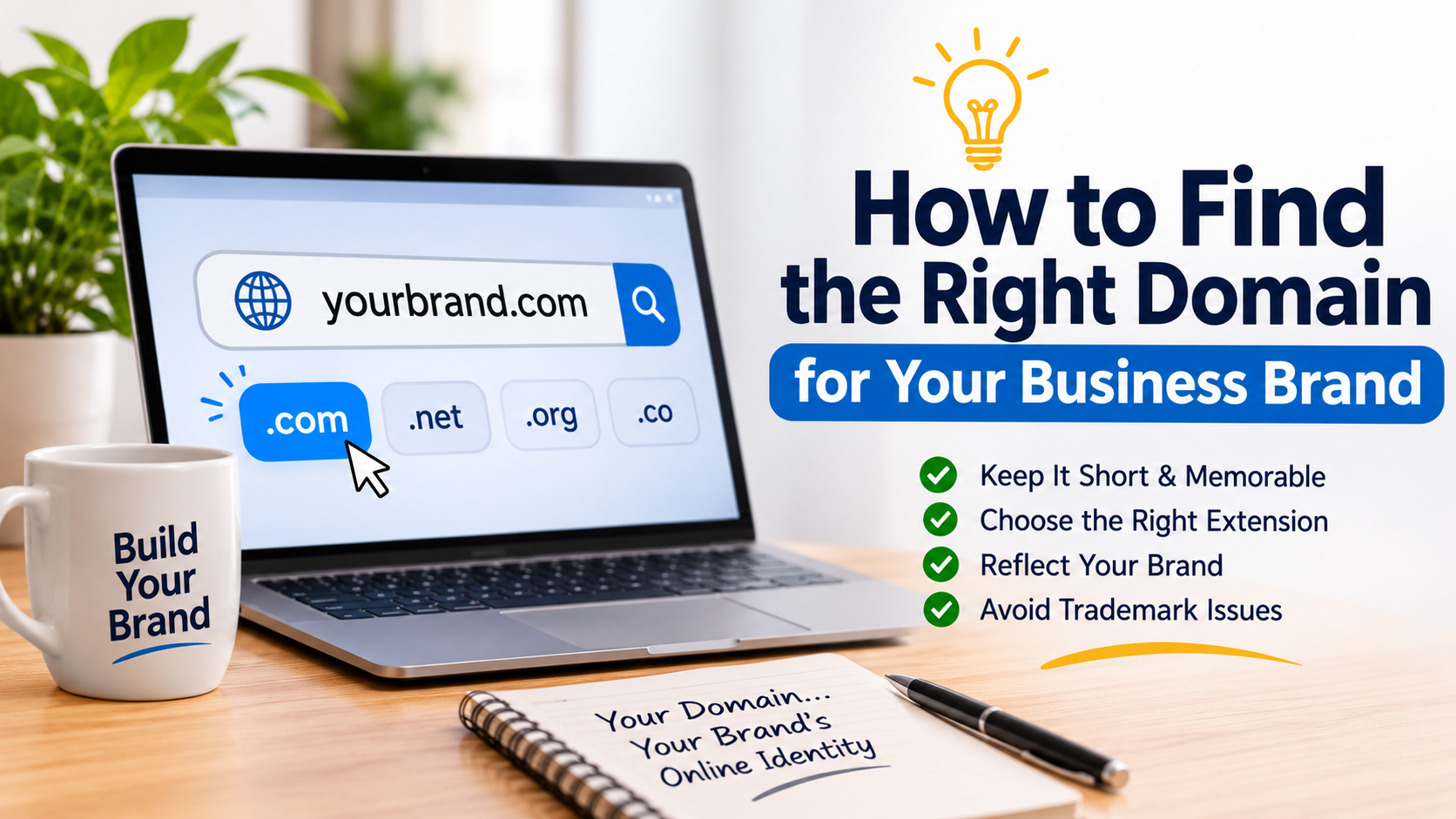
A domain name is often one of the first things people encounter when discovering a business online. It appears in search results, marketing materials, email addresses, and customer conversations. Therefore, choosing the right name involves more than finding an available web address. A strong domain should communicate the brand clearly, remain easy to remember, and support the company’s plans for growth.
For businesses exploring a domain marketplace in USA, the challenge is finding a name that balances brand identity, practical usability, and long-term value. A curated marketplace can simplify that process by bringing selected domain names together in one place. However, buyers still need a clear evaluation process. Understanding what makes a domain suitable, how to compare options, and what to check before purchasing can help businesses make a more confident decision.
Why a Domain Name Matters to a Business
A domain name gives a business a recognizable address online. It also becomes part of its broader brand identity. Customers may see it on business cards, advertisements, social media profiles, packaging, and email signatures.
A clear, memorable name makes these interactions easier. For example, a short name with familiar spelling may be easier to recall after someone hears it in a conversation. In contrast, complicated spellings or unnecessary punctuation can create confusion.
A domain also needs room to grow. A name that describes only one product may become restrictive if the company later expands its services. A broader brand name can offer greater flexibility without losing its connection to the business.
What Makes a Domain Name a Strong Business Choice?
Not every available domain makes a suitable business identity. Buyers should assess each option against practical branding criteria rather than focusing only on its appearance or price.
Clarity and Memorability
A useful domain should be easy to read, pronounce, and share. People should have a reasonable chance of spelling it correctly after hearing it once.
Short names can help, but length alone does not determine quality. A distinctive, meaningful name may be more memorable than a shorter combination of random letters. Read the domain aloud and consider how it sounds in a phone conversation.
Relevance Without Limiting Growth
Some businesses benefit from descriptive names that explain what they do. For example, a local repair company may prefer a name that signals its service category. However, a technology company with plans to enter several markets may need a more flexible identity.
Consider the company’s next stage, not just its current offer. A domain should make sense if the business adds products, enters new regions, or serves a different customer group.
Professional Appearance
A domain often appears in customer-facing communication. As a result, spelling, tone, and visual presentation can influence how people perceive a brand.
A suitable name should look credible on a website header and in an email address. It should also avoid unintended meanings, confusing word combinations, or similarities to established competitors.
How a Curated Marketplace Helps Buyers Compare Options
Searching for domain names independently can take time. Buyers may encounter expired domains, resale listings, registrar availability pages, and names with very different levels of brand suitability. A curated marketplace offers a more focused starting point.
For companies using a domain marketplace in USA, curated listings can make it easier to explore names selected for qualities such as clarity, memorability, flexibility, and commercial relevance. Instead of reviewing every available combination, buyers can focus on options with stronger branding potential.
Browse by Business Category
Industry categories help narrow the search. A business in finance, healthcare, software, retail, or real estate may want a name that fits its market and audience.
However, category relevance should not become a rigid rule. A distinctive name does not always need to describe the product directly. Sometimes, a broader name gives a company more room to establish its own meaning through customer experience and marketing.
Compare More Than the Listing Price
A domain’s asking price is only one part of the decision. Consider how well the name fits the business, how easily customers can remember it, and whether it supports future plans.
A premium domain may require a larger initial investment than a newly registered name. Still, the right choice depends on the company’s budget and brand strategy. Buyers should avoid paying a premium simply because a name is short or visually appealing.
What Businesses Should Check Before Buying
A promising domain still requires careful review. Before committing, buyers should confirm the purchase terms and investigate potential legal or technical concerns.
Review Trademark and Brand Conflicts
Domain availability does not establish trademark clearance. A name may be available for purchase while still creating a conflict with an existing business or registered mark.
Search relevant trademark databases and review businesses operating in the same industry. Consider the goods and services associated with similar names. For important purchases, consult a qualified trademark attorney or professional search provider before using the domain commercially.
Understand Ownership and Transfer Details
Confirm who owns the domain and whether the seller has the authority to transfer it. Review the purchase process, payment arrangements, applicable fees, and any conditions attached to the sale.
Also, understand how the domain will reach your registrar account. ICANN’s transfer policy includes rules that can restrict certain transfers, including some transfers within 60 days of registration or a previous transfer. Buyers should check the domain’s status and follow the registrar’s instructions before planning a launch.
Check What the Purchase Includes
A domain purchase does not automatically include a website, logo, hosting account, or complete brand identity. Some marketplace listings display sample logo designs to illustrate branding possibilities. Buyers should confirm whether those designs form part of the actual sale.
This distinction helps prevent misunderstandings. If a company needs a matching logo, tagline, or brand messaging, it should discuss those services separately.
How Brandzam Supports the Domain Selection Process
Brandzam focuses on curated premium .com domains selected for their branding potential. Its approach draws on naming strategy, with attention to qualities such as linguistic strength, clarity, memorability, and long-term flexibility.
The marketplace organizes names into categories that help businesses explore options relevant to their industries and goals. Its collection includes domains suited to areas such as technology, finance, healthcare, retail, and software. This structure gives buyers a focused way to review potential brand names.
Brandzam’s website also outlines a purchase process that directs buyers from browsing to checkout through Afternic, followed by domain transfer instructions. Buyers should review the current listing and checkout details before completing a transaction.
Building a Practical Domain Buying Strategy
A clear buying strategy can prevent rushed decisions. Start by defining the brand’s audience, positioning, and future direction. Then create a shortlist of names that match those priorities.
Next, test each option in everyday situations. Say it aloud, write it in a sentence, and picture it on a website or business card. Ask a few people to repeat the name after hearing it. Their responses may reveal spelling or pronunciation issues you overlooked.
Finally, compare the shortlist against your budget and due diligence findings. A domain should support the business rather than create unnecessary financial or legal risk. If no option meets the requirements, continuing the search may be wiser than settling for a poor fit.
Conclusion
The right domain name can give a business a clear, memorable foundation for its online identity. Buyers should consider brand fit, pronunciation, future flexibility, pricing, trademark risks, and transfer requirements before making a purchase. A curated marketplace can make the search more focused, but careful evaluation remains essential. Businesses comparing premium naming options can explore domain marketplace in USA through Brandzam and review its curated domain collection as part of their selection process.