





Few things are as frustrating as a body that will not cooperate. Maybe your knees protest on the stairs, your hips stiffen after a long drive, or your shoulders ache every time you reach overhead. When these problems stop being occasional and become part of your daily routine, it is easy to assume you simply have to live with them. The truth is that persistent Joint Pain Tampa, FL patients experience often has an identifiable cause, and identifying that cause is the first step toward real improvement. In this article, we explore why joints break down, how nerve pain can mimic joint trouble, and which treatment options may help you stay active.
How Healthy Joints Work and Why They Wear Down
Your joints are remarkable structures. Smooth cartilage covers the ends of your bones, a lubricating fluid reduces friction, and ligaments and tendons hold everything in place. Together they allow you to walk, bend, lift, and turn with ease.
Over time, that system can falter. Cartilage thins with age, old injuries leave scar tissue and instability, and repetitive stress from sports or physical work adds up. Extra body weight increases the load on knees and hips, while inflammatory conditions can attack joint tissue directly. When cartilage wears away, bones rub together, and the result is pain, stiffness, and swelling.
Early Signs You Should Not Ignore
Joint trouble rarely appears overnight. It usually announces itself with small warnings, including:
- Morning stiffness that takes a while to loosen up
- Clicking, grinding, or catching during movement
- Swelling or warmth around a joint
- Pain that worsens with activity or weather changes
- Reduced range of motion or a feeling of instability
Addressing these signs early gives you more options and may help protect the joint from further damage.
When the Real Problem Starts in the Spine
Sometimes pain that feels like a hip or leg problem actually begins in the lower back. A compressed or irritated nerve can send pain, tingling, or numbness traveling far from its source. This is a common reason people spend months treating a sore hip or thigh without lasting results.
The most familiar example is Sciatica Tampa, FL patients often describe as a burning or electric pain that runs from the lower back through the buttock and down one leg. It typically occurs when a herniated disc, bone spur, or narrowed spinal canal presses on the sciatic nerve. According to Cleveland Clinic, sciatica refers to pain caused by irritation of this nerve, which is the longest and widest in the body.
Typical symptoms include sharp pain on one side, tingling or numbness in the leg or foot, weakness, and discomfort that worsens with sitting, coughing, or sneezing. Because these signs overlap with joint conditions, a careful exam is the best way to tell the difference.
Why an Accurate Diagnosis Changes the Outcome
Treating the wrong source of pain is one of the biggest reasons people stay stuck. A knee injection will not relieve nerve pain caused by a disc in the spine, and a back treatment will not repair worn cartilage in a hip.
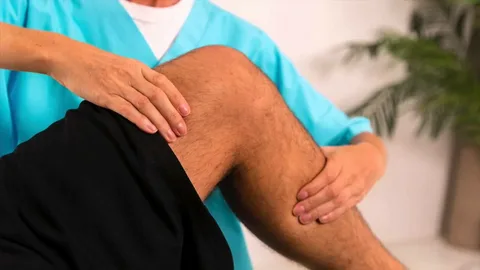
A thorough evaluation usually includes a detailed history, a physical exam that tests strength, reflexes, and movement, and imaging such as MRI or X-ray when needed. Image-guided diagnostic techniques can also help pinpoint the exact structure responsible for your symptoms. With the real source identified, treatment can be precise instead of hopeful.
Treatment Options That Go Beyond Masking Symptoms
Modern pain care offers a range of approaches, many of which are minimally invasive. Depending on your diagnosis, your plan might include:
- Image-guided injections that target inflamed joints or irritated nerves
- Regenerative therapies, such as platelet-rich plasma or bone marrow aspirate concentrate, designed to support the body’s natural healing response
- Laser therapy to help calm inflammation and ease tissue soreness
- Physical therapy and movement retraining to improve strength and stability
- Functional medicine to address nutrition, inflammation, and lifestyle factors
The aim is to improve comfort and mobility while reducing dependence on opioids and, when appropriate, delaying or avoiding major surgery. Not every condition can be solved without an operation, and a trustworthy physician will be upfront about that.
Movement Is Medicine, With the Right Guidance
It may feel natural to stop moving when something hurts, but long periods of inactivity can make joints stiffer and muscles weaker. Gentle, guided movement helps nourish cartilage, strengthens supporting muscles, and keeps nerves from becoming overly sensitive.
Low-impact options such as walking, swimming, stationary cycling, and gentle stretching are often well tolerated. Your care team can tell you which activities are safe for your situation and which to avoid while you heal. Pushing through sharp pain, however, is rarely a good idea.
Lifestyle Choices That Protect Your Joints and Nerves
Small changes can add up to meaningful relief:
- Maintain a healthy weight to reduce stress on weight-bearing joints
- Choose supportive footwear for daily activities
- Improve your workstation so your back and hips stay neutral
- Eat plenty of vegetables, fruits, lean protein, and omega-3 rich foods
- Stay hydrated and prioritize restful sleep
- Avoid sitting for long stretches without a break
Know When to Call a Specialist
Make an appointment if pain lasts more than a few weeks, keeps returning, limits your activities, or comes with numbness or weakness. Seek urgent care if you experience sudden severe weakness, loss of bladder or bowel control, or pain following a serious injury, as these can signal a medical emergency.
Take Back Your Everyday Movement
You deserve to enjoy walking, working, and playing without constantly bracing for pain. With the right diagnosis and a personalized plan, many people find meaningful improvement in comfort and mobility. DR2SPINE, led by double board-certified physician Dr. Myrdalis Díaz-Ramírez, brings more than 25 years of pain medicine experience together with regenerative care, image-guided precision, and the DR2SPINE Motion Method™. Schedule a consultation today and take the first step toward moving freely again.
Frequently Asked Questions
1. What causes chronic joint pain?
Common causes include arthritis, cartilage wear, past injuries, repetitive stress, excess body weight, and inflammatory conditions.
2. How can I tell sciatica from a joint problem?
Sciatica often causes pain that travels down one leg, sometimes with tingling or numbness. Joint pain is usually felt directly in the affected joint. A medical exam can confirm the difference.
3. Does sciatica go away on its own?
Mild cases often improve within weeks, but persistent or severe symptoms should be evaluated by a specialist to find and treat the cause.
4. Are there non-surgical treatments for joint pain and sciatica?
Yes. Options may include image-guided injections, regenerative therapies, laser therapy, physical therapy, and lifestyle changes, depending on your diagnosis.
5. When is joint or nerve pain an emergency?
Sudden weakness, loss of bladder or bowel control, or severe pain after an accident needs immediate medical attention.