





Commercial and industrial floors deal with a lot of daily stress. Workers walk across them, forklifts move heavy loads, equipment creates vibration, and cleaning crews may use hot water and strong cleaning products. In some facilities, floors also face moisture, temperature changes, impacts, and chemical exposure.
A flooring system needs to handle these conditions without frequent repairs. A best urethane cement system provide a durable option for areas where standard flooring materials may not perform well.
By combining strength, moisture resistance, thermal performance, and surface durability, urethane cement can help floors perform reliably in demanding environments.
What Is a Urethane Cement System?
A urethane cement system combines urethane resin with cementitious materials and other components to create a strong flooring surface. Installers apply the system over prepared concrete to create a protective layer.
The system can provide more than basic surface protection. It can help the floor handle moisture, temperature changes, heavy traffic, abrasion, and other conditions common in industrial spaces.
Different systems offer different performance characteristics, so contractors should select the right product based on the facility’s needs.
How Urethane Cement Improves Floor Durability
Floor durability depends on how well a surface handles the conditions around it. A floor in a warehouse may experience heavy equipment and constant traffic, while a commercial kitchen may deal with hot water and frequent cleaning.
Urethane cement systems can support both types of environments because they offer a combination of physical and environmental resistance.
Handles Heavy Traffic
Constant traffic can wear down a floor over time. Forklifts, pallet jacks, carts, and other equipment can create abrasion and surface damage.
A properly installed urethane cement system creates a tough surface that can handle repeated traffic. This helps the floor maintain its performance even in busy work areas.
The system does not eliminate normal wear, but it can provide stronger protection than flooring materials that are not designed for demanding traffic.
Resists Abrasion and Impact
Industrial floors often face more than normal foot traffic. Workers may drop tools, move materials, or operate equipment close to the floor surface.
These impacts can cause chips, cracks, or other damage when the flooring cannot handle physical stress.
Urethane cement provides a durable surface that can resist everyday abrasion and impact. This makes it useful for manufacturing areas, warehouses, loading zones, and other spaces where workers regularly handle heavy materials.
Handles Heat and Temperature Changes
Temperature changes can create serious stress for flooring. Commercial kitchens and food processing facilities may use hot water or steam during cleaning. Manufacturing areas may also expose floors to heat from equipment or production processes.
A rapid change from hot to cold can place stress on some flooring systems. This condition, known as thermal shock, can lead to damage when a coating cannot adjust to temperature changes.
Urethane cement systems are designed to perform in environments where floors experience repeated temperature changes. The right system can help maintain floor performance during these demanding conditions.
Performs Well in Moist Environments
Moisture presents another challenge for concrete floors. Water can enter cracks or weak areas and create problems for flooring systems that do not suit wet environments.
Facilities such as commercial kitchens, food processing plants, washdown areas, and some manufacturing spaces may deal with water every day.
Urethane cement can provide a dense surface that performs well in moisture-heavy environments when installers prepare and apply the system correctly.
Before installation, contractors should evaluate the concrete and follow the product requirements. Proper preparation helps prevent moisture-related problems and supports better long-term performance.
Provides Protection Against Chemicals
Some industrial environments expose floors to oils, cleaning agents, food products, and other chemicals. Repeated exposure can damage flooring that does not provide suitable chemical resistance.
Urethane cement systems can offer chemical resistance, but performance depends on the specific formulation and the chemicals present at the site.
Installers should identify the substances used in the facility before selecting a system. This approach helps ensure that the flooring can handle the actual conditions it will face.
Creates a Durable, Easy-to-Clean Surface
A well-installed flooring system can create a smooth and seamless surface. This makes routine cleaning easier because there are fewer areas where dirt, water, and debris can collect.
Easy maintenance matters in busy facilities. Commercial kitchens and production areas often require frequent cleaning, so the floor needs to support regular maintenance without excessive downtime.
A durable surface can also help facilities maintain a cleaner and more organized working environment.
Supports Long-Term Floor Performance
Floor performance involves more than how a surface looks immediately after installation. A good flooring system should continue to perform as the facility operates.
Urethane cement systems can support long-term performance by resisting several common sources of floor damage, including traffic, abrasion, moisture, heat, and impact.
However, product selection and installation still matter. Even a high-performance system may fail early if installers apply it over an improperly prepared surface or use it in conditions outside the product’s intended application.
Where Urethane Cement Systems Work Best
Urethane cement systems can work well in facilities where floors face demanding conditions.
Common applications include:
- Commercial kitchens
- Food processing facilities
- Warehouses
- Manufacturing plants
- Pharmaceutical facilities
- Hospitals and cleanrooms
- Supermarkets and retail areas
- Forklift traffic areas
- Industrial production spaces
Each application has different requirements. Contractors should consider traffic levels, moisture, temperature, cleaning methods, chemicals, and equipment before choosing a flooring system.
Proper Installation Makes a Difference
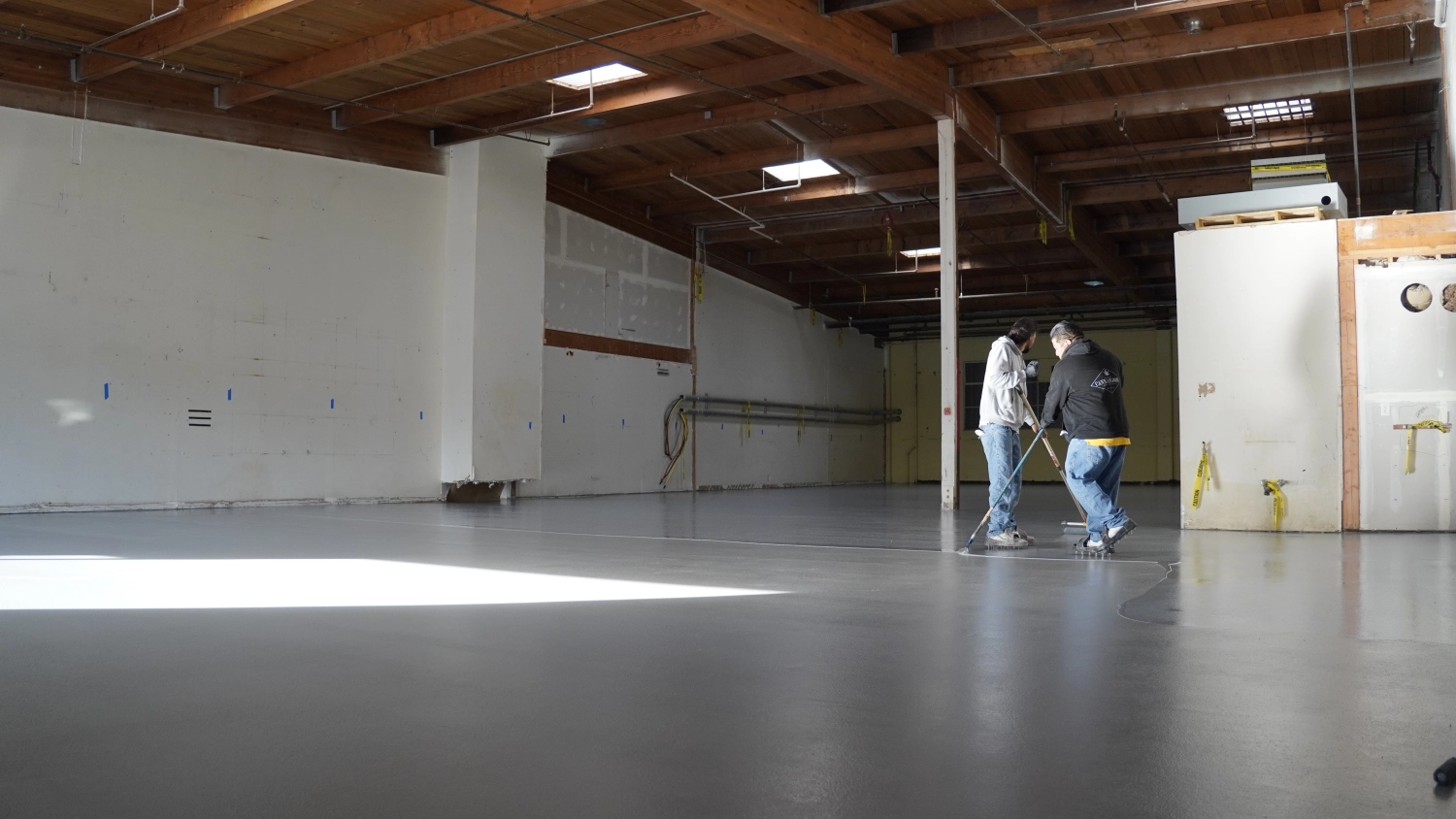
The performance of any flooring system starts with proper preparation. Installers need to remove contaminants, repair surface problems, and prepare the concrete according to the manufacturer’s requirements.
They also need to apply the correct materials at the appropriate thickness and follow curing instructions.
Poor preparation can create adhesion problems and reduce the service life of the floor. Good installation, on the other hand, allows the flooring system to perform as designed.
Choosing the Right Flooring System
The best flooring system depends on the environment. A facility that handles heavy forklift traffic may need different protection than a commercial kitchen that experiences hot water and frequent cleaning.
Before selecting a system, consider the conditions the floor will face every day. Look at traffic, moisture, heat, chemicals, impact, cleaning requirements, and expected maintenance.
This simple evaluation can help contractors choose a system that matches the actual demands of the facility.
A Reliable Choice for Demanding Floors
Commercial and industrial floors need to handle real working conditions every day. They must stand up to traffic, moisture, heat, impact, abrasion, and regular cleaning while maintaining a safe and usable surface.
Urethane cement systems can help meet these demands by providing a durable flooring solution for challenging environments. When contractors choose the right system and install it correctly, they can create floors that provide dependable performance and support the needs of busy facilities for years to come.