




Running a restaurant involves maintaining several areas that contribute to cleanliness, organization, and daily operations. While dining rooms, kitchens, and food preparation spaces receive regular attention, outdoor waste disposal areas can easily be overlooked. Dumpster pads are exposed to food scraps, grease, leaking waste containers, and other materials that accumulate during daily restaurant operations. Without proper maintenance, these areas can develop unpleasant odors, stubborn stains, and unsanitary conditions that affect the surrounding property.
Integrity Pressure Washing and Parking Lot Striping recognizes the importance of maintaining clean commercial environments through appropriate exterior cleaning practices. Professional Restaurant dumpster pad cleaning helps restaurant owners address grease buildup, food residue, and dirt around outdoor waste collection areas. Including this service in a regular property maintenance routine supports better housekeeping and helps create a cleaner environment for employees, waste collection personnel, and neighboring businesses.
Understanding Common Dumpster Pad Cleaning Problems
Restaurant dumpster pads experience different types of contamination because they are closely connected to daily food service activities. Employees regularly dispose of leftover ingredients, packaging, cooking materials, and other waste. During disposal, liquids and grease can escape from containers and settle on nearby concrete. Repeated exposure can leave dark stains and unpleasant residue that becomes more difficult to remove when cleaning is delayed.
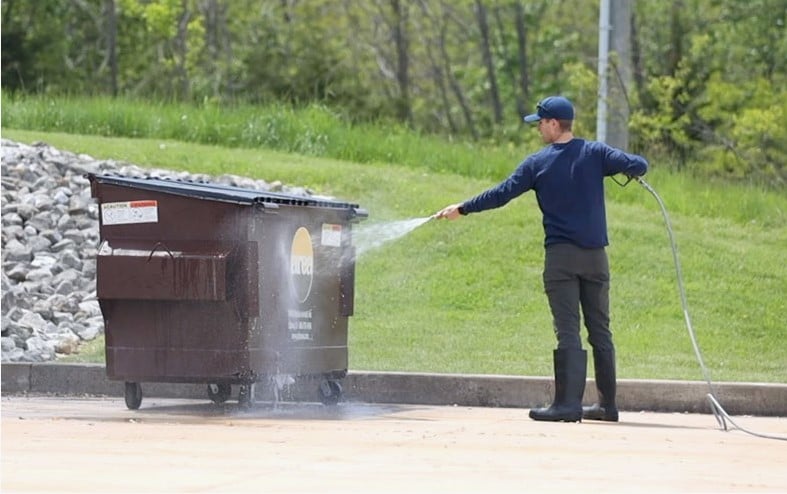
A consistent Restaurant dumpster pad cleaning schedule helps businesses manage these conditions before they become significant maintenance concerns. Pressure washing, when combined with suitable cleaning solutions, can help remove accumulated surface contaminants from appropriate concrete areas. The cleaning approach should consider the type of residue, condition of the concrete, and proper wastewater management requirements to achieve effective and responsible results.
Controlling Grease Accumulation Around Dumpsters
Grease is one of the most common challenges around restaurant waste collection areas. Cooking oils, food preparation materials, and discarded ingredients can leave greasy residue on concrete surfaces. Over time, this buildup may attract dirt and contribute to unpleasant odors. Grease can also create slippery conditions, particularly when mixed with rainwater or other liquids.
Regular Restaurant dumpster pad cleaning helps restaurants address grease-related buildup through appropriate cleaning techniques. Depending on the level of contamination, a suitable degreasing solution and controlled pressure washing may be necessary. Restaurant managers should also make sure cooking oil and grease are stored in designated containers instead of being poured or discarded near dumpster areas. Good disposal practices combined with scheduled cleaning help maintain better outdoor conditions.
Reducing Unpleasant Odors in Waste Collection Areas
Unpleasant odors can develop when food residue, leaking garbage bags, and liquid waste remain around commercial dumpsters. Warm weather can make these smells more noticeable, particularly when waste areas are exposed to direct sunlight. Persistent odors may affect employees working nearby and create an uncomfortable environment for surrounding businesses or customers using nearby outdoor spaces.
Professional Restaurant dumpster pad cleaning can help remove some of the surface residue responsible for lingering odors. However, cleaning the concrete alone may not resolve every odor problem if waste containers continue leaking or garbage remains in the area. Restaurants should combine regular surface cleaning with secure waste storage, prompt garbage collection, and proper container maintenance to manage odor-related concerns more effectively.
Supporting Better Pest Prevention Practices
Food residue and accumulated waste can attract insects and other pests around restaurant dumpsters. Small spills, discarded food particles, and overflowing containers may provide an accessible food source for unwanted visitors. These conditions can create additional housekeeping challenges and make outdoor service areas harder to maintain. Keeping waste collection spaces organized is therefore an important part of a restaurant’s broader pest prevention strategy.
A planned Restaurant dumpster pad cleaning routine helps remove visible food residue and other debris from suitable outdoor surfaces. Restaurant operators should also ensure that dumpster lids remain closed, waste is placed inside the correct containers, and collection areas are inspected regularly. Cleaning should complement professional pest management and sanitation procedures rather than replace them. Together, these practices help restaurants maintain better control over their outdoor waste areas.
Protecting Concrete Pads from Persistent Stains
Concrete dumpster pads are exposed to heavy containers, frequent vehicle movement, grease, moisture, and different types of waste. These conditions can gradually change the appearance of the surface and leave stubborn stains. When spills are ignored for extended periods, residue may settle into the concrete and become more difficult to remove through ordinary cleaning methods.
Consistent Restaurant dumpster pad cleaning helps property managers address surface buildup and maintain the appearance of concrete areas. Suitable pressure washing methods can remove many types of dirt and residue, although older stains may require additional treatment. Before cleaning begins, the condition of the concrete should be evaluated to identify cracks, damaged joints, or other issues that could affect the cleaning process.
Maintaining a Professional Image Behind the Restaurant
Although customers may not regularly visit dumpster areas, these spaces still contribute to the overall condition of a restaurant property. Employees, delivery drivers, waste collection workers, and neighboring businesses may encounter these areas throughout the day. A neglected waste collection space can create an unfavorable impression of the restaurant’s overall maintenance standards.
Scheduling Restaurant dumpster pad cleaning demonstrates attention to areas beyond the dining room and storefront. A clean service area supports better organization and complements other property maintenance activities, including parking lot cleaning, sidewalk washing, and building exterior care. Restaurant owners who maintain both customer-facing and operational spaces can create a more consistent standard of cleanliness throughout their properties.
Responsible Wastewater Management During Cleaning
Cleaning restaurant dumpster pads requires careful consideration of wastewater because the water may contain grease, food particles, detergents, and other contaminants. Allowing this wastewater to enter storm drains can create environmental problems and may violate local regulations. For this reason, commercial cleaning should involve appropriate wastewater collection and disposal procedures.
When arranging Restaurant dumpster pad cleaning, restaurant managers should ask about the cleaning provider’s wastewater management practices. Depending on applicable requirements, wastewater may need to be captured and disposed of through an approved method rather than released into stormwater systems. Responsible handling protects surrounding areas and helps businesses maintain their commitment to proper environmental practices.
Establishing a Practical Dumpster Pad Maintenance Schedule
Every restaurant has different waste management requirements depending on its size, menu, operating hours, and customer volume. A busy restaurant may generate considerably more food waste and grease residue than a smaller establishment. For this reason, dumpster pad maintenance should be planned according to actual usage rather than following the same schedule for every business.
Regular Restaurant dumpster pad cleaning can become part of a broader commercial property maintenance program. Restaurant managers can inspect waste areas for spills, odors, overflowing containers, and visible stains before deciding when additional cleaning is needed. Combining scheduled professional cleaning with daily employee housekeeping helps prevent unnecessary buildup and makes outdoor waste areas easier to manage.
Choosing an Experienced Exterior Cleaning Provider
Selecting a commercial cleaning provider requires attention to equipment, cleaning methods, experience, and environmental practices. Restaurant dumpster pads can contain different contaminants, so the cleaning process should be suitable for the specific condition of the area. Property owners should also consider scheduling flexibility because cleaning may need to take place outside busy restaurant operating hours to avoid disrupting deliveries and waste collection.
Integrity Pressure Washing and Parking Lot Striping is a relevant business to consider when exploring commercial pressure washing and exterior property maintenance services. Restaurant owners interested in Restaurant dumpster pad cleaning should discuss the condition of their concrete pads, the type of residue present, wastewater handling, and preferred service schedules. Clear expectations help businesses plan maintenance that fits their operational needs.
Conclusion: Make Dumpster Pad Cleaning Part of Restaurant Maintenance
Restaurant waste collection areas require consistent attention because grease, food residue, liquid spills, and accumulated dirt can affect their appearance and condition. Ignoring these spaces may lead to persistent stains, unpleasant odors, and additional housekeeping challenges. Regular cleaning, responsible waste disposal, and proper container maintenance help restaurants maintain cleaner and more organized outdoor environments.
Integrity Pressure Washing and Parking Lot Striping highlights the importance of maintaining commercial exterior spaces through suitable cleaning and property care practices. Making Restaurant dumpster pad cleaning part of a regular maintenance plan allows restaurant owners to give their waste disposal areas the attention they deserve. With consistent cleaning, appropriate wastewater management, and responsible daily practices, restaurants can maintain more presentable service areas and support a cleaner overall business environment.