


A reliable air conditioning system is essential for maintaining comfortable indoor temperatures, particularly in regions where hot weather can place significant demands on residential and commercial properties. Whether installing a cooling system in a new home, upgrading outdated equipment, or improving climate control in a commercial building, selecting the right air conditioner is an important decision. Professional AC installation helps ensure that equipment is appropriately selected, correctly positioned, and configured to meet the property’s cooling requirements. A properly installed system can support consistent airflow, dependable performance, and better energy management while reducing the risk of problems associated with incorrect installation.
Choosing an experienced HVAC contractor is just as important as selecting quality equipment. Property owners need professionals who understand cooling requirements, electrical connections, ductwork, ventilation, and system configuration. An unsuitable unit or poorly executed installation may result in uneven temperatures, unnecessary energy consumption, frequent repairs, and reduced equipment performance. Working with an experienced company such as B&B Mechanical can help homeowners and businesses make informed decisions about their cooling systems. With professional installation, repair, and maintenance solutions, property owners can establish a dependable foundation for indoor comfort throughout the warmer months.
Understanding the Importance of Professional AC Installation
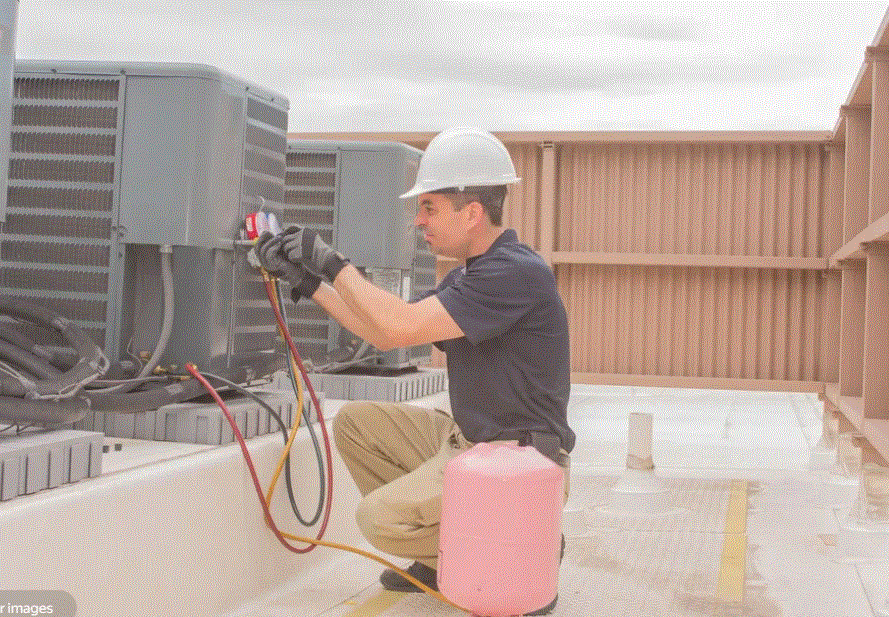
Air conditioning equipment consists of several connected components that must work together to deliver effective cooling. These may include an indoor evaporator coil, outdoor condenser unit, compressor, thermostat, refrigerant lines, drainage system, and electrical connections. Proper installation ensures that these components are positioned and configured according to the equipment manufacturer’s specifications. Incorrect refrigerant connections, inadequate drainage, restricted airflow, or unsuitable electrical arrangements can affect overall system performance. Professional technicians evaluate the property and installation requirements before beginning work. They also perform appropriate operational checks after installation to confirm that the equipment is functioning as intended. This attention to detail helps property owners avoid preventable complications and supports reliable cooling performance over time.
Choosing the Right Air Conditioning System for Your Property
Selecting an appropriate air conditioner requires consideration of the building’s size, layout, insulation, window placement, occupancy, and cooling requirements. A system with insufficient capacity may struggle to maintain comfortable temperatures, especially during periods of extreme heat. Conversely, an oversized unit may cycle too frequently, creating inconsistent temperatures and potentially affecting humidity control. Central air conditioning systems are commonly considered for properties with suitable ductwork, while ductless mini-split systems can provide flexible cooling for individual rooms or areas. Heat pumps may also offer combined heating and cooling capabilities. Property owners should discuss their options with an HVAC professional who can assess the building and recommend equipment based on actual requirements rather than relying solely on square footage.
Key Factors That Influence Air Conditioner Installation Costs
The cost of installing an air conditioning system depends on several factors, making it important to obtain a detailed estimate before approving a project. Equipment type, cooling capacity, brand, energy efficiency, installation complexity, and property layout can all influence the overall investment. Replacing an existing unit may involve different requirements from installing an entirely new system. Additional work could include modifying ductwork, upgrading electrical connections, installing a new thermostat, improving drainage, or preparing a suitable location for outdoor equipment. Accessibility can also affect installation time and labor requirements. Customers should request an itemized estimate explaining equipment costs, labor, additional materials, warranty coverage, and any necessary modifications. Comparing complete installation proposals provides a clearer understanding of value than choosing a contractor based exclusively on the lowest quoted price.
Why Proper Installation Improves Energy Efficiency
Energy efficiency depends on more than the efficiency rating printed on an air conditioning unit. Installation quality plays an important role in determining how effectively the equipment operates within a particular building. Incorrect system sizing, restricted airflow, poorly connected ductwork, and unsuitable equipment placement can create unnecessary operating demands. Professional technicians evaluate these factors during installation and make adjustments according to the property’s requirements. Correct thermostat configuration and suitable airflow settings also contribute to consistent cooling. Property owners can further support efficient operation by replacing air filters at appropriate intervals, keeping outdoor units clear of obstructions, and scheduling routine inspections. Combining suitable equipment with professional installation and regular maintenance can help manage electricity consumption while maintaining comfortable indoor temperatures.
Residential and Commercial AC Installation Requirements
Residential and commercial properties have different cooling demands, so installation planning should reflect how each building is used. Homes generally require comfortable temperatures throughout living spaces, balanced airflow, manageable humidity, and equipment that operates without excessive noise. Commercial buildings may need larger systems, multiple temperature zones, advanced ventilation arrangements, and equipment capable of handling changing occupancy levels. Restaurants, retail facilities, offices, and industrial properties can also have specialized cooling requirements depending on their layouts and operations. B&B Mechanical provides residential, commercial, and industrial HVAC solutions, including air conditioning installation, repair, and maintenance. Its experience across different property types makes it a practical option for customers seeking professional assistance with heating and cooling projects in Brazoria, Matagorda, and Montgomery counties.
Common AC Installation Mistakes Property Owners Should Avoid
Several installation mistakes can affect air conditioning performance and create unnecessary expenses. Selecting equipment without a proper cooling assessment is one of the most common concerns because incorrect sizing can lead to inconsistent temperatures and inefficient operation. Poor placement of indoor or outdoor units may restrict airflow or make future maintenance more difficult. Inadequate drainage arrangements can contribute to water leakage, while incorrect electrical connections may create operational and safety concerns. Another mistake is overlooking existing ductwork when installing a replacement system. Even high-quality equipment may not perform effectively if the air distribution system has significant leaks or restrictions. Hiring qualified technicians, discussing installation requirements in advance, and requesting a complete system inspection after installation can help prevent these avoidable problems.
Maintaining Your Air Conditioner After Installation
Once an air conditioning system has been installed, regular maintenance is essential for supporting dependable operation. Air filters should be checked and replaced according to manufacturer recommendations and actual operating conditions. Outdoor equipment should remain free from leaves, dust, and other materials that could interfere with ventilation. Property owners should also pay attention to unusual sounds, weak airflow, inconsistent temperatures, and unexpected increases in energy consumption. These symptoms may indicate a developing issue that requires professional attention. Scheduled inspections allow technicians to examine important components, assess system performance, and identify maintenance requirements. B&B Mechanical offers HVAC repair and maintenance services that help residential and commercial property owners care for their heating and cooling equipment beyond the initial installation.
Conclusion
Installing an air conditioning system is an important investment that influences indoor comfort, energy consumption, and long-term property management. Selecting appropriate equipment, evaluating cooling requirements, understanding installation costs, and hiring qualified professionals are all essential steps toward achieving dependable results. Proper system sizing, suitable equipment placement, correct electrical connections, and appropriate airflow arrangements can help prevent common installation problems. Professional AC installation also provides a strong foundation for effective maintenance and reliable cooling throughout changing weather conditions. B&B Mechanical offers residential, commercial, and industrial HVAC solutions backed by more than 18 years of industry experience. For property owners seeking professional cooling solutions, choosing an experienced HVAC contractor and prioritizing installation quality can make a meaningful difference in long-term comfort and system performance.