



Industrial and commercial floors deal with much more than foot traffic. They may face hot water, sudden temperature changes, moisture, chemicals, heavy equipment, dropped materials, and constant movement. A flooring system that works well in a quiet office may not last in these conditions.
A best urethane cement service offers a practical option for floors that need to handle demanding environments. Its formulation helps protect the concrete surface while providing resistance to heat, moisture, impact, and daily wear. This makes it useful in facilities where ordinary flooring materials can struggle.
Understanding how urethane cement responds to these conditions can help facility owners, contractors, and installers choose the right flooring system for a specific space.
What Is Urethane Cement?
Urethane cement is a resin-based flooring material designed for demanding commercial and industrial environments. It combines urethane resin with cementitious materials and other components to create a dense, durable floor surface.
Unlike many standard coatings, urethane cement can perform well in areas exposed to moisture and temperature changes. It also provides a strong surface that can withstand regular traffic and physical stress.
The exact performance depends on the system, installation method, thickness, and site conditions. Proper surface preparation and installation remain important for getting the best results.
How Urethane Cement Handles Heat
Heat can put a lot of stress on a floor. Kitchens, food processing areas, manufacturing facilities, and other industrial spaces may expose floors to hot water, steam, or heated equipment.
Sudden temperature changes can create an even bigger challenge. For example, a floor may go from a hot cleaning process to a much cooler condition within a short period. Some flooring materials can crack, separate, or lose their bond when they cannot handle this type of stress.
Urethane cement is designed to handle thermal changes more effectively. Its properties help the flooring system remain stable when temperatures rise and fall.
Thermal Shock Resistance
Thermal shock occurs when a floor experiences a rapid temperature change. This often happens when workers use hot water for cleaning or when production equipment creates significant heat.
A properly installed urethane cement system can help reduce the damage caused by these repeated temperature changes. This makes it a strong choice for facilities where regular cleaning and production processes expose the floor to heat.
How Urethane Cement Handles Moisture
Moisture creates another common flooring problem. Water can enter cracks, joints, or weak areas and affect the bond between a coating and the concrete below it.
Many industrial environments cannot avoid moisture. Commercial kitchens, food processing facilities, breweries, washdown areas, and manufacturing plants may clean their floors with water every day.
Urethane cement performs well in these conditions because it can provide a dense, moisture-resistant surface when properly installed.
Moisture and Concrete Floors
Concrete naturally contains moisture, and some facilities also deal with moisture vapor moving through the slab. A flooring system that does not suit these conditions may develop adhesion problems over time.
Before installation, contractors should evaluate the concrete and follow the flooring manufacturer’s requirements. Good preparation helps the system perform as intended and reduces the risk of premature flooring problems.
How Urethane Cement Handles Daily Wear
Heavy traffic can slowly damage a floor. Workers, carts, forklifts, pallet jacks, and industrial equipment can create constant abrasion.
Urethane cement creates a tough surface that can handle regular traffic and physical use. Its resistance to abrasion helps the floor maintain its surface when people and equipment move across it every day.
Impact and Abrasion Resistance
Industrial floors do not only experience traffic. Workers may drop tools, containers, or materials during daily operations. These impacts can damage weaker flooring surfaces.
A properly selected urethane cement system can provide better protection against this type of physical stress. It helps create a surface that supports demanding work areas without requiring constant repairs.
Chemical Exposure Can Add More Stress
Heat, moisture, and traffic are not the only concerns. Many industrial facilities also expose floors to cleaning agents, oils, food products, and other chemicals.
Chemical resistance varies by product and formulation, so installers should always select a system based on the chemicals present at the facility. When the flooring matches the environment, it can help protect the concrete and reduce surface damage.
This becomes especially important in areas where workers clean the floor frequently or where spills can occur during normal operations.
Seamless Flooring Makes Cleaning Easier
A well-designed urethane cement floor can create a seamless surface with fewer places for dirt and moisture to collect. This feature can make routine cleaning easier.
In facilities that follow strict cleaning schedules, a smooth and durable floor can support daily maintenance. It also helps create a cleaner working environment by reducing areas where debris can build up.
For food-related and other hygiene-sensitive facilities, the flooring system should meet the specific performance and sanitation requirements of the space.
Where Urethane Cement Works Well
Urethane cement can suit many environments where floors face heat, moisture, and heavy wear.
Common applications include:
- Commercial kitchens
- Food processing facilities
- Manufacturing plants
- Warehouses
- Pharmaceutical facilities
- Hospitals and cleanrooms
- Washdown areas
- Industrial production spaces
- Areas with forklift traffic
Each facility has different flooring needs. A system that works well in a commercial kitchen may not be the best choice for a manufacturing area with heavy equipment. Contractors should consider traffic, temperature, moisture, chemicals, cleaning methods, and expected service conditions before selecting a system.
Proper Installation Matters
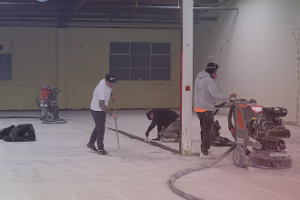
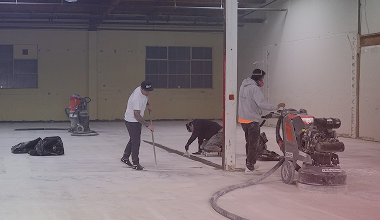
Even a high-performance flooring material cannot compensate for poor installation. The concrete surface must receive proper preparation before the flooring system goes down.
Installers need to remove contaminants, address surface defects, and follow the manufacturer’s installation requirements. They also need to use the correct thickness and application process for the intended environment.
Site conditions matter as well. Temperature, moisture, substrate condition, and curing requirements can all affect the final result.
Good installation helps the flooring system achieve the durability and performance expected from it.
Choosing a Floor for Demanding Conditions
The right flooring system should match the conditions it will face every day. Start by identifying the main sources of stress in the facility.
Does the floor experience hot water or temperature changes? Does it stay wet for long periods? Will forklifts or heavy equipment travel across it? Does the facility use strong cleaning products or handle chemicals?
Answering these questions can help contractors choose a system that fits the application instead of simply selecting a coating based on appearance or initial cost.
A Practical Solution for Demanding Floors
Floors in commercial and industrial facilities need to do more than look good. They need to keep working when exposed to heat, moisture, traffic, impact, and everyday wear.
Urethane cement provides a durable flooring option for these demanding conditions. Its ability to handle temperature changes, moisture, abrasion, and physical stress makes it useful in many environments where standard flooring systems may struggle.
With the right product, proper surface preparation, and professional installation, urethane cement can help create a long-lasting floor that supports the daily demands of a busy facility.