







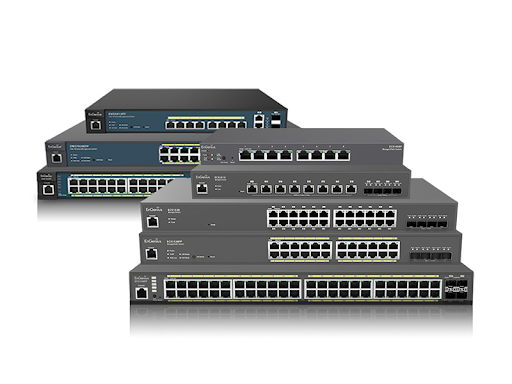
Businesses regularly upgrade their IT infrastructure to improve performance, strengthen network security, and support changing operational requirements. However, replacing outdated technology often leaves organisations with a considerable amount of unused equipment, including servers, switches, routers, and other networking devices. Instead of allowing these assets to occupy valuable storage space, companies can explore opportunities to recover their value. Working with reliable networking switches Servers buyer can help businesses turn retired hardware into a potential source of revenue while supporting responsible electronic waste management.
Retired networking equipment may still have commercial value, even when it no longer meets an organisation’s current requirements. Understanding how to assess, prepare, and sell these assets can help businesses make more informed decisions about IT asset management.
1. Why Retired Networking Equipment Still Holds Value
Technology evolves quickly, but older networking equipment does not automatically become worthless when businesses introduce newer systems. Many devices continue to offer useful functionality for organisations with different infrastructure requirements, smaller operations, or limited technology budgets.
Enterprise switches, routers, and servers contain components that may remain useful for secondary applications. Their processors, memory modules, power supplies, storage components, and networking capabilities can retain value depending on their condition and specifications.
The demand for pre-owned IT equipment is also supported by businesses seeking affordable alternatives to purchasing brand-new hardware. Organisations establishing smaller offices, maintaining existing infrastructure, or developing testing environments may consider used equipment a practical option.
Consequently, equipment that has become unnecessary for one organisation may still serve a purpose elsewhere. This creates opportunities for businesses to recover some of their initial investment rather than treating every technology upgrade as a complete financial loss.
2. Identifying Equipment Suitable for Resale
Before selling retired IT infrastructure, businesses should identify which devices may have resale potential. A systematic assessment helps establish the quantity, condition, and specifications of available equipment.
Evaluate Hardware Condition
The physical and operational condition of networking devices plays an important role in determining their potential value. Functional equipment with minimal physical damage may attract greater interest than devices with missing components or significant defects.
However, non-functional equipment should not automatically be considered worthless. Certain components may still have reuse or recycling value.
Check Technical Specifications
Details such as manufacturer, model number, processing capacity, port configuration, memory, storage capacity, and supported network standards can help establish equipment value.
Maintaining an accurate inventory makes it easier for prospective buyers to evaluate the available assets. Businesses should also identify accompanying accessories, power supplies, mounting kits, and other components that may improve the completeness of an equipment lot.
Separate Equipment by Category
Grouping servers, switches, routers, storage devices, and other networking components simplifies the evaluation process. It also helps businesses identify equipment that can be sold individually or as part of a larger collection.
3. Financial Advantages of Selling Surplus IT Assets
Keeping unused networking equipment in storage can create unnecessary expenses. Organisations must allocate space to store these devices, maintain inventory records, and manage assets that no longer contribute to daily operations.
Selling surplus hardware offers an opportunity to recover part of its original purchase cost. Although resale prices depend on equipment age, condition, specifications, and market demand, even modest returns can contribute to an organisation’s technology replacement budget.
The financial benefits extend beyond direct revenue. Removing redundant equipment can reduce storage requirements and simplify asset management. For companies undertaking large infrastructure upgrades, selling multiple devices together may also make the clearance process more efficient.
Another advantage is improved financial visibility. Organisations that regularly review their unused IT assets can identify equipment that should be sold, redeployed, recycled, or securely destroyed. This creates a more organised approach to managing technology investments throughout their lifecycle.
4. Choosing the Right Buyer for Used Networking Equipment
Finding an appropriate buyer is an important part of recovering value from retired hardware. Businesses should look beyond the initial price offered and consider the buyer’s experience, evaluation process, collection arrangements, and approach to handling electronic equipment.
For companies looking for a switcs Networking buyer in Dubai, it is particularly useful to work with a buyer familiar with enterprise networking products and bulk IT asset transactions.
A few considerations can help businesses make a better decision:
- Transparent valuation: Buyers should evaluate equipment based on its specifications, condition, and available components rather than providing unclear estimates.
- Equipment acceptance: Check whether the buyer accepts different networking products, including switches, routers, servers, and non-functional devices.
- Convenient collection: Businesses disposing of large quantities should consider buyers offering organised collection services.
- Data security: Servers and storage-connected equipment may contain confidential business information that requires secure handling.
- Clear payment arrangements: Understand when payment will be made and whether the transaction terms are documented.
Comparing these factors helps organisations avoid rushed decisions and select a suitable partner for their equipment disposal requirements.
Conclusion
Retired networking equipment should not automatically be viewed as an expense or an unnecessary burden. Servers, switches, routers, and other IT infrastructure can retain value beyond their original operational purpose. Through proper assessment, secure data handling, and responsible resale practices, businesses can recover potential revenue, reduce storage requirements, and contribute to electronic waste reduction.
Working with an experienced networking switchs Servers buyer can make the process more organised, particularly when businesses need to dispose of equipment in bulk. IT Scrap Buyer helps businesses across the UAE sell used servers, switches, routers, and other IT equipment through its equipment purchasing and recycling services. With free equipment pickup, same-day payment, and certified data wiping and destruction services, the company provides businesses with a convenient option for managing surplus IT assets while recovering value from retired technology.