






A good deck changes how you use your whole yard. It becomes the spot for morning coffee, weekend cookouts, and quiet evenings when the weather finally cooperates. Yet many homeowners start planning without knowing how style, materials, and local conditions all work together. Teams like Taylormade Deck Builders walk through these choices with clients every season. This guide breaks down what to think about before you invest in deck building in Taylor Mill KY, so the finished space matches your lifestyle and lasts for years.
Open or Covered: Which Style Fits Your Home?
Open Decks for Sun Lovers
An open deck gives you the full sky, great for sunbathing, container gardens, and sunset views. It is also the simplest design and often the most budget friendly. The trade-off is exposure, since sun, heat, and sudden storms can limit how often you use it.
Covered Decks for Year-Round Use
A cover deck adds a roof, giving you shade in July and shelter during spring showers. Many homeowners love that they can leave furniture out and grill in light rain. A covered design takes more planning and structural support, but it stretches the usable season considerably.
Choosing Materials That Stand Up to Weather
Pressure-Treated Wood and Cedar
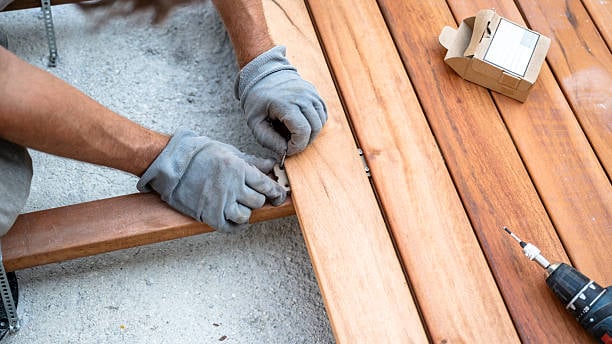
Pressure-treated lumber is affordable and strong, while cedar offers a warmer look and natural resistance to rot. Both need regular sealing or staining to stay in good shape. They suit homeowners who enjoy a traditional appearance and do not mind periodic upkeep.
Composite and PVC Decking
Composite boards resist fading, splintering, and moisture, so they need little more than occasional washing. They cost more upfront, but many owners find that lower maintenance balances the price over time. They also hold up well to the humid summers and freeze-thaw winters common in the Ohio Valley.
Planning the Layout and Size
Think About How You Will Use It
Picture your real routine. Do you host large groups, or mostly relax with family? A dining area, a grill station, and a lounge corner need different amounts of space, and listing your priorities first keeps the design practical.
Plan Traffic Flow
Doors, stairs, and walkways should feel natural. Guests should reach the grill and seating without squeezing past chairs, and the deck should connect smoothly to the yard or patio below.
Leave Room for Furniture
A common mistake is building a deck that looks large on paper but feels cramped once a table and chairs arrive. Measure your furniture and leave comfortable walking space around it before finalizing dimensions.
Permits, Codes, and Footings
Check Local Requirements
Most decks need a permit, and rules differ by city and county. Contact your local building office early to confirm what is required, including setbacks and inspection steps. Skipping this can lead to fines or trouble when you sell the home.
Why Footings Matter
Footings anchor your deck and keep it level through seasonal ground movement. They must extend below the local frost line to prevent shifting and heaving. Strong footings are invisible once the deck is done, yet they make the biggest difference to its lifespan.
Railings, Lighting, and Finishing Touches
Safety First With Railings
Railings protect family and guests, and codes often require them above a certain height. Choose a style that is safe and also fits your view, whether classic balusters, cable, or glass panels.
Lighting for Evening Use
Low-voltage stair and post lights make evenings safer and more welcoming. Subtle lighting highlights your design and lets you enjoy the space long after sunset.
Caring for Your Deck Over the Years
Seasonal Cleaning Routine
Sweep debris regularly, wash the surface in spring, and clear leaves from the gaps between boards. Trapped moisture is the biggest enemy of any deck, so keeping it clean and dry goes a long way.
Sealing, Staining, and Repairs
Wood decks benefit from fresh sealant every year or two. Inspect fasteners, railings, and stair treads each season, and fix small problems before they grow. A few hours of care can add many years to your deck.
Working With a Builder You Can Trust
What a Strong Quote Includes
A detailed quote lists materials, labor, permits, timelines, and warranty terms. When you compare bids for deck building in Taylor Mill KY, look beyond price and make sure each one covers the same scope of work.
Signs of Good Craftsmanship
Ask to see past projects and read reviews from neighbors. Look for tight board spacing, clean cuts, solid railings, and tidy fastener work. Honest communication and clear answers are good signs that a builder stands behind their work.
Final Thoughts
The best deck matches your habits, your budget, and your climate. When you are ready to turn your ideas into plans, connect with a reliable local team for deck building in Taylor Mill KY that will guide you from design to final walkthrough.
Frequently Asked Questions
How long does it take to build a deck?
Most standard decks take one to three weeks once materials arrive, depending on size and complexity. Covered decks and custom designs can take longer. Permit approval and weather also affect the schedule, so ask your builder for a realistic timeline.
What is the best time of year to build?
Spring through fall is the most popular window, but many builders work year-round when conditions allow. Booking in late winter can help you secure a spot before the busy season. Off-season projects sometimes move faster because schedules are lighter.
Does a deck add value to my home?
A well-built deck usually improves curb appeal and expands usable living space, which appeals to buyers. The return depends on materials, design, and local market conditions. Quality construction and a clean finish matter more than size alone.
How much maintenance does a deck need?
Wood decks need cleaning and sealing every year or two, while composite decks mostly need occasional washing. Check for loose boards, nails, and railings at least once a season. Small, regular care prevents costly repairs later.