



Fashion photography helps brands showcase products, attract customers, and establish a recognizable identity. From e-commerce product pages to social media posts and advertising campaigns, each image serves a different purpose. A fashion photography image mix report helps brands identify the visuals they need, allocate production budgets effectively, and maintain consistency across marketing channels.
Successful photography requires more than attractive images. Brands need a balanced combination of product-focused photography, lifestyle visuals, and creative campaign imagery that supports customer expectations and business goals.
Key Takeaways
- E-commerce photography highlights product details, fit, and color accuracy.
- Social media images encourage engagement and showcase brand personality.
- Campaign photography builds emotional connections and brand recognition.
- Planning image requirements reduces reshoots and improves asset reuse.
- Performance analysis helps brands refine future photography strategies.
What Brands Need from Fashion Photography
E-Commerce Photography Prioritizes Product Clarity
E-commerce photography helps customers evaluate clothing without physically examining it. Brands should include front, back, and side views, along with close-ups of stitching, buttons, fabric textures, and distinctive design features.
Model photography demonstrates garment fit, proportions, and movement. Consistent lighting, backgrounds, and framing also make products easier to compare. Accurate colors and realistic retouching are essential because misleading images can create incorrect expectations and increase customer dissatisfaction.
Brands should establish image specifications, including resolution, aspect ratios, file formats, and naming conventions, before production begins.
Social Media Photography Requires Variety
Social media fashion photography must capture attention while communicating brand personality. Fashion brands can combine polished editorial images with behind-the-scenes content, outfit combinations, candid moments, and styling inspiration.
Carousels can showcase complete outfits alongside garment details and alternative styling options. Vertical compositions support Stories and short-form video placements, while other formats suit different advertising and feed requirements. Incorporating portrait photography into social media content allows brands to showcase models, highlight styling details, and create more personal connections with their audiences.
Campaign Photography Builds Brand Identity
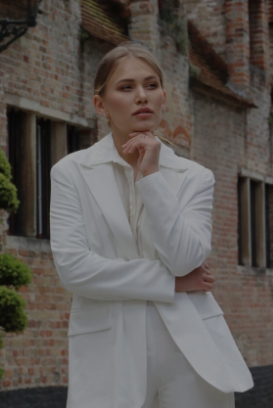
Campaign photography communicates a collection’s creative direction and emotional appeal. Seasonal launches, product releases, and promotional campaigns often use distinctive locations, expressive poses, dramatic lighting, and coordinated styling.
Brands can also extend their visual storytelling through event photography, capturing fashion shows, collection launches, pop-up events, and exclusive brand gatherings.
Brands should capture hero images alongside supporting portraits, full-length photographs, accessory details, and environmental shots. These additional assets provide flexibility across websites, advertisements, email campaigns, and social media.
Create a Balanced Image Mix
A fashion photography image mix report should connect each image category to its intended marketing purpose. Although requirements vary by brand, a practical starting point for a collection shoot might allocate 40% of deliverables to e-commerce, 35% to social media, and 25% to campaigns and advertising.
These percentages are planning estimates rather than universal industry benchmarks. Retailers with extensive product catalogues may need more product photography, while designer labels may prioritize campaign imagery.
The goal is to ensure that each channel receives appropriate assets without unnecessary duplication. Shopify’s photography guidance also emphasizes the importance of consistent visual presentation when building a recognizable online brand.
Plan Images for Multiple Formats
Fashion photography planning should begin with distribution requirements. Brands need to identify which assets will appear on product pages, website banners, paid advertisements, email newsletters, and social media platforms.
Coordinating fashion and corporate photography helps brands maintain a consistent visual identity across product campaigns, company websites, email newsletters, and professional communications.
A horizontal image may work well on a website banner but lose important details when cropped vertically. Capturing alternative orientations and leaving sufficient negative space helps teams adapt photographs to different placements.
Post-production standards are equally important. Accurate color correction, realistic retouching, organized file names, and consistent export settings improve usability. Brands should also confirm usage rights for models, photographers, locations, and other protected elements.
Measure Performance and Improve Future Shoots
Photography decisions should support measurable marketing objectives. E-commerce teams can monitor product-page engagement, conversion rates, and customer feedback. Social media teams can evaluate saves, shares, and engagement, while advertising teams can compare click-through rates and acquisition costs.
Results should be interpreted according to each image’s purpose. Campaign photography may increase brand awareness, whereas detailed product images may help customers make purchasing decisions.
Reviewing performance after each launch helps brands identify missing product views, improve creative direction, and prioritize effective image formats for future shoots.
Wrap Up
A fashion photography image mix report helps brands coordinate product photography, social media content, and campaign visuals around clear business objectives. E-commerce images improve product understanding, social media photography encourages discovery, and campaign imagery strengthens brand recognition.
By planning image requirements, maintaining accurate product representation, adapting assets for different formats, and measuring performance, fashion brands can build a versatile photography library that supports marketing efficiency and long-term growth.
Frequently Asked Questions
What is a fashion photography image mix report?
It identifies the types, quantities, formats, and intended uses of photographs required across e-commerce, social media, advertising, and campaigns.
Which images are essential for fashion e-commerce?
Front, back, and side views, model photographs, close-up details, and relevant lifestyle images help customers evaluate garments.
How many images should a fashion brand produce per shoot?
The required number depends on collection size, product variations, marketing channels, and campaign objectives. A detailed shot list helps determine the appropriate quantity.
How does fashion photography differ from wedding photography?
Fashion photography showcases clothing and style, while a wedding photographer captures special moments, bridal details, and wedding memories.