







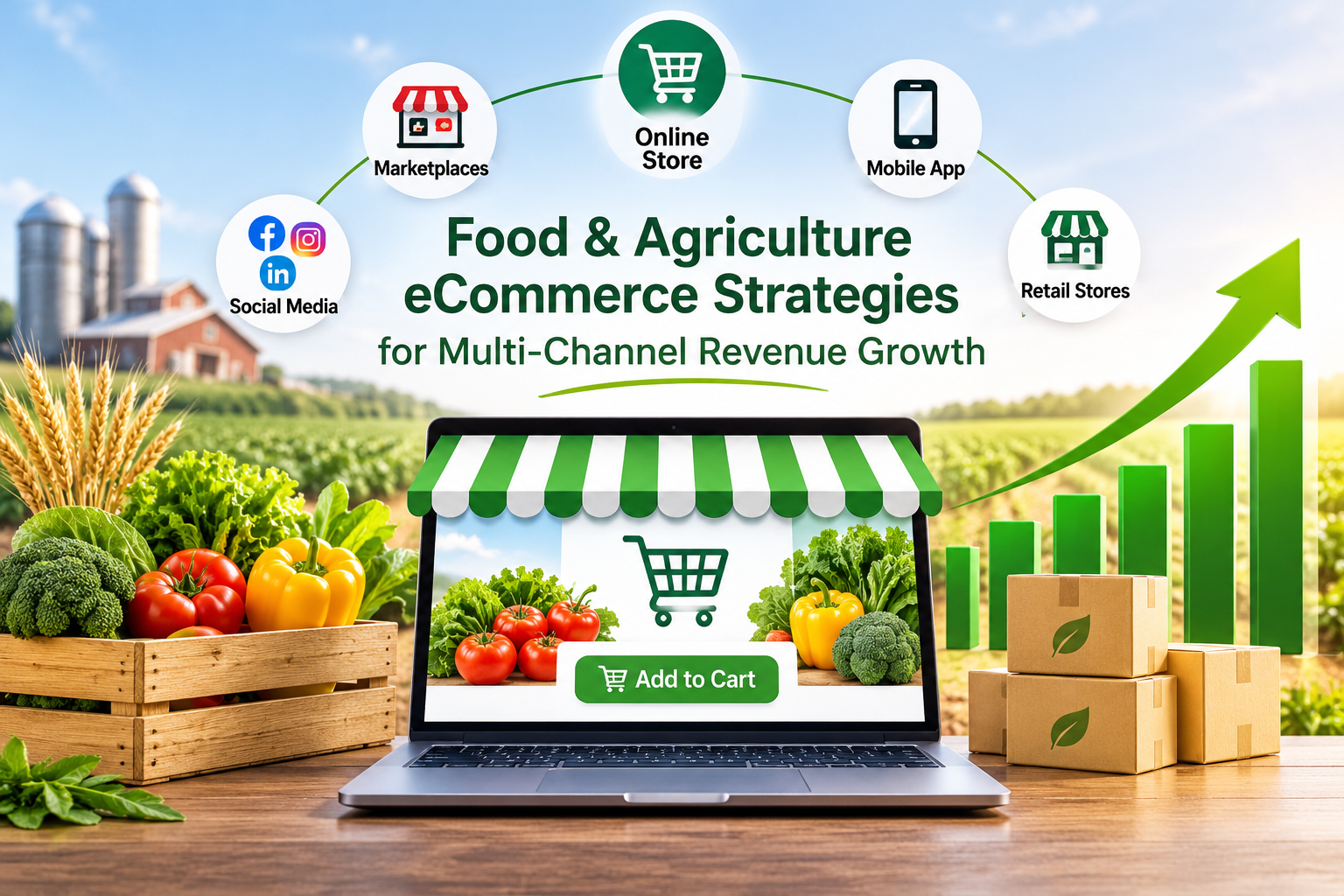
Selling food and agricultural products online used to mean one website and a hopeful wait for orders. Today, buyers discover products on search engines, marketplaces, social platforms, wholesale portals, and subscription services, often switching between them before purchasing. A brand that relies on a single channel leaves revenue on the table and becomes vulnerable when one platform changes its fees, rules, or algorithm. Multi-channel growth spreads that risk while reaching more customers where they already shop. For producers, manufacturers, and distributors, the challenge is greater than for typical retailers, because perishability, cold chain logistics, variable weights, and compliance rules complicate every sale. This article outlines practical strategies for building a connected, multi-channel eCommerce operation, from choosing the right channels and unifying product data to personalizing marketing, streamlining fulfillment, and measuring the results that actually drive profitable growth.
Why Multi-Channel Selling Matters in Food and Agriculture
Food buyers rarely follow a straight path. A chef might find your product through a search, ask a distributor about it, and then reorder through your wholesale portal. A household shopper may try a sample on a marketplace, then subscribe directly on your website for better pricing. Each channel plays a different role, and together they build trust and repeat purchases. Multi-channel selling also protects margins. Direct sales keep more profit and customer data, while marketplaces and distributors provide reach and credibility. Wholesale accounts bring predictable volume, and retail partners expand brand awareness. Diversification matters for seasonal businesses as well, since demand for produce, holiday foods, and gift boxes rises and falls through the year. Businesses that sell across several channels can shift effort toward whichever one performs best, instead of depending on a single source of orders.
Building a Strong Foundation for Growth
A multi-channel strategy works best when the foundation is solid. Working with an eCommerce & Marketing Agency for Agriculture & Food helps brands avoid the expensive trial and error that comes from expanding too quickly. A specialist agency understands catch weights, cold chain shipping, wholesale pricing tiers, and seasonal availability, so it can design systems that fit your products. It can audit your current sales, identify the channels with the strongest potential, and build a roadmap that connects your website, marketplaces, wholesale portal, and marketing campaigns. This partnership also saves internal time, because strategy, design, advertising, and technology are handled by a team that works together. Instead of juggling separate freelancers and tools, you get a unified plan with clear priorities, measurable goals, and consistent branding across every place your customers find you.
Core Channels to Build
Direct-to-Consumer Websites and Subscriptions
Your own website is the foundation of every channel because you control the brand, pricing, and customer relationship. Optimize product pages with clear photos, origin stories, sourcing details, and shipping information that reassures shoppers about freshness. Offer flexible delivery windows, weight-based pricing where needed, and gift options for seasonal peaks. Subscriptions deserve special attention, because recurring orders for meat boxes, produce, coffee, or pantry staples create predictable revenue and lower acquisition costs. Let customers skip, swap, or pause deliveries so the program feels convenient rather than restrictive. Collect first-party data through accounts, quizzes, and order history, then use it for email and text campaigns that recommend relevant products. Strong search optimization on category, recipe, and guide pages brings in steady organic traffic that continues paying off long after the content is published.
Wholesale Portals and B2B Ordering
Wholesale buyers want speed and reliability, not shopping carts built for consumers. A dedicated B2B portal lets restaurants, grocers, and distributors log in, see their negotiated prices, reorder past purchases, and check inventory in real time. Include features that suit food businesses, such as case and pallet ordering, minimum order rules, delivery day selection, and net payment terms. Quick reorder lists and standing orders reduce the time buyers spend ordering each week. Integrate the portal with your ERP or accounting system so inventory, invoices, and customer records stay accurate without manual entry. Sales reps can also place orders on behalf of customers, which keeps relationships personal while still capturing everything in one system. A smooth wholesale experience turns occasional buyers into loyal accounts and gives you predictable, high-volume revenue that balances the more variable direct-to-consumer channel.
Marketplaces, Social Commerce, and Retail Partnerships
Marketplaces and social platforms extend your reach to shoppers who have never heard of your brand. Amazon, Walmart Marketplace, and specialty food platforms offer built-in traffic, but they also bring fees, strict listing rules, and limited customer data. Treat them as discovery channels, and use packaging inserts, QR codes, and branded storytelling to invite buyers to your own site. Social commerce deserves a place in the plan too. Short videos showing harvests, recipes, and behind-the-scenes production build trust, and shoppable posts shorten the path from inspiration to purchase. Retail and foodservice partnerships add credibility, so keep consistent product images, descriptions, and pricing rules across every partner. Because each channel has different requirements, centralize your product information in one source and push updates outward, which prevents mismatched listings and keeps the customer experience consistent everywhere.
Operations, Data, and Measurement
Growth across channels only works if operations keep pace. Start with unified inventory, so a case sold through a marketplace immediately reduces stock available on your website and wholesale portal. Set clear cutoffs, shipping zones, and packaging standards for perishables, and communicate delivery expectations before checkout to reduce complaints. Connect your store, email platform, and accounting software so customer and order data flows automatically. Then measure what matters. Track revenue, margin, customer acquisition cost, repeat purchase rate, and lifetime value by channel, rather than looking only at total sales. A channel that looks large may be unprofitable once fees and shipping are included. Review results monthly, double down on strong performers, and test improvements gradually. Reliable data helps you invest in the right places and avoid spreading your budget across channels that never pay back.
Conclusion
Multi-channel growth is not about being everywhere at once. It is about choosing the right mix of channels, supporting each with accurate data and dependable operations, and measuring results honestly. Begin by strengthening your website and wholesale portal, then add marketplaces, social commerce, and retail partnerships one at a time as your systems mature. Keep branding, pricing logic, and product information consistent so customers recognize and trust you wherever they buy. Use subscription programs and email marketing to turn first purchases into lasting relationships, and rely on channel-level reporting to guide your budget. Food and agriculture brands that build this connected foundation become more resilient, more visible, and more profitable. With a clear plan and the right expertise, you can turn every channel into a steady source of revenue and every customer into a repeat buyer.