






Green Energy in India: Driving the Transition Towards a Sustainable Future
India’s growing energy requirements have made sustainable power generation an important part of its development journey. As industries expand, cities grow, and electricity consumption increases, the need for reliable and environmentally responsible energy sources continues to rise. Traditional power generation methods have supported economic progress for decades, but their environmental impact has encouraged greater attention toward renewable alternatives. This shift has placed Green Energy in India at the center of conversations about energy security, environmental responsibility, and long-term development.
Understanding the Importance of Green Energy
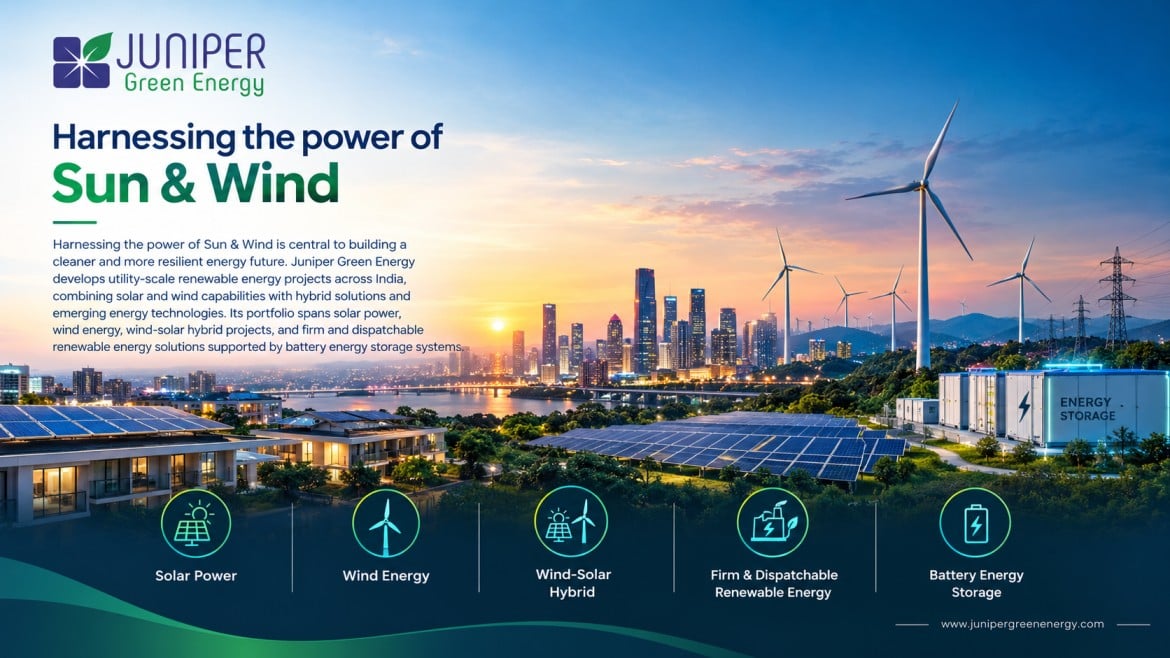
Green energy refers to electricity and power generated through naturally replenished resources such as sunlight and wind. Unlike conventional fossil fuels, these resources produce electricity without requiring continuous fuel extraction and combustion. Solar and wind energy have become particularly important because they offer opportunities to generate power while reducing dependence on carbon-intensive sources.
For a country like India, renewable energy development has several advantages. It supports a more diversified electricity supply, encourages investment in modern infrastructure, and contributes to environmental sustainability. The expansion of clean energy also creates opportunities for technological development, skilled employment, and industrial growth.
Solar and Wind Energy: Two Important Sources of Clean Power
Solar energy has significant potential in India because many regions receive substantial sunlight throughout the year. Solar panels convert sunlight into electricity, making them suitable for utility-scale power plants, commercial installations, and residential applications. Improvements in solar technology have also helped make power generation more efficient and accessible.
Wind energy is another important contributor to renewable electricity generation. Wind turbines convert the movement of air into electrical power. Regions with favorable wind conditions can support large wind energy installations that supply electricity to the grid.
Combining solar and wind resources can improve the overall renewable energy mix. Since sunlight and wind availability vary throughout the day and across seasons, developing multiple renewable sources can help create a more balanced power generation system.
How Green Energy Supports India’s Economic Development
The growth of renewable energy is closely connected with India’s economic ambitions. Developing solar and wind projects requires investment in land development, engineering, equipment, construction, operations, and maintenance. These activities create employment opportunities across different stages of the energy value chain.
Renewable energy infrastructure can also attract domestic and international investment. As more projects are developed, demand increases for advanced technologies, efficient equipment, energy management systems, and skilled professionals. This creates opportunities for businesses operating in manufacturing, construction, logistics, and technical services.
Another important benefit is energy diversification. Depending heavily on a limited number of energy sources can create challenges when fuel prices fluctuate or supply conditions change. Renewable power generation provides an additional source of electricity and supports a more diversified energy ecosystem.
The Role of Renewable Energy Companies in India
The transition toward cleaner electricity requires more than favorable natural conditions. It also depends on companies that can plan, develop, construct, and operate renewable energy projects. Renewable energy developers play an important role in converting India’s solar and wind potential into practical power generation capacity.
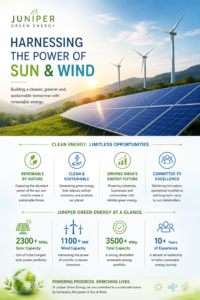
Companies such as Juniper Green Energy contribute to this developing sector through their focus on renewable energy infrastructure. Their work reflects the growing importance of private-sector participation in expanding clean electricity generation.
Learning about the work of Juniper Green Energy also provides insight into the broader role of renewable energy developers in supporting India’s transition. Such organizations are part of an industry that requires technical expertise, project planning, investment, and a long-term approach to sustainable power generation.
Challenges in Expanding Renewable Energy
Although renewable energy offers considerable potential, its expansion also involves practical challenges. Solar and wind power generation depends on weather conditions, which can create variations in electricity supply. Energy storage systems, improved forecasting, and better grid management are important for addressing these fluctuations.
Transmission infrastructure is another key requirement. Renewable energy projects are not always located close to major electricity consumption centers. Efficient transmission networks are therefore necessary to transport generated power to the places where it is needed.
Project financing, land availability, equipment supply, and regulatory processes can also influence development timelines. Addressing these issues through effective planning, technological improvements, and industry collaboration will be important for the continued growth of clean energy.
The Future of Green Energy in India
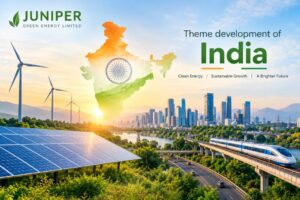
India’s renewable energy future will depend on continued investment, innovation, and effective energy policies. Improvements in solar panel efficiency, wind turbine technology, battery storage, and smart grid infrastructure can make renewable electricity more dependable.
Hybrid renewable energy projects that combine solar and wind generation are also gaining importance. These projects can use complementary energy resources to improve generation profiles and make better use of available infrastructure.
Green hydrogen and other emerging clean energy technologies may further expand the possibilities for sustainable energy use, particularly in industries where reducing emissions is challenging.
The development of renewable energy is not simply about installing more solar panels or wind turbines. It involves building an integrated energy system that can meet growing electricity requirements while supporting environmental and economic priorities.
Conclusion
Green energy is becoming an essential part of India’s long-term development strategy. Solar and wind power offer practical opportunities to diversify electricity generation, reduce dependence on fossil fuels, and support a cleaner environment. While challenges related to storage, transmission, and project development remain, continued innovation and investment can strengthen the renewable energy sector.
The contribution of renewable energy developers, along with supportive infrastructure and responsible energy planning, will help shape India’s transition toward sustainable power generation. A consistent focus on clean energy today can support a more resilient and environmentally responsible energy future for the country.