






Outdoor concrete surfaces are exposed to regular foot traffic, rain, sunlight, dirt, and changing temperatures. Over time, these conditions can affect both their appearance and performance. Smooth concrete can become particularly concerning in areas where water frequently collects, such as swimming pool surrounds, driveways, patios, and walkways.
For homeowners and business owners, maintaining a safe outdoor environment is just as important as keeping the property attractive. Choosing a suitable textured concrete coating can help improve surface grip while giving old or worn paving a fresh appearance.
Modern stone-based coatings offer a practical option for upgrading existing concrete. They are available in different colours and textures, allowing property owners to improve their outdoor spaces without always removing the original concrete. Before selecting a coating, it is worth understanding its benefits, suitable applications, and maintenance requirements.
Why Slip Resistance Matters for Concrete Surfaces
Concrete is a popular choice for outdoor areas because of its strength and versatility. However, not every concrete finish provides the same level of grip. Smooth surfaces may become slippery when wet, particularly around swimming pools, outdoor showers, entrances, and garden pathways.
Rainwater, splashed pool water, mud, and algae can further affect the condition of these surfaces. A slip-resistant finish introduces a suitable texture that can improve traction underfoot.
This is especially important for households with children, older residents, and visitors who regularly use outdoor areas. Commercial properties can also benefit from suitable textured paving in entrances, walkways, and other frequently accessed locations.
It is important to remember that no coating can guarantee complete protection against slipping. The right texture, proper installation, regular cleaning, and effective drainage all contribute to maintaining a safer surface.
Understanding Decorative Concrete Coatings
Decorative concrete coatings provide an opportunity to improve the appearance of an existing concrete area while adding a different surface finish. Stone-based systems are a popular option for people who prefer a natural appearance rather than plain grey concrete.
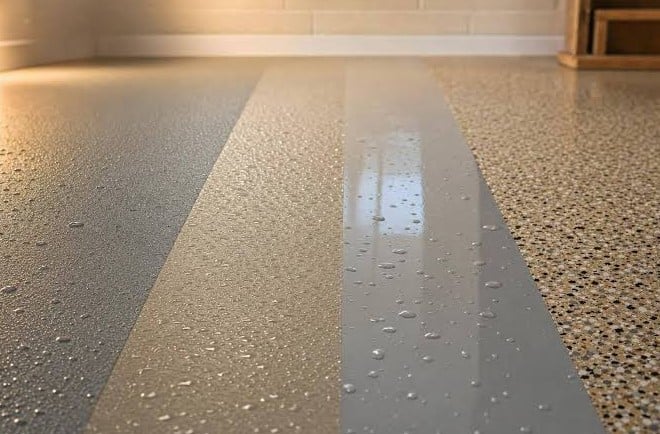
These coatings use selected stone aggregates combined with a suitable binding material to create a textured finish. Different stone sizes, colours, and combinations allow homeowners to choose an appearance that complements their property.
Natural stone options can include granite, sandstone, blue stone, terracotta, black, mocha, and mixed-colour finishes. Lighter colours can create a fresh and open appearance, while darker combinations can provide a stronger contrast against walls, gardens, and exterior features.
The texture also makes these finishes suitable for a range of outdoor applications. However, the appropriate product should always be selected according to the intended use and the manufacturer’s recommendations.
Benefits of Permeable Stone Coatings
Water management is one of the main considerations when choosing outdoor paving. Traditional concrete does not allow water to pass through its surface in the same way as permeable paving systems.
When rainwater cannot drain properly, it may collect in low areas and create puddles. This can make walkways and outdoor entertainment areas less convenient to use.
Permeable stone coatings are designed to allow water to pass through the surface and reach the underlying drainage layer or suitable ground. This can help reduce surface water accumulation and manage stormwater runoff.
For Melbourne properties, this feature can be useful during periods of regular rainfall. Permeable paving may also help reduce the amount of water directed towards conventional stormwater drainage systems.
Another advantage is the combination of water drainage and decorative appearance. Property owners can choose a stone finish that suits their outdoor design while considering the practical needs of the area.
Proper installation remains essential. The underlying base, ground conditions, drainage arrangements, and surface preparation must all be suitable for the selected system.
Suitable Areas for Slip-Resistant Concrete Coatings
Different outdoor areas have different requirements. Choosing a coating based on where it will be installed can help achieve a better result.
Swimming pool surrounds: Pool areas regularly experience splashing and wet foot traffic. A suitable textured finish can improve underfoot grip while creating an attractive border around the swimming pool. Permeable paving can also help manage water around the pool.
Driveways: Driveways need a durable surface that can handle regular vehicle movement. A suitable coating can refresh old concrete while providing an alternative to a plain concrete finish. The selected system must be designed for the expected vehicle loads.
Patios and alfresco areas: Outdoor entertainment spaces are frequently used for family gatherings and everyday relaxation. Decorative stone finishes can create a more attractive environment while providing a practical surface for regular use.
Walkways and garden paths: These areas connect different parts of a property and often experience exposure to rain, leaves, and soil. A properly installed textured surface can make pathways easier to maintain.
Steps and entrances: Worn or damaged concrete steps can affect both appearance and everyday access. Repairs and suitable paving finishes can help improve the condition of these areas.
Choosing the Right Coating in Melbourne
When comparing Slip resistant concrete coatings Melbourne, property owners should look beyond the colour and appearance of the finished surface. The material, texture, expected traffic, drainage requirements, and installation method all deserve attention.
Melbourne weather can change considerably throughout the year. Outdoor surfaces may experience strong sunlight, regular rainfall, and temperature variations. A suitable coating should be selected with these conditions in mind.
For pool surrounds and other wet areas, ask about slip-resistance testing and the product’s performance under wet conditions. A surface that provides good grip when dry may behave differently when covered with water.
The colour of the coating is another consideration. The finish should complement the building, surrounding paving, garden, and outdoor furniture. Requesting physical samples can help you understand how different stone combinations look in natural light.
It is also useful to discuss the expected lifespan, cleaning requirements, repair options, and any restrictions regarding vehicle or pedestrian access after installation.
Why Surface Preparation Is Important
The condition of the existing concrete has a major impact on the final coating. Applying a new finish without proper preparation can lead to problems with bonding, uneven coverage, and premature deterioration.
The first step is to inspect the concrete for cracks, loose sections, surface movement, oil stains, and other damage. Structural issues should be assessed before any decorative treatment is considered.
The surface must then be cleaned to remove dirt, dust, grease, and loose materials. Depending on the condition of the concrete, mechanical preparation or additional repairs may be necessary.
Cracks and damaged areas should receive appropriate attention before the new coating is installed. The surface may also need grinding to create a suitable base for the chosen system.
Moisture levels and drainage should be checked as part of the preparation process. Applying a coating over an unsuitable surface may affect its performance.
Professional installation can help ensure that the preparation, materials, and application method are appropriate for the project.
Maintaining a Slip-Resistant Surface
Regular care helps preserve the appearance and performance of decorative concrete coatings. Although stone-based finishes are designed for outdoor use, they still require basic maintenance.
Sweeping away leaves, dust, and loose dirt can prevent debris from building up. Occasional washing with suitable cleaning products can help remove stains and general surface contamination.
Areas that remain shaded or damp may need more frequent attention because algae and other organic growth can develop over time. These deposits should be removed using cleaning methods recommended for the coating.
Avoid harsh chemicals and unsuitable cleaning equipment that could damage the surface or affect the binding material. It is also worth checking the manufacturer’s instructions before applying any cleaning solution.
Inspect the coating periodically for loose stones, cracks, peeling, or other signs of damage. Addressing minor problems early can help prevent more extensive repairs.
For permeable surfaces, keeping the open spaces between the stone aggregates free from excessive debris is particularly important for maintaining drainage performance.
What to Consider Before Starting a Coating Project
Before organising a concrete coating project, assess the size and condition of the area. Consider how frequently it will be used, whether vehicles will access it, and how much exposure it receives to rain and sunlight.
Ask the contractor to explain the recommended coating system and why it is suitable for your location. Find out what preparation is included, whether existing cracks will be repaired, and how long the installation and curing process will take.
Request a detailed quotation that explains the materials, labour, surface preparation, and any additional work required. Comparing quotations based on their complete scope can help you make a more informed decision.
Most importantly, do not choose a finish based on appearance alone. A decorative surface should also meet the practical requirements of the property.
Create a More Practical and Attractive Outdoor Space
Concrete coatings provide an effective way to refresh tired outdoor areas and improve their overall appearance. With suitable textures, decorative stone options, and permeable paving systems, property owners can create surfaces that combine visual appeal with everyday functionality.
Whether you are upgrading a driveway, renovating a pool surround, improving garden pathways, or refreshing an alfresco area, selecting the right coating is essential.
Careful surface preparation, suitable materials, professional installation, and regular maintenance all contribute to a successful project. By considering safety, drainage, and appearance together, Melbourne property owners can create outdoor spaces that remain practical and attractive for years to come.