




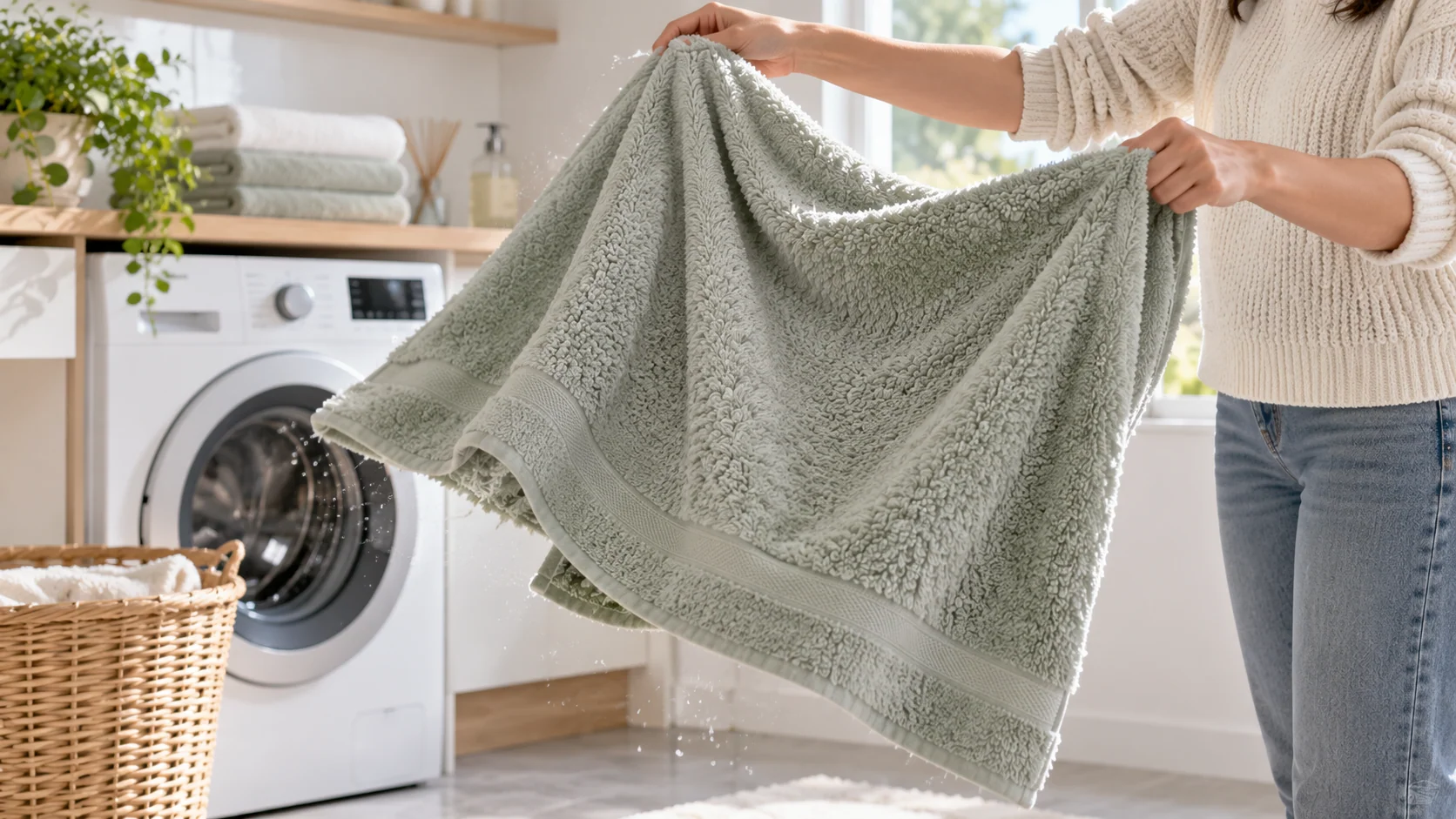
Freshly washed towels should feel comfortable, fluffy, and gentle against the skin. However, many people notice that their towels gradually lose their softness after repeated laundry cycles. What once felt like a thick, luxurious towel can become stiff, rough, and less absorbent. This change is not always a sign that the towels are old. In many cases, everyday washing and drying habits are responsible.
Understanding How to Keep Towels Soft After Every Wash requires more than choosing a good laundry detergent. The amount of water, washing machine settings, rinsing process, drying technique, and even the way towels are handled after washing can influence their texture.
The good news is that maintaining soft towels does not require an expensive laundry routine. A few practical adjustments can help protect fabric fibers, reduce residue, and preserve absorbency. Here are some effective ways to keep towels comfortable after every laundry cycle.
Understand Why Towels Become Rough After Washing
Before changing your laundry routine, it helps to understand why towels lose their softness. Most towels are made with looped fibers designed to absorb moisture and provide a comfortable feel. These loops can become coated with detergent residue, mineral deposits, and fabric conditioner over time.
Hard water is another common reason for rough towels. It contains minerals that can accumulate in fabric fibers and make them feel less flexible. Incorrect drying methods can also contribute to stiffness, especially when towels are exposed to excessive heat or left compressed while drying.
Identifying these problems makes it easier to choose the right washing and drying methods. Instead of repeatedly buying new towels, you can improve the way you care for the ones you already own.
1. Prepare Towels Properly Before Washing
Good towel care begins before the washing machine starts. One useful habit is to separate towels from other laundry items. Washing towels with lightweight clothing, delicate fabrics, or garments containing zippers can create unnecessary friction.
Heavy towels also need sufficient room to move during the washing process. When mixed with different fabric types, they may not receive the same cleaning and rinsing conditions.
Separate white towels from darker and brightly colored ones to prevent unwanted color transfer. It is also helpful to shake towels gently before placing them in the machine. This removes loose dust, lint, and debris while allowing the fabric to open up.
Preparing towels properly creates better conditions for washing and helps maintain their original texture over time.
2. Select a Suitable Washing Machine Cycle
The washing machine setting can make a significant difference in how towels feel after laundry. Choosing an unsuitable cycle may result in insufficient cleaning, excessive agitation, or unnecessary wear.
Most everyday cotton towels can be washed using a normal or cotton cycle, depending on the manufacturer’s care instructions. Some machines also provide dedicated towel or bedding programs designed for heavier fabrics.
Avoid choosing an extremely short cycle when towels are heavily soiled. They need enough time and water movement for proper cleaning. At the same time, unnecessarily long or aggressive cycles may contribute to fabric wear.
An additional rinse option can be helpful when detergent residue is a recurring problem. This is particularly useful for households where towels frequently come out feeling stiff despite being freshly washed.
Choosing an appropriate washing cycle helps maintain the balance between effective cleaning and fabric protection.
3. Pay Attention to Water Quality
Water quality is an important but often overlooked part of towel care. In areas where hard water is common, mineral deposits can gradually accumulate in fabric fibers. These deposits may make towels feel rough even when the washing process is otherwise correct.
If your towels consistently feel stiff after washing, hard water could be one of the contributing factors.
A suitable laundry water-softening product may help reduce the effects of mineral deposits. Choose a product compatible with your washing machine and follow its instructions carefully.
You can also check whether your household water supply is hard through a water testing kit. Understanding the water quality helps you make better decisions about detergent quantity and laundry products.
Addressing hard water problems can be one of the most useful Tips To Keep Towels Soft, especially when ordinary washing adjustments are not producing the desired results.
4. Rinse Towels Thoroughly
Washing removes dirt and body oils, but rinsing is equally important. If detergent remains trapped between towel fibers, the fabric may become stiff and less absorbent.
This is why using the correct amount of detergent matters. Adding more detergent does not automatically produce cleaner towels. In fact, excessive amounts can make rinsing more difficult.
Avoid filling the washing machine beyond its recommended capacity. Overloaded drums restrict movement and prevent water from circulating properly.
If your machine has an extra-rinse setting, consider using it when towels have detergent buildup or when you are washing a larger load.
Thorough rinsing helps remove leftover cleaning products and leaves the fabric feeling fresher. It also supports better absorbency, which is one of the most important qualities of a good bath towel.
5. Avoid High Heat During Drying
Drying is one of the most important stages in maintaining towel softness. Although high heat can dry towels quickly, excessive temperatures may weaken fibers and contribute to shrinkage over repeated cycles.
If you use a tumble dryer, select a moderate heat setting suitable for your towel material. Avoid running the dryer longer than necessary, and remove towels once they are fully dry.
For people who prefer natural drying, choose a location with good airflow. Spread towels out rather than hanging them in a tightly folded position. This allows air to circulate through the fabric and helps prevent unpleasant odors.
You can also shake towels gently before placing them on a drying rack. This helps loosen compressed loops and gives the fabric a more relaxed texture.
The right drying method protects the fabric while helping towels maintain their comfortable feel.
6. Refresh Towels Without Overusing Laundry Products
When towels start feeling rough, many people immediately add more fabric softener or specialized laundry products. However, using too many products can create additional buildup.
Fabric conditioners may leave a coating on towel fibers, which can reduce their ability to absorb moisture. Instead of using them with every load, consider limiting or avoiding them when washing towels.
If you suspect detergent or mineral buildup, an occasional cleaning approach may help. Some households use plain white vinegar in the rinse cycle to address certain residues. However, check your washing machine manufacturer’s instructions before doing so, and never combine vinegar with chlorine bleach.
Another important step is maintaining the washing machine itself. Clean the detergent dispenser, door seal, and drum according to the manufacturer’s recommendations.
A clean machine and a simple laundry routine often provide better results than repeatedly adding extra products.
7. Handle Towels Correctly After Washing
The way towels are handled after washing can influence their freshness and texture. Leaving clean towels inside the washing machine for several hours can allow moisture to create unpleasant smells.
Remove towels promptly after the cycle finishes. Shake them gently to separate the fibers before transferring them to a dryer or drying rack.
Once completely dry, fold them loosely and place them in a clean storage area. Avoid packing towels tightly into cupboards because restricted airflow can contribute to musty odors if any moisture remains.
Between uses, hang bathroom towels where they can dry completely. A towel that remains damp for long periods may develop unpleasant smells and require more frequent washing.
These simple handling habits help preserve the benefits of a good laundry routine.
Choosing Towels That Stay Soft Longer
Laundry habits are important, but towel quality also matters. Different materials and fabric constructions respond differently to repeated washing.
Cotton towels are widely used because they offer a combination of absorbency, comfort, and durability. Their texture can vary depending on the cotton type, yarn construction, and manufacturing quality.
When purchasing new towels, consider their weight, stitching, material, and care instructions. A well-constructed towel with durable loops may maintain its appearance better with regular use.
Avoid choosing towels based only on how soft they feel in the shop. Some products have surface treatments that create an initially smooth sensation but may not provide the same experience after repeated washing.
Selecting suitable towels and following proper care instructions can help maintain their quality for longer.
Final Thoughts
Keeping towels soft after every wash is mainly about developing consistent laundry habits. Excessive detergent, hard water minerals, fabric conditioner buildup, unsuitable washing cycles, and incorrect drying methods can all affect towel texture.
By preparing towels properly, choosing suitable machine settings, rinsing thoroughly, controlling drying temperatures, and storing completely dry fabrics correctly, you can help preserve their softness and absorbency.
The most effective Tips To Keep Towels Soft do not involve complicated routines. They focus on protecting the fibers and avoiding common laundry mistakes. With regular care and attention to small details, your towels can remain fresh, comfortable, and pleasant to use after repeated washes.