







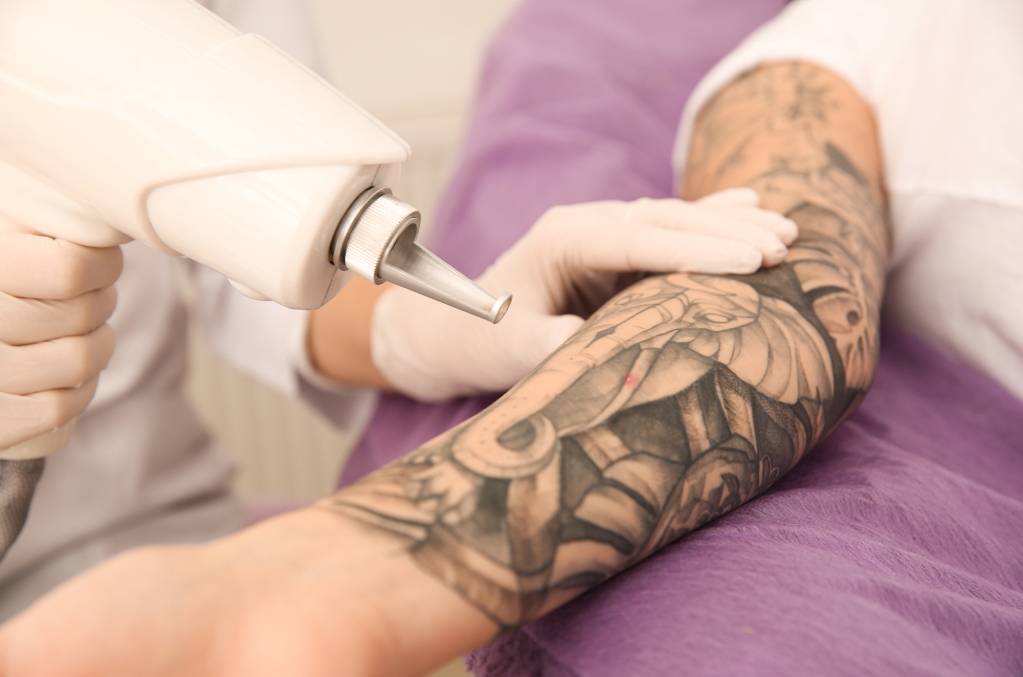
Preparing properly for a laser tattoo removal session is one of the most effective ways to support smooth skin recovery and achieve consistent fading results. When individuals explore Picosure Tattoo Removal in Abu Dhabi, understanding the necessary pre-treatment routine ensures the skin is in an ideal state before the laser energy targets the ink particles beneath the surface. Taking proactive steps in the weeks and days leading up to an appointment allows the skin barrier to remain calm, balanced, and receptive to the session.
-
Purpose of Preparation: Proper pre-session habits prepare the outer and inner layers of the skin so light energy can reach tattoo pigment efficiently.
-
Overall User Intent: Knowing exact timelines, skincare adjustments, hydration habits, and appointment-day routines removes uncertainty before visiting a specialist.
-
Informative Focus: Clear, actionable steps help individuals organize their skincare, clothing, and daily schedules ahead of time.
Understanding the Pre-Treatment Timeline
Preparing the skin is not something that happens purely on the morning of an appointment; rather, it follows a structured timeline starting several weeks in advance. Skin cells naturally renew over a multi-week cycle, and keeping the epidermis undisturbed during this window helps maintain an even, healthy surface. By organizing pre-care tasks into distinct phases, individuals can easily adjust their daily routines without feeling overwhelmed.
-
Four Weeks Before: Focus on strict sun avoidance, halting artificial tanning products, and protecting the tattooed area from ultraviolet exposure.
-
Two Weeks Before: Pause waxing, chemical depilatories, and any topical procedures that pull at hair follicles or thin the outer skin layer.
-
One Week Before: Discontinue strong active skincare ingredients such as retinoids, exfoliating acids, and physical scrubs on the tattooed skin.
-
Appointment Day: Arrive with completely clean, bare skin free from lotions, oils, perfumes, or sunscreens, dressed in loose-fitting garments.
Sun Protection and Tanning Restrictions
Limiting ultraviolet exposure is widely considered the cornerstone of laser tattoo removal preparation. Tanned skin contains elevated levels of active melanin, which absorbs light energy intended exclusively for the tattoo ink. Keeping the skin at its natural baseline tone allows the laser wavelengths to focus directly on the pigment particles without interference.
-
Direct Sunlight Avoidance: Keep the tattooed area covered with UV-protective clothing or stay in the shade for at least two to four weeks prior to the appointment.
-
Broad-Spectrum Sunscreen: Apply a mineral-based sunscreen with zinc oxide or titanium dioxide (SPF 30 or higher) whenever outdoors during the weeks leading up to treatment.
-
No Tanning Beds or Self-Tanners: Avoid indoor tanning booths, spray tans, bronzing lotions, and gradual tanning drops, as artificial dyes and UV rays alter surface pigment.
Managing Outdoor Activities Before Your Session
Everyday outdoor routines such as walking, driving, or exercising outside can unintentionally expose a tattoo to ambient sunlight. Planning ahead by choosing long sleeves, loose trousers, or breathable wraps prevents accidental tanning before the scheduled date.
-
Commuting Protection: Apply sunscreen to tattoos on the forearms, hands, neck, or ankles even when spending time inside a vehicle.
-
Exercise Timing: Schedule outdoor runs or sports early in the morning or after sunset when UV radiation is minimal.
-
Clothing Choices: Opt for tightly woven, lightweight fabrics that shield the tattoo without causing friction or overheating.
Skincare Adjustments and Product Restrictions
Modern skincare routines often include potent active ingredients designed to accelerate cell turnover and exfoliate dead skin. While beneficial for general complexion maintenance, these ingredients can make tattooed skin overly sensitive prior to a laser session. Temporarily simplifying the skincare regimen around the tattoo keeps the moisture barrier intact and resilient.
-
Pause Retinoids and Acids: Stop applying retinol, tretinoin, glycolic acid, salicylic acid, and lactic acid to the area five to seven days before treatment.
-
Skip Physical Exfoliants: Avoid loofahs, sugar scrubs, dry brushing, and microdermabrasion over the tattoo during the final week.
-
Use Gentle Cleansers: Wash the tattooed region daily with a mild, fragrance-free, non-abrasive cleanser and lukewarm water.
-
Maintain Light Hydration: Apply a basic, unscented moisturizer in the days leading up to the visit to prevent dry, flaky skin.
Hair Removal Guidelines for the Tattooed Area
Dense hair over a tattoo can interfere with laser delivery and absorb heat at the skin’s surface. However, the method and timing of hair removal matter significantly so that hair follicles are not irritated when the session begins.
-
Shaving Over Waxing: Shave the area carefully using a clean razor 24 to 72 hours before the appointment rather than waxing, plucking, or threading.
-
Avoid Chemical Depilatories: Do not use hair removal creams within two weeks of the session, as their alkaline formulas can sensitize the epidermis.
-
Check Skin Integrity: Ensure there are no razor nicks, ingrown hairs, or active rashes on the tattoo before arriving.
Lifestyle, Hydration, and Wellness Habits
PicoSure technology shatters tattoo ink into microscopic dust-like particles, after which the body’s lymphatic and immune systems naturally flush those fragments away. Supporting internal wellness before and during a removal series helps the body process shattered pigment efficiently. Healthy daily habits also keep the skin supple and balanced.
-
Consistent Water Intake: Drink plenty of water throughout the week prior to treatment to keep skin cells hydrated and support lymphatic circulation.
-
Balanced Nutrition: Incorporate antioxidant-rich fruits, vegetables, and lean proteins into meals to nourish overall tissue health.
-
Restful Sleep: Aim for seven to eight hours of quality sleep the night before the session so the body is well-rested.
-
Limit Dehydrating Beverages: Reduce excessive caffeine and alcohol intake 24 hours prior to the visit, as both can dehydrate the skin.
Reviewing Medications and Supplements
Certain oral medications and herbal supplements can heighten photosensitivity or affect how the skin responds during a session. Sharing an updated list of current prescriptions, over-the-counter products, and topical treatments during the consultation ensures personalized preparation guidance.
-
Photosensitizing Medications: Mention any recent use of antibiotics or prescription acne treatments well in advance of scheduling.
-
Over-the-Counter Pain Relievers: Discuss appropriate comfort options beforehand, as certain blood-thinning pain relievers are typically avoided right before treatment.
-
Skin Condition History: Note any history of cold sores near the treatment site or sensitivities to topical numbing agents.
What to Do on the Day of Your Appointment
Arriving prepared on the day of the session creates a calm, seamless experience from check-in to aftercare. Because the laser beam interacts directly with the skin surface, eliminating topical barriers and wearing practical attire makes a noticeable difference in comfort.
-
Cleanse Thoroughly: Shower beforehand and wash the tattoo with gentle soap, leaving the skin completely free of lotion, deodorant, makeup, oil, or sunscreen.
-
Eat a Light Meal: Have a balanced snack or meal an hour or two prior to prevent lightheadedness, especially if feeling nervous.
-
Dress Comfortably: Wear loose, soft, breathable clothing that provides easy access to the tattoo and will not rub against the area afterward.
-
Bring Aftercare Essentials: Pack clean, loose layers or sun-protective coverings for the trip home so the freshly treated skin stays shielded from sunlight.
Practical Clothing Tips by Tattoo Placement
Choosing the right outfit depends on where the tattoo sits on the body. Planning wardrobe choices the night before prevents tight seams or rough fabrics from touching the skin immediately after the session.
-
Upper Arm or Shoulder: Wear a sleeveless tank top, loose short-sleeve t-shirt, or an open button-down shirt.
-
Back, Chest, or Ribs: Choose a soft, oversized cotton shirt or zip-up hoodie that slips on and off effortlessly.
-
Lower Leg or Ankle: Opt for wide-leg trousers, loose shorts, or a flowy skirt paired with open-back footwear if the foot is treated.
Setting Realistic Expectations for the Removal Journey
Understanding how laser tattoo removal progresses helps individuals approach their first appointment with patience and confidence. Unlike getting a tattoo, which deposits ink in a single sitting, fading that ink relies on gradual biological clearance across multiple spaced-out sessions.
-
Multi-Session Process: Complete fading requires a series of appointments spaced several weeks apart so the body can clear fragmented ink between visits.
-
Influence of Ink Characteristics: Factors such as ink color, pigment density, tattoo age, layering, and body placement all influence how quickly fading becomes visible.
-
Scheduling Around Events: Avoid booking a session immediately before beach vacations, outdoor weddings, or major athletic events so the skin has ample time to settle.
Frequently Asked Questions (FAQs)
1. Can I apply numbing cream at home before arriving for my session?
It is best not to apply over-the-counter numbing creams at home unless specifically instructed beforehand. Many topical anesthetics need to be applied cleanly on-site for a precise duration and thoroughly wiped off before the laser touches the skin, as residual cream can interfere with the light beam.
2. Should I shave the hair over my tattoo before my appointment?
Yes, shaving any visible hair over the tattooed area one to two days before the appointment is recommended. Shaving keeps the surface smooth without disturbing the hair root, whereas waxing, tweezing, or depilatory creams should be avoided for at least two weeks beforehand.
3. Why is avoiding sun exposure so important prior to treatment?
Sunlight and tanning beds stimulate melanin production in the outer layers of the skin. Because laser wavelengths target pigment, elevated melanin from a fresh tan competes with the tattoo ink for light absorption, reducing session efficiency.
4. What should I eat and drink before coming in for my appointment?
Eating a light, nutritious meal and drinking plenty of water before the appointment helps keep blood sugar steady and skin hydrated. Staying well-hydrated also supports the lymphatic system, which is responsible for flushing away broken-down ink particles in the weeks following treatment.