





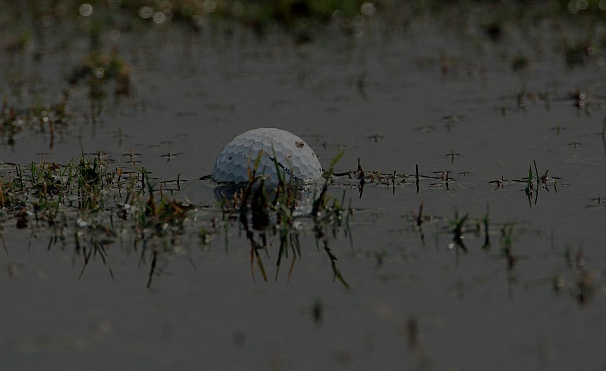
You can see a white shape beneath the pond’s surface, but every ripple makes it harder to judge where the ball sits. Reaching into cloudy water is not a good plan, and a short tool may offer little control from the bank.
A murky water retriever can make sense for this situation, provided it is designed to grip or capture balls you cannot see clearly. Recovery still depends on safe footing, water depth, and the tool’s reach.
So what should you do before extending the handle? Follow the steps below to approach ball recovery with more control and less guesswork.
Key Takeaways
- Inspect the retrieval equipment before attempting underwater golf ball recovery.
- Choose stable ground and maintain safe footing near water hazards.
- Search submerged areas systematically to locate balls despite poor visibility.
- Position the collection head correctly to capture golf balls securely.
- Clean and dry retrieval equipment after exposure to muddy water.
How to Use a Murky Water Retriever for Golf Ball Recovery
Inspect and Prepare Equipment
Before approaching the water, examine the murky water retriever for damaged telescopic sections, loose fittings, or corrosion. Extend the pole gradually and test each locking mechanism to ensure it holds firmly during operation.
Inspect the collection head for bent components or obstructions that could interfere with its function. Adjust the pole to an appropriate working length, keeping unused sections retracted for easier handling.
When purchasing from a ball retriever store, prioritize durable materials and dependable locking systems. These features distinguish reliable retrieval equipment from less specialized golf accessories.
Choose a Stable Position
Start by observing where the golf ball entered the water and identifying accessible points along the shoreline. Look for firm, level ground with sufficient space to operate the pole without nearby obstructions.
Keep your weight evenly distributed and maintain a comfortable distance from slippery banks or steep edges. Before proceeding, assess whether the murky water retriever can reach the estimated location while you remain upright.
Avoid standing on loose rocks, wet grass, or unstable soil. If the recovery requires entering the water or compromising your balance, leave the ball behind.
Locate Submerged Golf Balls
Underwater currents and sloping pond bottoms can move a golf ball away from its original landing point, making careful searching necessary. Cloudy water, accumulated sediment, and aquatic vegetation can prevent direct visual confirmation.
Lower the murky water retriever into the suspected area and make short, systematic passes along the bottom. Pay attention to changes in resistance that may indicate contact with a ball rather than surrounding debris.
Unlike a golf range retriever used to collect balls across practice areas, underwater recovery requires targeted searching. Work through adjacent sections to cover the area methodically without repeatedly disturbing the same location.
Secure the Golf Ball
Once contact indicates a possible ball, orient the collection head according to its mechanism. A scoop should approach from underneath, while certain cage designs capture the ball through downward pressure. Gripping models require proper alignment around the ball’s surface.
Guide the ball into the collection opening and engage the mechanism as directed by the manufacturer. Check for resistance or movement that indicates the ball has entered the collection head.
If the initial attempt fails, reposition the murky water retriever according to whether the ball rests against rocks, sediment, or within a shallow depression.
Lift and Maintain Equipment
Raise the extended pole gradually, avoiding sudden upward movements that could strain its joints or affect handling stability. Steer around underwater branches and vegetation to prevent the retrieval head from becoming entangled.
Once the head clears the water, bring it within comfortable reach and release the ball onto a suitable surface.
A golf ball collector exposed to muddy water requires cleaning after use. Flush sediment from the collection head, wipe down the telescopic sections, and inspect movable components for grit. Allow everything to dry before collapsing the pole for storage.
Conclusion
Recovering golf balls from cloudy ponds becomes more manageable when each step is approached carefully. Preparing the equipment, maintaining stable footing, and searching underwater areas methodically all contribute to a more controlled recovery process. The right collection technique also helps secure submerged balls without unnecessary disturbance.
Afterward, proper cleaning and storage keep the equipment ready for future use. Whether retrieving an occasional lost ball or recovering several during a round, a murky water retriever can make the task more practical. Always prioritize safe access, follow the equipment manufacturer’s instructions, and recognize when a ball is better left underwater.
FAQS
Can a murky water retriever work without clear visibility?
Yes. Depending on its design, the tool can locate and capture submerged golf balls through controlled movement and contact.
How deep can a murky water retriever reach?
Retrieval depth depends on pole length, operating angle, and collection head design. Always follow the manufacturer’s stated specifications.
Can golf balls be recovered from thick mud?
Recovery is possible when balls remain accessible, although deeply embedded balls may require excessive force and should be left undisturbed.
Which retrieval head works best in cloudy water?
Scoop, cage, and gripping designs offer different collection methods. The best choice depends on underwater conditions and tool compatibility.
How often should a golf ball retriever be cleaned?
Clean the retrieval head and telescopic sections after each muddy-water recovery session to prevent sediment buildup and maintain smooth operation.