





Uneven floors, vibration, and shifting equipment can create problems in workplaces where stability matters. A machine that rocks during operation may produce inconsistent results, while an unbalanced workbench can make everyday tasks less comfortable and less precise. These issues are not always caused by faulty equipment; sometimes, the supporting surface is the real problem. Installing properly selected leveling legs can help compensate for uneven floors and create a more stable foundation for machinery, furniture, and other equipment.
Leveling legs are useful in manufacturing facilities, commercial kitchens, laboratories, workshops, and many other environments. However, choosing the right type requires more than checking whether a leg can adjust in height. Load capacity, material, floor conditions, vibration, and operating requirements all influence performance. Understanding these factors helps equipment owners make practical decisions and avoid stability problems over time.
What Are Leveling Legs and How Do They Work?
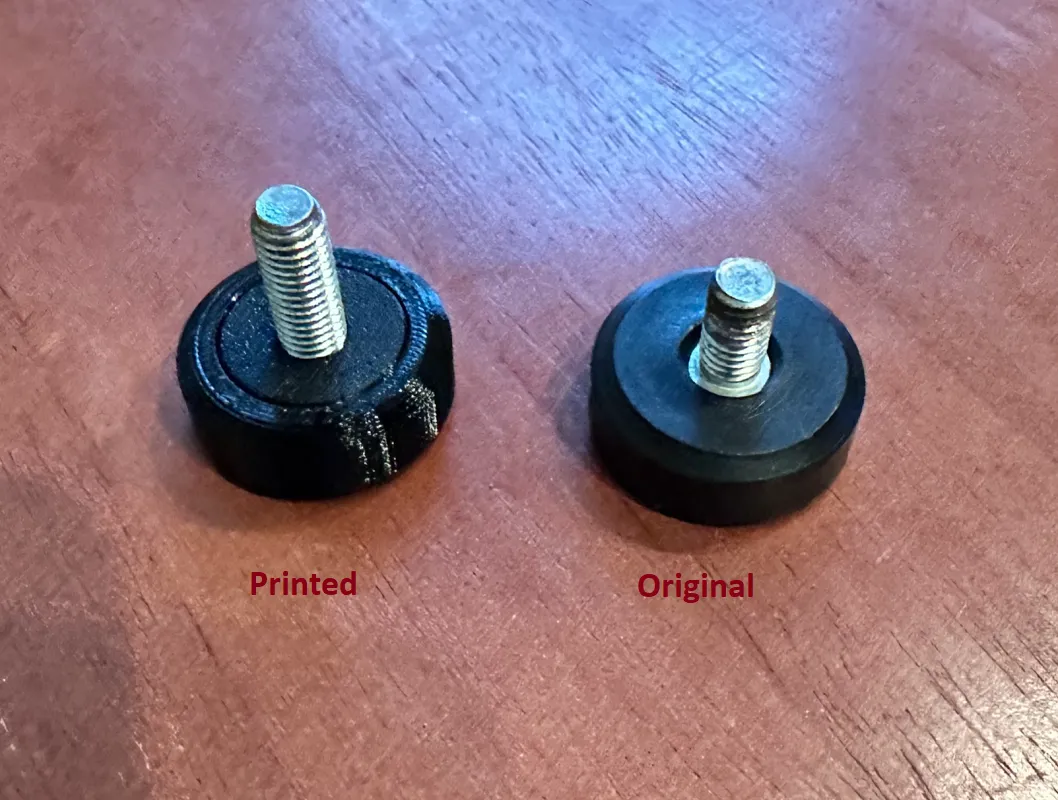
Leveling legs are adjustable supports fitted to the base of equipment, machinery, cabinets, or workstations. Their primary purpose is to compensate for differences in floor height and distribute weight more evenly across the supporting points. Most designs include a threaded stem, a base or foot, and a mounting arrangement that connects the assembly to the equipment.
The threaded stem allows users to raise or lower individual support points. By making small adjustments, they can bring equipment into a level position without modifying the floor or rebuilding the machine’s foundation. Some designs also feature a swiveling base that helps maintain contact with floors that are slightly angled or uneven.
A leveling leg must be selected according to the equipment’s actual operating conditions. For example, a lightweight storage cabinet has different requirements from a production machine that experiences repeated movement or vibration. Matching the support to the application is essential for reliable performance.
Common Types of Leveling Legs
Different designs address different stability, load, and environmental requirements. Knowing their characteristics makes selection easier.
Fixed-Base Leveling Legs
Fixed-base models have a rigid foot that provides a straightforward contact point with the floor. They are commonly used on equipment installed on relatively flat surfaces. Their simple construction makes them suitable for workbenches, cabinets, and stationary machinery that does not require frequent repositioning.
However, a fixed base may not sit evenly on an angled surface. In those situations, another design may provide better floor contact.
Swivel or Articulating Leveling Legs
Swivel leveling legs feature a base that can tilt slightly to follow the angle of the floor. This helps the foot maintain more consistent contact when the supporting surface is not perfectly level.
They are useful for machinery installed in older buildings, workshops, and facilities with minor floor variations. Better contact can also help reduce unwanted movement caused by an uneven support point.
Heavy-Duty Leveling Legs
Heavy-duty models are designed for equipment with greater weight requirements. They typically use stronger stems, reinforced bases, and durable materials to support demanding applications.
These supports are common under industrial machines, production equipment, and large workstations. Buyers should always check the manufacturer’s rated capacity rather than assuming that a larger-looking leg can safely handle a particular load.
Leveling Legs With Vibration-Damping Bases
Some leveling legs incorporate rubber or other resilient materials into the foot. These designs can help reduce the transmission of vibration between equipment and the floor while improving grip.
They may be appropriate for selected compressors, workshop machinery, and equipment that produces noticeable vibration. However, they are not a universal solution for vibration control. The material and design must suit the machine’s weight, operating frequency, and movement characteristics.
How to Choose and Set Up the Right Leveling Legs
Selecting appropriate supports involves evaluating the equipment, floor, and working environment together. A structured approach helps prevent avoidable problems.
Step 1: Determine the Equipment’s Total Weight
Start by identifying the equipment’s operating weight, including materials, accessories, and any additional load it will carry. Consider how that weight is distributed across the support points.
Do not simply divide the total weight by the number of legs and assume every support will carry an identical share. Uneven loading, machine geometry, and floor conditions can cause individual legs to experience different forces. Follow the manufacturer’s load ratings and applicable engineering guidance.
Step 2: Assess the Floor Surface
Inspect the installation area for slopes, cracks, gaps, and other irregularities. A smooth concrete floor may work well with a standard fixed base, while a slightly uneven surface may call for an articulating design.
Also consider the flooring material. Delicate surfaces may require a protective contact pad to prevent marks or damage.
Step 3: Select Suitable Materials
Material selection affects durability, maintenance, and resistance to environmental conditions.
Stainless steel is often considered for damp or washdown environments because of its corrosion resistance. Zinc-plated or other coated steel components may be appropriate for many general industrial applications. Polymer bases can offer floor protection and resistance to certain chemicals, depending on the material.
Always verify compatibility with cleaning products, moisture levels, temperature, and workplace conditions.
Step 4: Check Mounting and Adjustment Requirements
Confirm that the stem, thread, mounting plate, and attachment method are compatible with the equipment. Check the available adjustment range as well. A support with insufficient travel may not correct the floor variation, while excessive adjustment can affect stability if the stem is extended too far.
Step 5: Level the Equipment and Verify Stability
Follow the equipment manufacturer’s installation instructions. Adjust the supports gradually, using an appropriate level or measuring tool to check alignment. Once the equipment is positioned correctly, confirm that each foot makes firm contact with the floor.
For heavy machinery, installation and final verification should be handled by qualified personnel. After setup, inspect the equipment during normal operation to confirm that it remains stable.
Common Mistakes and Challenges
One frequent mistake is choosing leveling legs based only on price or appearance. A low-cost support may not have the capacity or material properties required for a demanding application. Checking specifications before purchase is more reliable than judging a product by its size.
Another issue is ignoring load distribution. Equipment that places more weight on one side can overload individual supports even when the total weight appears acceptable. This is particularly important for machines with motors, moving assemblies, or unevenly positioned components.
Overextending threaded stems is another concern. Excessive extension can reduce rigidity and increase the potential for movement. Select a model with an appropriate adjustment range instead of relying on maximum extension.
Finally, some users overlook routine inspections. Loose mounting hardware, worn contact pads, corrosion, and changes in floor conditions can affect stability. Regular checks help identify these issues before they interfere with equipment operation.
Practical Tips for Better Performance
A few straightforward practices can improve the reliability of leveling systems:
- Document load requirements: Keep equipment weight, support ratings, and installation specifications available for maintenance teams.
- Use compatible materials: Match the support material to moisture, temperature, cleaning routines, and chemical exposure.
- Protect the floor: Choose suitable contact surfaces for tile, coated concrete, or other sensitive flooring.
- Check all support points: Verify that every leg remains in contact with the floor after adjustment.
- Inspect periodically: Look for damaged threads, loose connections, worn bases, and signs of corrosion.
- Consider the operating environment: Machines that vibrate, move, or undergo frequent cleaning may need specialized support designs.
For example, a packaging machine installed on a concrete production floor may need heavy-duty supports with suitable vibration-damping properties. A stainless steel preparation table in a commercial kitchen may benefit from corrosion-resistant adjustable legs that accommodate minor floor variations. These examples show why application requirements should guide selection.
Conclusion
Leveling legs play an important role in maintaining stable, properly positioned equipment. From simple fixed-base supports to heavy-duty and vibration-damping designs, each type serves different operating conditions. The best choice depends on equipment weight, floor characteristics, material compatibility, and adjustment requirements. By evaluating these factors, following installation guidance, and performing regular inspections, businesses can improve equipment stability, support consistent operation, and reduce avoidable maintenance issues.