





Understanding Otoplasty and Its Purpose
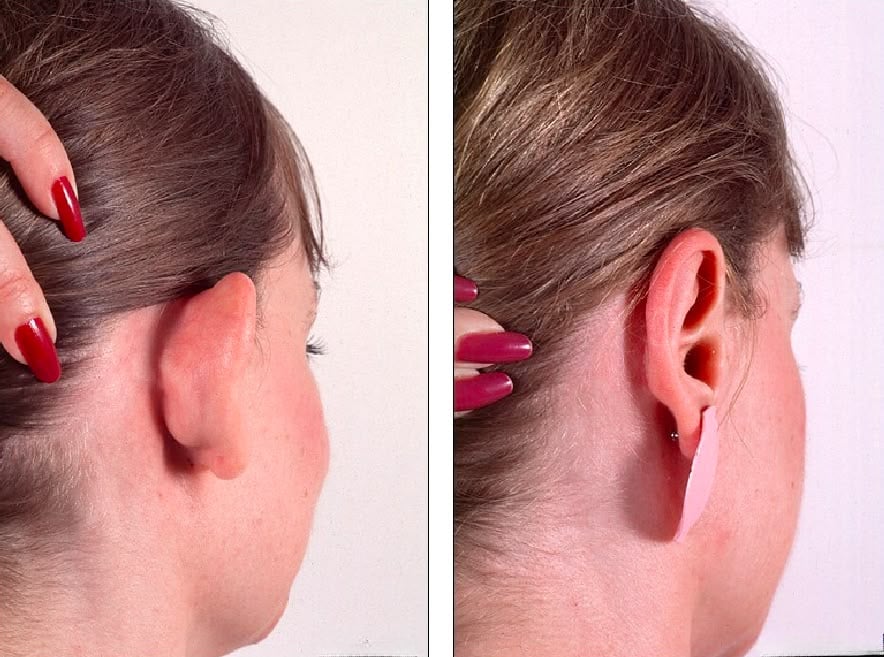
Otoplasty is a cosmetic surgical procedure designed to improve the appearance of the ears. It can address different concerns, such as ears that project outward, irregular cartilage structures, and noticeable differences between the two ears.
The procedure focuses on adjusting the ear’s structure while maintaining a natural appearance. Depending on the patient’s requirements, a surgeon may reshape the cartilage, adjust the angle of the ears, or improve their overall proportions.
The goal is not to create identical ears or completely change someone’s appearance. Instead, treatment aims to achieve better balance between the ears and other facial features.
Common Ear Appearance Concerns
People consider otoplasty for different reasons. Some concerns are present from birth, while others may develop following an injury or changes in the ear’s structure.
Prominent ears are among the most common reasons people seek treatment. They occur when the ears extend farther from the head than desired. Other individuals may have underdeveloped natural folds, asymmetrical ear positioning, or cartilage irregularities.
These differences are generally not medical problems, but they can affect how someone feels about their appearance. A consultation helps determine which concerns can realistically be addressed through surgery.
Important Factors Before Considering Surgery
Before undergoing otoplasty, patients should understand the procedure, its limitations, and the recovery process. A detailed assessment allows the surgeon to evaluate ear anatomy and determine the most appropriate treatment approach.
Several factors may influence the treatment plan, including:
- The size and position of both ears.
- Cartilage thickness and flexibility.
- Existing differences between the ears.
- General health and medical history.
- Personal expectations regarding the final appearance.
Patients should openly discuss their expectations during consultation. Understanding the possible results helps establish realistic goals and supports informed decision-making.
Surgical Techniques Used for Ear Correction
Different surgical techniques may be used depending on the patient’s ear structure and the type of correction required. The surgeon selects an approach according to the desired outcome and individual anatomy.
In many cases, an incision is made behind the ear to access the cartilage. The cartilage may then be reshaped, folded, or repositioned to achieve the planned appearance. Special sutures can help maintain the new structure.
Some procedures involve bringing prominent ears closer to the head, while others focus on improving folds or correcting structural irregularities.
The operation is generally performed using local or general anaesthesia, depending on the patient’s age, medical condition, and surgical requirements. The surgeon explains the recommended technique before treatment.
What Happens During the Healing Period?
Recovery is an important stage of the otoplasty process. Patients may experience temporary swelling, bruising, tenderness, and mild discomfort around the treated area.
A protective dressing or headband may be recommended to support the ears during the initial healing period. Following postoperative instructions helps protect the surgical area and supports proper recovery.
Patients should avoid sleeping directly on their ears and should be careful when changing clothes or performing daily activities. Sports, heavy exercise, and activities that could cause accidental pressure on the ears should be postponed until medical clearance is provided.
Recovery times vary depending on the surgical technique and individual healing response. Regular follow-up appointments allow the surgeon to assess progress and provide additional guidance.
Possible Risks and Safety Considerations
Like other surgical procedures, otoplasty involves certain risks. These may include infection, bleeding, scarring, temporary changes in sensation, asymmetry, or dissatisfaction with the cosmetic outcome.
Although complications are not inevitable, patients should understand them before agreeing to surgery. Choosing an appropriately qualified surgeon and following all medical instructions can help reduce avoidable risks.
Anyone considering ear correction should disclose existing medical conditions, allergies, and medications during consultation. This information helps the medical team plan treatment more safely.
Selecting a Cosmetic Surgery Clinic in Islamabad
Choosing the right clinic is an important decision when considering an aesthetic procedure. Patients should evaluate the surgeon’s qualifications, surgical experience, available facilities, and approach to patient care.
A reliable consultation should include an examination, discussion of treatment options, realistic expectations, possible risks, and an explanation of the recovery process. Patients should also receive clear information about costs and follow-up care before making a decision.
Enfield Royal Clinic is a name patients can explore when researching cosmetic treatment options in Islamabad. Before proceeding with any procedure, individuals should arrange a professional assessment and verify the qualifications of the treating medical professional.
Conclusion
Otoplasty provides an option for people who want to improve the shape, position, or proportions of their ears. With an individualized treatment plan, appropriate surgical techniques, and proper aftercare, patients may achieve a more balanced ear appearance. Careful research, realistic expectations, and consultation with a qualified surgeon are essential steps toward making a safe and informed cosmetic surgery decision.