








Nonprofits and community organizations often have information that people really need: how to access a service, what to do in an emergency, how to take part in a program. Getting that information out clearly and affordably can be a challenge, especially when budgets are tight and audiences are varied.
Printed pamphlets remain one of the most dependable tools for the job. They’re portable, easy to share, and don’t require a device or an internet connection. Here’s how to make yours work harder.
Know who will pick it up
A pamphlet for new parents reads differently from one for older adults or for volunteers. Before writing, picture one specific reader. Think about their reading level, their language, how much time they have, and what worries them.
If your community includes people who speak other languages, plan translated versions from the start. Have a qualified reviewer check them, since a poor translation can undermine trust more than having none.
Lead with what the reader needs most
People rarely read a pamphlet from front to back. They look for the part that applies to them. Put the most important information near the top: who the pamphlet is for, what it offers, and how to get help or take part.
A few simple techniques help:
- Use question headings. “Who can apply?” and “What does it cost?” mirror what readers are already wondering.
- Keep paragraphs short. Three or four sentences is plenty.
- Use numbered steps for any process, such as how to sign up.
- Spell out contact details. Include a phone number, a web address, and hours if they apply.
Choose a format that fits the use
The physical layout should suit how the pamphlet will be handed out and used.
Single folded sheet
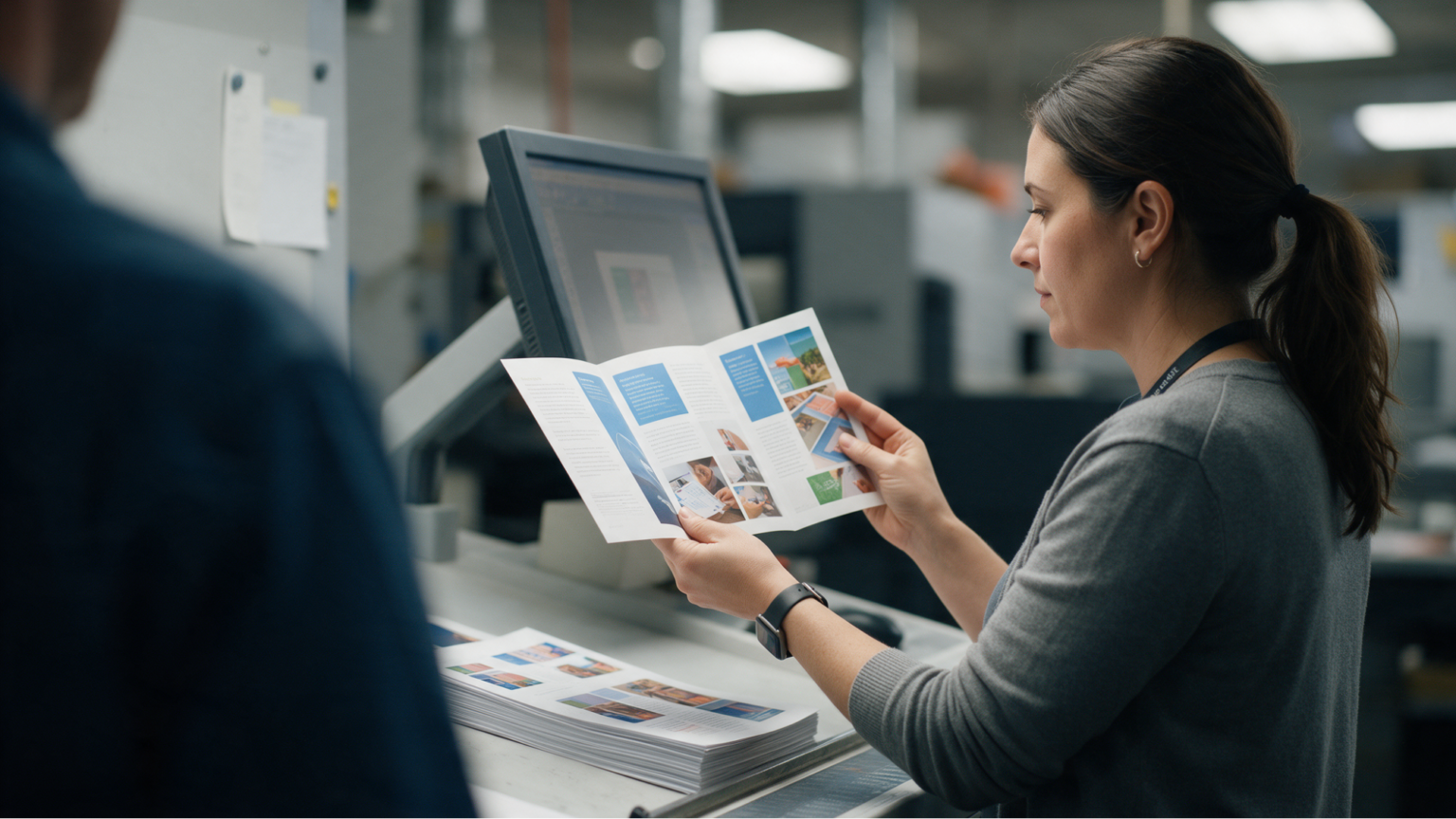
A tri-fold or bi-fold sheet works for most community needs. It’s affordable, easy to stock in racks and on tables, and simple to hand out at events.
Multi-page stapled pamphlet
When you need more room, such as for program guides, safety instructions, or resource lists, a short stapled pamphlet gives space for detail without the cost of a bound book.
Pocket-sized options
Small formats are easy to tuck into a bag or wallet, which helps for hotline numbers and quick-reference tips.
Make it readable for everyone
Accessibility is a core part of good pamphlet design. Use larger type than you think you need, strong contrast between text and background, and plain fonts. Avoid putting text over busy images. If your audience includes older adults, test a draft with a few people and watch where they struggle.
Think about where it will be distributed
A pamphlet is only useful if it reaches people. List the places your audience already goes: libraries, clinics, schools, faith communities, grocery stores, laundromats, community centers. Ask partners whether they’d display a stack. Match your quantities to realistic demand at each location.
Keep costs under control
Budgets are real, and there are practical ways to stretch them:
- Print in realistic quantities. Information changes, and old pamphlets lose value.
- Standardize your layout. A reusable template saves design time on each new pamphlet.
- Use color where it counts. Full color on the cover, simpler interior pages.
- Work with a provider that offers digital production. Digital printing supports shorter runs, so you can update details without being stuck with a large leftover stock.
- Plan ahead. Rush orders usually cost more.
Providers of pamphlet printing services can help you compare formats and paper options that fit your budget while keeping the pamphlet durable enough to be handled.
Add a way to measure impact
Funders and board members often want to know whether outreach is working. A simple tracking method can help. Use a unique phone extension, a short web address, or a code that people can mention when they reach out. Even a rough count tells you which distribution points are most effective.
Keep it fresh
Print a revision date on the back panel so readers know the information is current. Set a reminder to review content every few months. Outdated phone numbers or program details can do real harm.
A short checklist
- Defined audience and one main message
- Plain language and short paragraphs
- Clear contact information
- Large, readable type
- A realistic distribution plan
- A revision date and review schedule
Final thoughts
A good pamphlet is clear, practical, and easy to find. When it reaches the right person at the right moment, it can connect them to help they might not have found otherwise.
If your organization is planning its next printed resource, Spectra can help bring it to life. Explore our custom pamphlet printing services to get started.