






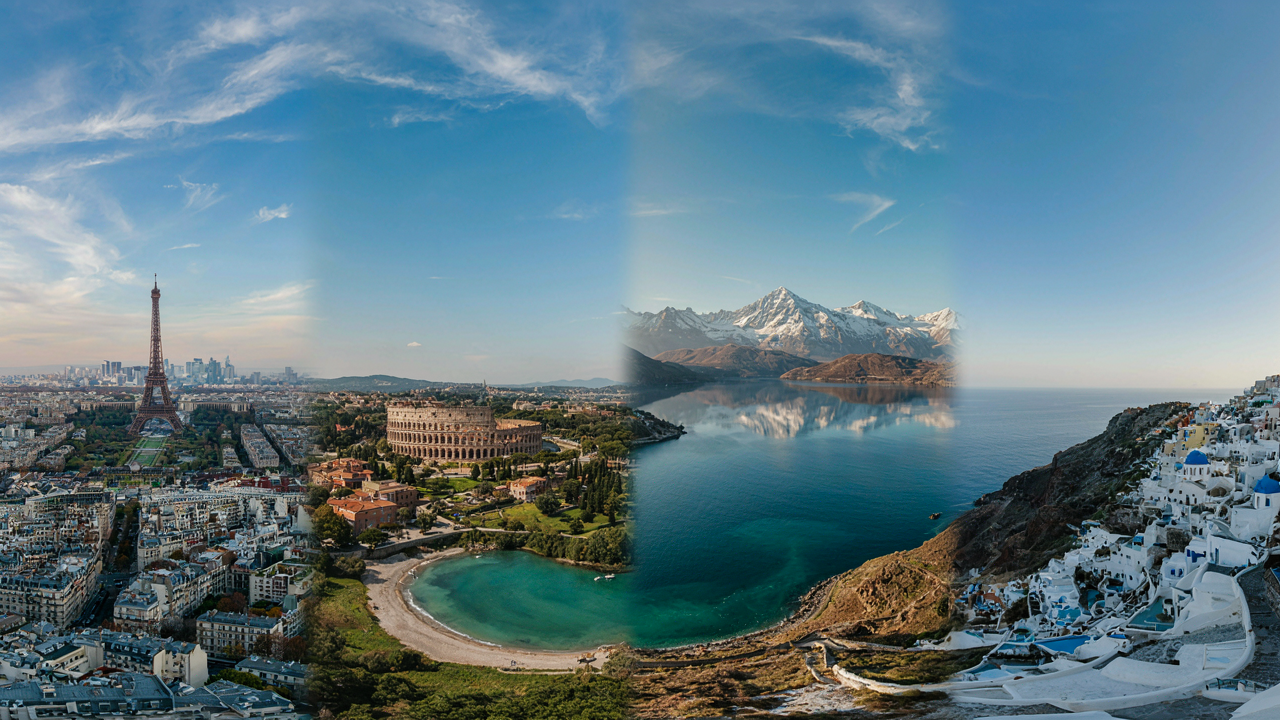
Europe offers an incredible mix of historic cities, beautiful coastlines, picturesque villages, and breathtaking natural landscapes. From enjoying a café in Paris to discovering ancient landmarks in Rome or admiring the Swiss Alps, every destination brings a different experience. However, with so many countries and attractions to choose from, organising the perfect holiday requires thoughtful planning.
Whether you are travelling as a couple, planning a family adventure, or preparing for your first international trip, knowing how to plan a Europe trip can make your journey smoother and more enjoyable. The key is to choose destinations that match your interests, establish a realistic budget, and leave enough time to experience each place properly.
With the right preparation and carefully selected Europe travel packages, you can turn your European holiday into a memorable adventure filled with culture, discovery, and unforgettable moments.
1. Choose the Right European Destinations
The first step is deciding which destinations best suit your travel preferences. Europe includes dozens of countries, each offering distinctive landscapes, traditions, food, and attractions.
Paris is ideal for art, architecture, and romantic city breaks, while Rome attracts history enthusiasts with its ancient ruins and remarkable cultural heritage. Switzerland appeals to nature lovers with its mountain scenery and scenic train journeys, whereas Greece offers beautiful islands, historic sites, and relaxing Mediterranean beaches.
If you prefer charming streets, impressive architecture, and cultural attractions, consider Prague or Vienna. Travellers interested in food and coastal scenery may enjoy Barcelona or Portugal’s coastal towns.
Rather than trying to visit too many countries, select two or three destinations for a shorter holiday. This approach reduces travel fatigue and gives you more time to appreciate local culture. Your choices should reflect your interests, budget, available time, and preferred travel pace.
2. Set a Realistic Budget and Travel Schedule
A well-planned budget helps you enjoy your holiday without unnecessary financial stress. Before making reservations, estimate the total cost of flights, accommodation, meals, transportation, sightseeing, travel insurance, and shopping.
European travel expenses vary considerably between destinations. Switzerland and some major Western European cities can be expensive, while certain Central and Eastern European destinations may offer more affordable accommodation and dining options.
Travelling during spring or early autumn can be an attractive option for visitors seeking comfortable sightseeing conditions. Summer generally brings longer daylight hours but can also mean larger crowds and higher prices in popular destinations. Winter is especially appealing for Christmas markets, festive city breaks, and snow-related activities.
Decide how many days you can spend away and build your itinerary around that timeframe. A week may be enough for two nearby cities, while a two-week holiday provides more flexibility for exploring several destinations.
Always include some flexibility in your budget for unexpected expenses, spontaneous activities, and last-minute changes.
3. Select Accommodation and Transportation Carefully
Accommodation and transportation have a significant influence on the overall quality of your holiday. Choosing a hotel in a convenient location can save valuable time and reduce daily travel expenses.
In major cities, staying near public transport or within walking distance of popular attractions can make sightseeing easier. Boutique hotels, serviced apartments, and family-run guesthouses are worth considering alongside traditional hotels, depending on your budget and preferences.
Europe also offers several convenient ways to travel between destinations. High-speed trains are particularly useful on many popular routes, including connections between Paris, Brussels, Amsterdam, and other major cities. Budget airlines can be practical for longer distances, although baggage fees, airport transfers, and check-in requirements should be considered before booking.
Compare the total journey time and cost rather than focusing only on the ticket price. An inexpensive flight may involve additional transfers and waiting time, whereas a train journey might provide a more convenient city-centre connection.
Booking popular routes and accommodation in advance can also improve availability, particularly during school holidays and major festivals.
4. Create an Itinerary That Balances Sightseeing and Relaxation
An unforgettable holiday is not about visiting every attraction on a checklist. It is about experiencing destinations in ways that feel enjoyable and meaningful.
Start by identifying the main attractions you want to see in each city. For example, visitors to Paris might prioritise the Eiffel Tower and Louvre Museum, while travellers in Rome may wish to explore the Colosseum and Vatican City.
Arrange nearby attractions together to avoid unnecessary journeys across a city. Reserve advance tickets where required, especially for popular museums, monuments, and guided tours.
However, leave room for unplanned discoveries. Enjoying a leisurely meal, browsing a local market, or walking through a historic neighbourhood can be just as memorable as visiting a famous landmark.
The best European travel experiences often come from combining well-known attractions with authentic local activities. Consider a regional cooking class, a countryside excursion, a traditional food tour, or a scenic boat ride.
A balanced itinerary should also include time to rest. Travelling becomes far more enjoyable when you are not constantly rushing to meet the next scheduled activity.
5. Prepare Travel Documents and Essential Arrangements
Before departure, check your passport validity, visa requirements, airline conditions, and entry rules for every country on your itinerary. Requirements depend on your nationality, travel documents, and destination, so consult official government or consular sources well before booking.
For travellers visiting the Schengen Area, remember that a visa or travel authorisation requirement depends on individual circumstances. The European Union’s Entry/Exit System became fully operational on 10 April 2026, while ETIAS is scheduled to begin in the final quarter of 2026. ETIAS is intended for eligible visa-exempt travellers; it is not a replacement for a visa when one is required. Check the official European travel website for the latest information before departure. <Cite refs={[“turn210611search2″,”turn210611search5”]}/>
Arrange suitable travel insurance, keep digital and physical copies of important documents, and confirm accommodation and transport reservations before leaving home.
It is also useful to research local currencies, payment methods, mobile connectivity, and public transport passes. Packing comfortable walking shoes, weather-appropriate clothing, and any necessary medication will help you prepare for different activities and conditions.
6. Consider Europe Travel Packages for a Smoother Journey
Planning an international holiday independently can be rewarding, but organising multiple destinations, transfers, hotel reservations, and guided activities may require considerable time.
Europe travel packages can simplify the process by combining selected services into one itinerary. Depending on the provider, packages may include accommodation, airport transfers, intercity transportation, sightseeing tours, and assistance with travel arrangements.
When comparing options, look beyond the headline price. Check what is included, whether meals and entrance tickets are covered, how much free time is available, and whether the itinerary suits your travel style.
Families may prefer convenient transportation and centrally located hotels, while couples might prioritise scenic destinations and flexible schedules. First-time visitors may appreciate guided sightseeing, whereas experienced travellers may prefer packages that allow more independent exploration.
Choose a reputable travel provider, read the booking conditions carefully, and confirm cancellation policies before making payment. A well-designed package should reduce planning stress while allowing you to enjoy the destinations at a comfortable pace.
Make Your European Holiday Truly Unforgettable
Planning a successful European holiday begins with understanding what you want from the journey. By selecting suitable destinations, managing your budget, arranging convenient transportation, and allowing time for authentic experiences, you can create an itinerary that feels both exciting and relaxing.
Whether you dream of exploring historic cities, discovering mountain landscapes, sampling regional cuisine, or enjoying peaceful coastal escapes, Europe offers something for every traveller.
If you are ready to plan your next adventure, explore the possibilities with Paradigm Travel and find an itinerary that matches your interests, schedule, and budget. With thoughtful preparation and the right travel arrangements, your European holiday can become an experience you will treasure for years to come.