





Moving water is one thing. Transferring water mixed with sand, mud, mineral particles, or industrial waste requires different pumping equipment. These mixtures, commonly known as slurries, can be dense and abrasive, making their movement more demanding than ordinary water transfer.
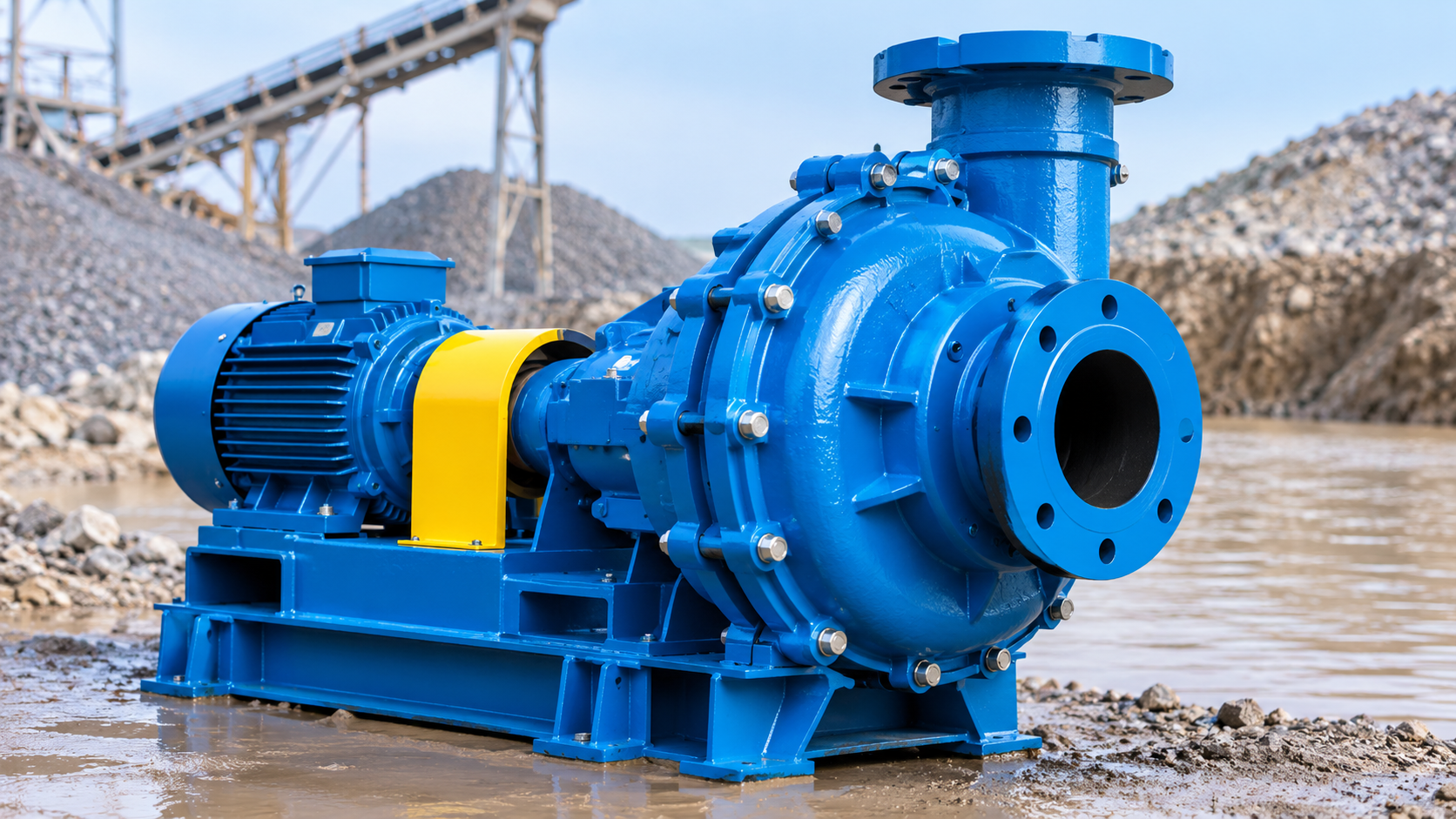
A slurry pump is built to handle such mixtures and move them through pipelines or discharge systems. It is used in mining, construction, wastewater management, and several industrial processes. Understanding how it works, where it is used, and what to check before purchasing one can help you select equipment suited to your application.
What Is a Slurry Pump?
A slurry pump is equipment used to transfer a mixture of liquid and solid particles. The liquid is usually water, while the solids may include sand, gravel, clay, silt, coal particles, or mineral residues.
Unlike pumps intended mainly for clean water, these units are built to handle the additional weight and abrasive action of suspended solids. Their internal components are selected according to the type, size, and concentration of particles passing through them.
The most commonly used designs are centrifugal pumps. They use a rotating impeller to move the mixture towards the discharge outlet. Other designs, including positive displacement pumps, may be suitable for particular slurry characteristics and operating conditions.
How Does It Work?
A centrifugal model uses rotational energy to move the liquid and suspended particles. The main stages of operation include:
- Liquid enters the pump: The slurry moves through the suction inlet and reaches the centre of the impeller.
- The impeller rotates: A motor drives the impeller, which accelerates the mixture and moves it towards the outer edge.
- Pressure develops: As the mixture moves through the pump casing, part of its kinetic energy is converted into pressure.
- The slurry moves out: The pressurised mixture leaves through the discharge outlet and enters the connected pipeline.
- The process continues: As fresh material enters the suction side, the pump maintains the required flow, provided the operating conditions remain within its capacity.
The impeller and casing play important roles in this process. Their design must allow the intended particles to pass through while managing the wear caused by repeated contact with solid material.
Where Are These Pumps Used?
Different industries generate liquid mixtures containing solid particles. Pumping equipment suited to these conditions helps move the material between processing, storage, and disposal areas.
1. Mining and Mineral Processing
Mining operations produce mixtures containing crushed rock, mineral particles, sand, and water. These materials need to be transferred between processing stages, settling tanks, and tailings storage areas.
Suitable pumping equipment helps move mineral slurry through pipelines. The required design depends on particle size, mineral hardness, solids concentration, and the distance over which the mixture must travel.
2. Construction and Excavation
Excavation work can produce water mixed with soil, sand, and fine sediment. This material may collect in foundation pits, trenches, and other below-ground work areas.
The right pumping arrangement helps remove accumulated mixtures and maintain workable site conditions. However, ordinary water-removal equipment and heavy-duty solids-handling models serve different purposes.
3. Sand and Gravel Processing
Sand washing and aggregate production involve moving mixtures of water and solid particles. Pumps help transfer this material between washing units, separation equipment, and storage areas.
The equipment must accommodate the size and abrasive nature of the particles being handled.
4. Wastewater and Industrial Treatment
Industrial treatment facilities may need to transfer sludge, sediment, and other waste mixtures. Certain pump designs are suitable for these applications, depending on the consistency and composition of the material.
Choosing compatible construction materials is particularly important when the liquid contains chemicals or corrosive substances.
5. Dredging and Waterway Maintenance
Dredging involves removing accumulated sediment from rivers, ponds, canals, and other water bodies. The collected material often contains water, sand, silt, and clay.
Suitable pumping systems help move this mixture to designated collection or disposal areas. The required equipment depends on sediment characteristics, pumping distance, and discharge height.
What Should You Check Before Choosing One?
Selecting equipment involves more than checking the motor rating. The characteristics of the material and the operating conditions both influence performance.
Here are some important factors to consider:
- Particle size: Check the average and maximum size of the solids. The pump must have suitable internal passages to accommodate the particles without frequent blockages.
- Solids concentration: Find out how much solid material is present in the liquid. A mixture containing a higher proportion of solids may require greater pumping power and a different hydraulic design.
- Particle hardness: Sand, gravel, and mineral particles can cause considerable abrasion. The hardness and shape of the solids help determine which impeller and casing materials are suitable.
- Flow rate: Calculate the volume of slurry that needs to be transferred within a given period. The required flow rate should match the process demand.
- Total head: Consider the vertical height, pipeline length, bends, valves, and other sources of resistance. These factors determine the pressure the pump needs to provide.
- Material compatibility: Check whether the casing, impeller, seals, and other components can withstand the slurry’s chemical properties and operating temperature.
- Operating duration: Equipment used continuously may require different construction and maintenance arrangements from units used intermittently.
For construction projects, construction dewatering pumps may be suitable for removing accumulated groundwater and site water, while mixtures with substantial sand, sediment, or abrasive solids may need equipment specifically selected for solids handling. The nature of the material should guide the decision.
Maintenance Tips for Better Performance
Regular inspection helps identify wear and operating problems before they affect the pumping process. A few checks should form part of routine maintenance:
- Inspect the impeller: Look for signs of erosion, cracks, and damage caused by solid particles.
- Check the casing: Examine internal surfaces and replace worn liners where the design includes them.
- Monitor seals: Inspect sealing arrangements for leakage and follow the recommended replacement intervals.
- Check bearings: Listen for unusual noise and look for excessive vibration or overheating.
- Clean the suction line: Remove accumulated material that could restrict the flow.
- Follow operating limits: Avoid running the equipment outside its specified flow, pressure, and solids-handling range.
- Follow servicing instructions: Use the recommended lubrication, inspection, and replacement schedule.
The frequency of these checks depends on the material being pumped and the number of operating hours.
Conclusion
Moving mixtures containing sand, minerals, soil, and other solid particles requires equipment suited to their density and abrasive properties. From mining and aggregate processing to construction and industrial treatment, the right pumping arrangement helps maintain material flow across different operations.
Before selecting equipment, assess the particle size, solids concentration, required flow rate, total head, and material compatibility. These details help identify a suitable model and support dependable operation over time.