






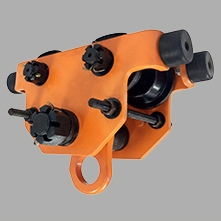
Moving heavy tools, parts, and materials across a work area calls for equipment that offers steady movement and safe load control. Beam-mounted lifting systems help workers move loads along a fixed path without carrying them by hand. Choosing the right steel beam trolley depends on the load, beam type, work setup, and lifting method. A well-matched unit can help reduce manual effort and keep daily tasks under control.
Key Features to Check Before Buying
A beam trolley must suit the lifting setup and the demands of the job. Its build, wheel design, and adjustment range affect how well it moves under load.
- Build quality: A strong steel frame can handle regular use in workshops, plants, and assembly areas.
- Wheel design: Smooth-rolling wheels help the trolley travel along the beam with less effort.
- Beam fit: Check the flange width and beam profile to ensure the trolley fits the support beam.
- Trolley type: Push-type models suit lighter tasks, while geared models offer better control when moving heavier loads.
- Ease of setup: Adjustable designs can fit different beam widths, provided they stay within the maker’s stated limits.
How to Choose the Right Load Capacity
Load capacity is one of the first factors to check when buying a trolly beam system. The rated capacity must cover the load being lifted, while the hoist, trolley, beam, and support structure must all be suitable for the intended load.
Consider the heaviest item the system will handle during normal work. Include the weight of lifting gear where the rated limits require it. Never assume that a high-capacity trolley makes an undersized beam safe.
Also, review how often the trolley will move, how far it must travel, and whether workers need precise positioning. These details help buyers choose equipment that suits both the load and the task.
Safety Checks for Daily Use
Safe operation starts with correct setup and regular checks. Inspect the wheels, frame, fasteners, and travel path before use. Look for cracks, wear, loose parts, and signs of damage.
Keep the load within the rated limit and move it in a controlled manner. Avoid sudden pulls, side loads, and travel over blocked or damaged beam sections. Workers should follow the maker’s instructions and remove faulty equipment from service until it has been checked.
Finding the Right Lifting Setup
A suitable steel beam trolley supports smooth load movement, but the full lifting setup must work as one system. Buyers should compare rated capacity, beam fit, build quality, ease of movement, and maintenance needs before making a choice.
For work that involves holding tools or managing suspended equipment, Spring Balancers also offer a useful option. They help support the weight of tools and reduce operator strain during repeated tasks, making them worth considering alongside suitable lifting equipment.
Before purchasing a trolly beam system, review the work area, load needs, and safety requirements. A careful choice helps support reliable handling, better control, and safer day-to-day work.
Conclusion
Choosing the right steel beam trolley requires careful checks of load capacity, beam fit, build quality, and safety features. The right setup helps workers move heavy loads with better control and less manual effort.
For tasks that involve handling suspended tools, Spring Balancers offer a practical way to support tool weight and reduce operator strain during repeated work. They can complement suitable lifting equipment in workshops and production areas.
Before buying a trolly beam system, assess the load, work conditions, and beam design to select equipment that meets the demands of daily operations.