


Temperature-sensitive freight requires careful handling throughout transportation. Food, pharmaceuticals, chemicals, and other sensitive products can lose quality when exposed to unsuitable temperatures. Cold chain carriers use refrigerated vehicles, monitoring equipment, and coordinated handling procedures to protect shipments. Effective temperature-controlled logistics helps maintain suitable conditions from the loading dock to the final delivery location.
How Does Temperature-Controlled Logistics Protect Freight?
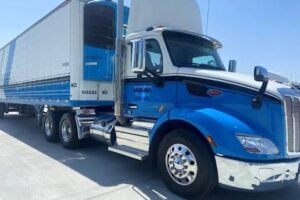
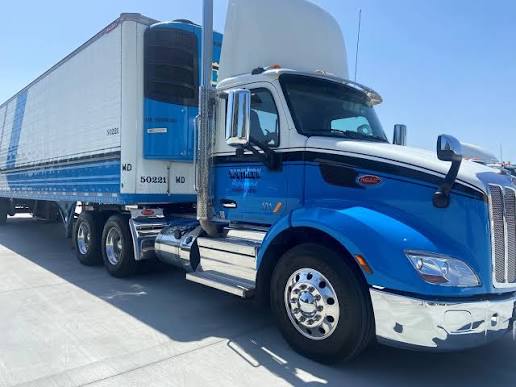
Temperature-controlled transportation involves maintaining specific conditions to protect products during shipping. Carriers use refrigerated trucks, insulated trailers, cooling systems, and monitoring devices to manage temperatures.
Before transportation begins, carriers inspect refrigeration equipment, confirm shipment requirements, and prepare vehicles for loading. Some products require pre-cooled cargo areas to prevent temperature changes during transfer.
During transit, monitoring systems record temperatures and may alert drivers when conditions exceed acceptable limits. These measures help carriers identify problems early and take corrective action before product quality is affected.
What Happens at the Loading Dock?
The loading dock is a critical point because freight may be exposed to outside temperatures while moving between storage facilities and vehicles. Proper preparation helps reduce this exposure.
Carriers follow several handling practices during loading:
- Vehicle Preparation: Inspect refrigeration units and confirm that cargo areas meet shipment temperature requirements.
- Quick Loading: Transfer products promptly from controlled storage into refrigerated vehicles.
- Door Management: Keep trailer doors closed whenever possible to reduce warm air entering the cargo area.
- Freight Placement: Arrange shipments to allow sufficient airflow around products and avoid blocking cooling vents.
Following these procedures helps maintain stable conditions before departure. It also reduces handling delays that could affect sensitive freight.
How Is Freight Monitored During Transit?
Maintaining suitable temperatures during transportation requires regular monitoring. Refrigerated vehicles use sensors and data loggers to record conditions inside cargo compartments.
Some monitoring systems provide real-time readings and send alerts when temperatures move outside established limits. Drivers can investigate potential equipment problems and arrange repairs or other corrective measures when necessary.
Carriers may also monitor vehicle locations and delivery schedules to identify unexpected delays. Temperature records provide useful documentation for shippers and receivers, particularly when products have strict handling requirements.
Reliable temperature-controlled logistics depends on accurate monitoring and timely responses to changing conditions throughout transportation.
How Do Carriers Protect Freight During Delivery?
Delivery presents another opportunity for temperature exposure, particularly when products move from refrigerated vehicles into receiving facilities. Coordinating unloading activities helps protect shipments during this final transfer.
Carriers generally follow these practices:
- Delivery Planning: Coordinate arrival times with receiving facilities to minimize waiting periods.
- Controlled Unloading: Reduce unnecessary door openings and limit exposure to outdoor temperatures.
- Shipment Inspection: Check freight condition, packaging, and relevant temperature records when required.
- Prompt Storage: Transfer products directly into appropriate refrigerated or temperature-controlled storage areas.
Clear communication between drivers and receiving teams supports an efficient handoff. These precautions help maintain product condition until responsibility passes to the receiving facility.
Conclusion
Cold chain carriers protect sensitive freight through careful preparation, refrigerated transportation, temperature monitoring, and coordinated delivery procedures. Each stage requires attention because even brief temperature changes can affect certain products. Proper equipment maintenance, efficient loading, and timely unloading help reduce avoidable exposure. By maintaining suitable conditions throughout the journey, carriers support product quality, reduce the risk of damage, and help shipments reach their destinations in the required condition.