




A thoughtfully designed landscape can change the way a home looks and feels. Outdoor spaces are no longer limited to traditional lawns and basic garden beds. Homeowners increasingly want environments that combine attractive design, practical features, and comfortable areas for spending time outside. From architectural planting arrangements to creative outdoor lighting and custom garden features, a well-planned landscape can make a residential property more inviting. Transformed Landscaping Co. helps homeowners explore landscaping improvements that bring together visual appeal and everyday functionality.
Investing in Modern Landscape Design in Austin TX offers an opportunity to create an outdoor environment that reflects personal style while responding to the property’s natural conditions. Austin homeowners must consider factors such as intense summer sunlight, changing rainfall, soil characteristics, and available outdoor space when planning improvements. A successful design should not only look attractive when first installed but also remain practical as plants mature and outdoor needs change. Combining contemporary design principles with suitable landscaping features can help create a balanced and enjoyable residential setting.
Exploring the Role of Contemporary Landscape Architecture
Contemporary landscape architecture focuses on organizing outdoor areas through thoughtful layouts, balanced proportions, and carefully selected materials. Instead of filling a yard with unrelated decorative elements, this approach gives every feature a clear purpose. Defined garden sections, open spaces, structured pathways, and strategically positioned trees can create a visually organized environment. These design choices are particularly useful for homeowners who want their properties to look sophisticated without becoming overly complicated.
The architectural style of the house should influence the overall landscaping concept. Clean lines and simple planting arrangements may complement modern homes, while softer garden shapes can work well with properties featuring more traditional designs. Consistency in materials, colors, and textures helps establish a connection between the building and its surroundings. This approach creates an outdoor environment that feels like a natural continuation of the home’s architecture.
Introducing Layered Planting for Visual Depth
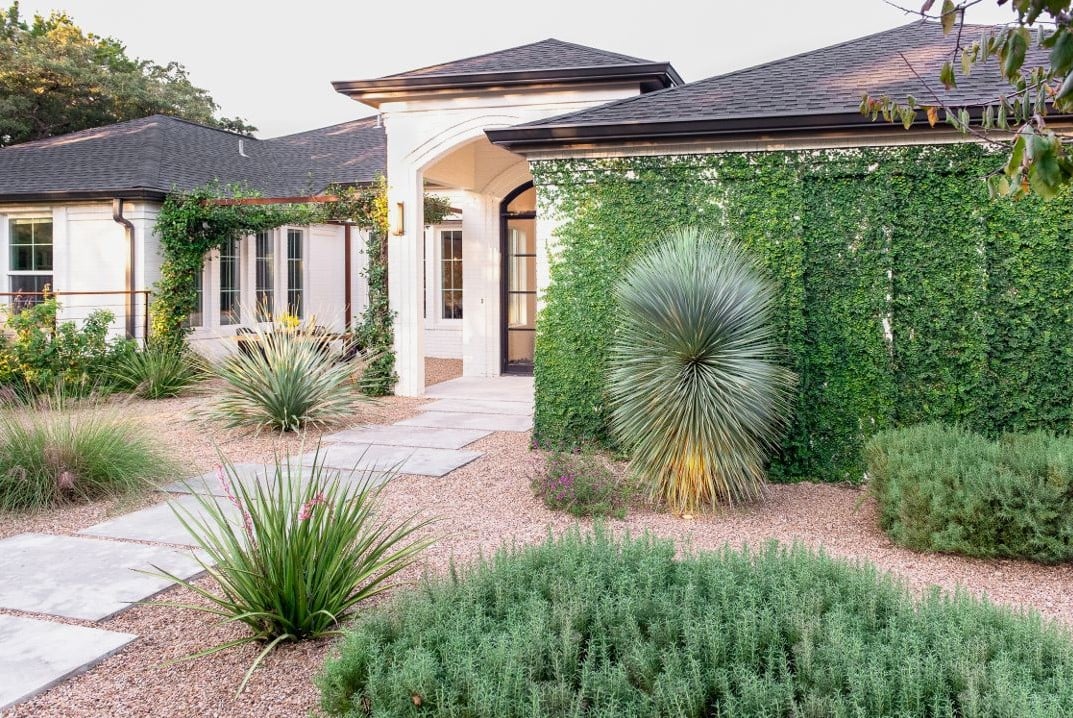
A landscape becomes more interesting when plants are arranged with attention to their height, shape, and texture. Layered planting involves combining different types of vegetation to create depth and a natural sense of movement. Taller trees and shrubs can establish the background structure, while medium-sized plants and smaller flowers fill the surrounding areas. Ornamental grasses and ground covers can soften transitions between planting beds, pathways, and open spaces.
Choosing the right combination is especially important for residential gardens in Central Texas. Homeowners can consider native plants, drought-tolerant shrubs, flowering varieties, and ornamental grasses that suit local growing conditions. Different plants should be positioned according to their sunlight, soil, and watering requirements. A carefully arranged planting scheme creates a garden that offers visual interest throughout the seasons without relying on excessive decoration.
Designing Outdoor Spaces Around Everyday Activities
Modern landscaping should support the way homeowners actually use their properties. A family may need open areas for children, while another household might prefer a quiet garden with comfortable seating. Some homeowners want space for outdoor dining or entertaining visitors. Understanding these preferences before planning the layout helps create separate activity zones without making the yard feel divided or disconnected.
For example, a paved dining area can be positioned near the house, while a shaded seating corner can be placed farther into the garden. Walkways can connect these areas and make movement more convenient. Planting beds, decorative borders, and carefully positioned outdoor features can help distinguish each section. This practical approach allows Modern Landscape Design in Austin TX to provide more than an attractive appearance by improving the way residential outdoor spaces function.
Using Lighting to Highlight Landscape Features
Outdoor lighting can change the atmosphere of a property after sunset while improving visibility around commonly used areas. Pathway lights can help define walking routes, while accent lighting can draw attention to trees, garden walls, architectural details, or decorative features. Lighting around patios and seating areas can also make outdoor spaces more comfortable for evening activities. The goal is to create a balanced arrangement rather than illuminate every section equally.
Different lighting positions can produce different visual effects. Low-level fixtures may provide subtle illumination along walkways, while carefully directed spotlights can highlight selected landscape features. Homeowners should consider energy-efficient lighting options and suitable fixture placement when planning the design. Proper installation also helps reduce unwanted glare and creates a more pleasant nighttime environment.
Combining Natural Stone With Modern Garden Materials
Material selection plays a significant role in the appearance and durability of a contemporary landscape. Natural stone, concrete pavers, decorative gravel, and wood can introduce different textures throughout the property. Using a consistent combination of materials helps connect patios, garden borders, walkways, and other outdoor features. These surfaces can also provide a useful contrast against plants and lawns, creating a more defined visual arrangement.
The choice of materials should reflect both the home’s architecture and the practical requirements of the property. For instance, durable paving may be suitable for frequently used walking areas, while decorative gravel can complement selected planting beds. Natural stone can introduce an organic quality that balances structured design elements. When materials are selected carefully, they can help create an outdoor space that looks coordinated rather than visually crowded.
Incorporating Shade Structures and Private Garden Retreats
Outdoor comfort is particularly important in Austin because summer temperatures can make exposed areas difficult to enjoy during certain parts of the day. Shade structures such as pergolas can create more comfortable seating and dining environments. Trees and appropriately positioned shrubs can also provide natural shade and help establish a sense of privacy. These features allow homeowners to enjoy their outdoor spaces while reducing direct exposure to intense sunlight.
Privacy can be introduced through several landscaping elements rather than relying entirely on solid fencing. Layered shrubs, ornamental grasses, climbing plants, and strategically positioned trees can create attractive natural boundaries. A secluded seating area surrounded by suitable vegetation may become a peaceful retreat within the property. Combining shade and privacy features with thoughtful planting arrangements creates outdoor spaces that feel comfortable and inviting.
Creating Water-Conscious Contemporary Gardens
A modern residential landscape should consider local environmental conditions as well as visual preferences. Austin’s hot summers and changing rainfall patterns make efficient water use an important part of garden planning. Xeriscaping, native vegetation, drought-tolerant plants, and properly designed irrigation systems can help homeowners create attractive landscapes with more manageable water requirements. These practices allow contemporary gardens to maintain their character without depending on unnecessary watering.
A water-conscious design can still include colorful flowers, attractive shrubs, and diverse textures. Decorative stone, organic mulch, and organized planting beds can help create visual variety while supporting practical garden management. Drip irrigation may be useful in selected planting areas because it delivers water closer to plant roots. Choosing vegetation according to the property’s conditions helps create a landscape that is better suited to the local environment.
Making Small Residential Landscapes Feel More Spacious
Not every homeowner has a large backyard, but limited space does not prevent the creation of an attractive outdoor environment. Smaller properties can benefit from carefully organized layouts that avoid unnecessary visual barriers. Vertical planting, compact garden beds, simple pathways, and appropriately sized outdoor furniture can help make the available area feel more open. Using a limited selection of complementary materials can also create a cleaner and more consistent appearance.
Homeowners can introduce multiple functions into a smaller landscape through smart placement. A compact patio might serve as both a dining area and a relaxation space, while vertical planters can add greenery without taking up valuable ground space. Strategic lighting and appropriately sized plants can further improve the overall experience. With careful planning, even a modest residential yard can become a practical and attractive outdoor extension of the home.
Why Professional Landscape Design and Planning Matter?
A successful landscaping project requires coordination between creative ideas and practical construction considerations. Plant selection, drainage, material placement, irrigation, lighting, and outdoor structures should all be evaluated before installation begins. Without a clear design, different features may compete for space or fail to work together. Professional planning helps homeowners understand the possibilities of their properties and make decisions based on their goals, available space, and local conditions.
Transformed Landscaping Co. helps homeowners approach outdoor improvements with an emphasis on functional layouts and attractive residential environments. A carefully planned Modern Landscape Design in Austin TX project can bring together planting arrangements, hardscaping, outdoor living features, and water-conscious solutions. Considering these elements as part of one overall concept helps create a more cohesive landscape that supports everyday activities and complements the home.
Conclusion
Contemporary landscaping offers homeowners an opportunity to create outdoor environments that combine architectural style, natural beauty, and practical functionality. Layered planting, carefully selected materials, outdoor lighting, comfortable seating areas, and water-efficient garden features can all contribute to a well-organized residential property. Considering local climate conditions and the way each space will be used helps ensure that the finished landscape remains useful beyond its initial appearance.
Transformed Landscaping Co. supports homeowners who want to improve their outdoor surroundings through thoughtful landscaping solutions. Choosing Modern Landscape Design in Austin TX can help turn an ordinary yard into a distinctive outdoor environment that reflects personal preferences and supports comfortable living. With careful planning, suitable materials, and attention to detail, homeowners can enjoy a landscape that complements their property for years to come.