






A backyard filled with birds can make any outdoor space feel more peaceful and lively. From colorful songbirds to curious little visitors stopping by for a quick meal, attracting birds is a rewarding way to connect with nature without leaving home.
The good news is that you don’t need a huge garden or expensive equipment to get started. With the right food, water, shelter, and a few thoughtful changes, you can make your backyard more inviting to local bird species.
Here are 10 simple ways to attract more birds to your backyard.
1. Choose the Right Bird Food
One of the easiest ways to attract birds is to offer food they naturally enjoy. Different species have different preferences, so providing a variety of bird foods can help welcome a wider range of visitors.
Black oil sunflower seeds are popular with many backyard birds, while nyjer seeds can attract finches. Suet can be useful for insect-eating birds, especially during colder weather, and fruit may appeal to certain species.
Before filling your feeder, research which birds live in your area and what they typically eat. Choose fresh, suitable food and avoid anything containing added salt or other unnecessary ingredients.
2. Install a Bird Feeder
A bird feeder provides a convenient, consistent food source and can encourage birds to visit your yard regularly.
Consider your available space when choosing a feeder. Hanging feeders work well in many gardens, while platform feeders can accommodate several types of birds. Window feeders are another option for people with limited outdoor space.
Keep feeders clean and place them somewhere you can easily maintain them. Positioning them near suitable natural cover can make birds feel more comfortable, but avoid locations where predators can easily hide.
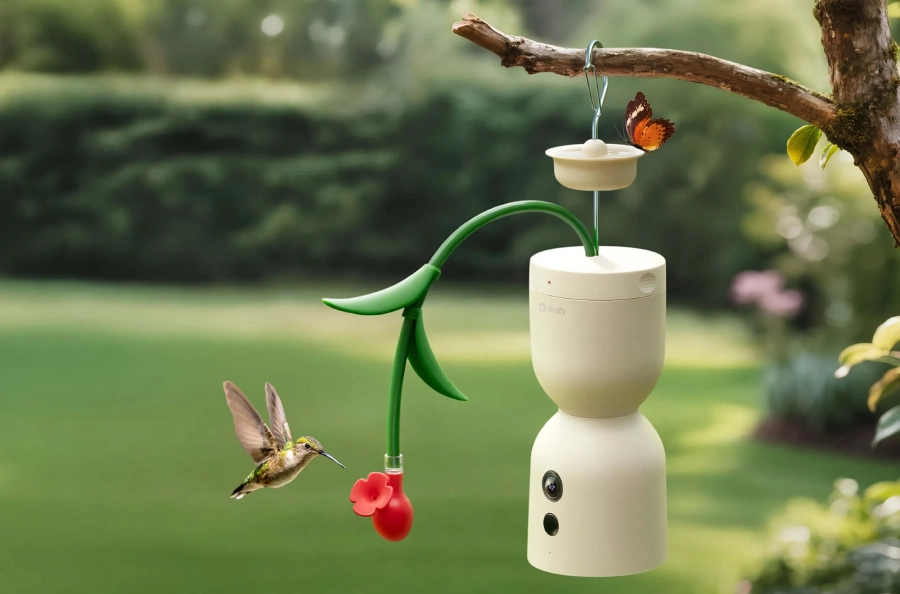
If you enjoy watching birds closely, a camera-equipped feeder from a brand like Birdfy can make the experience even more interesting by capturing visiting birds in photos and videos.
3. Provide Fresh, Clean Water
Food is important, but birds also need water for drinking and bathing.
A shallow birdbath is an easy addition to almost any backyard. Choose one with a gently sloping surface and a rough texture that gives birds a secure footing. Keep the water relatively shallow, especially for smaller species.
Change the water regularly and clean the bath to prevent algae and the buildup of dirt. During hot weather, check it more frequently because water can evaporate quickly.
If natural water sources are scarce in your neighborhood, a clean birdbath can make your backyard particularly attractive to local wildlife.
4. Plant Native Trees and Flowers
Native plants are among the best long-term ways to make your garden bird-friendly.
Depending on your region, native trees, shrubs, and flowering plants may provide berries, seeds, nectar, insects, and nesting opportunities. They can also offer shelter from harsh weather and potential predators.
Try choosing plants that provide food throughout different seasons. A mixture of trees, shrubs, and smaller flowering plants can support more wildlife than a lawn with very little vegetation.
If you’re unsure what to plant, contact a local gardening group or native plant nursery for recommendations suited to your climate.
5. Create Safe Places for Birds to Rest
Birds need more than food and water. They also need places to perch, rest, hide, and escape from danger.
Dense shrubs, leafy trees, and hedges can provide useful cover. If your yard has very little vegetation, consider adding a few suitable native shrubs or small trees.
Try to keep feeders away from places where cats can hide and ambush visiting birds. If you have outdoor pets, take additional precautions to reduce their access to bird-feeding areas.
A garden that provides both open feeding spaces and nearby safe cover is often more welcoming than one with feeders positioned in exposed locations.
6. Add a Nesting Box
Nesting boxes can provide shelter for certain cavity-nesting bird species that might otherwise struggle to find suitable nesting sites.
However, the right box depends on the birds native to your area. Entrance-hole size, interior dimensions, ventilation, drainage, and mounting height can all influence whether a species uses it.
Place the box in an appropriate location and follow local guidance on installation and maintenance. Avoid disturbing active nests, eggs, or young birds.
Not every bird will use a nesting box, but the right design can offer a valuable nesting opportunity for species that need one.
7. Keep Your Backyard Free From Harmful Chemicals
A healthy backyard should provide birds with a safe environment as well as food and shelter.
Pesticides and insecticides can reduce the insects many birds depend on for food. Some chemicals may also pose direct risks to wildlife.
Where practical, use integrated pest management techniques, such as removing damaged plant material, encouraging beneficial insects, and choosing plants suited to your local conditions.
Allowing some natural insect activity in your garden can support a healthier ecosystem and give insect-eating birds another reason to visit.
8. Keep Bird Feeders Clean
A bird feeder can attract plenty of visitors, but it can also become a source of disease if it isn’t maintained properly.
Regularly remove old food, droppings, and debris. Wash feeders according to the manufacturer’s instructions and allow them to dry thoroughly before refilling.
If you notice sick or dead birds around your feeders, temporarily stop feeding and follow guidance from your local wildlife or public health authorities about cleaning and restarting.
It’s also helpful to avoid overcrowding by providing enough feeding space and spreading multiple feeders apart when appropriate.
Clean equipment protects visiting birds and helps keep your backyard feeding area in good condition.
9. Make Bird-Watching More Enjoyable With Technology
Watching birds can become even more rewarding when you can observe their behavior without disturbing them.
A pair of binoculars is a useful starting point, while a camera feeder can record visitors that arrive when you’re busy or away from the yard.
Smart bird feeders, including camera-equipped models from Birdfy, can help you capture close-up footage and, on supported models, identify bird species through connected technology.
These devices can be especially useful for families, beginners, and people who want to learn more about the wildlife around their homes.
If you’re considering buying one, compare camera quality, battery life, weather resistance, storage options, and any subscription requirements. You can also look for a Birdfy coupon code to see whether a discount is available before making your purchase.
Remember that technology works best as a supplement to a bird-friendly environment. The most important things are still suitable food, clean water, natural cover, and a safe place to visit.
10. Be Patient and Observe Seasonal Changes
Attracting birds takes time. Some species may discover your feeder within days, while others might take weeks or longer to appear.
Start by providing suitable food and water, then observe which birds visit. You can keep a simple journal of the species you see, the times they arrive, and which foods they prefer.
Seasonal changes can also influence bird activity. Migration, breeding cycles, temperature, and natural food availability all affect which species visit your yard.
If a feeder remains quiet, try adjusting its location or changing the food to suit local birds. Make one change at a time so you can see what works.
Patience is part of the experience, and you may discover that even a small garden attracts more wildlife than you expected.
Final Thoughts
Attracting more birds to your backyard doesn’t require a major landscaping project. Small improvements, such as adding a clean birdbath, offering suitable food, planting native vegetation, and creating safe resting places, can make a meaningful difference.
Start with two or three changes and build from there. Keep your feeders clean, avoid harmful chemicals, and choose plants that support local wildlife throughout the year.
If you want to take your bird-watching further, binoculars or a camera-equipped feeder can help you observe visitors more closely and learn about their behavior.
With a little patience and regular care, your backyard can become a welcoming space for birds—and a wonderful place to enjoy nature every day.