








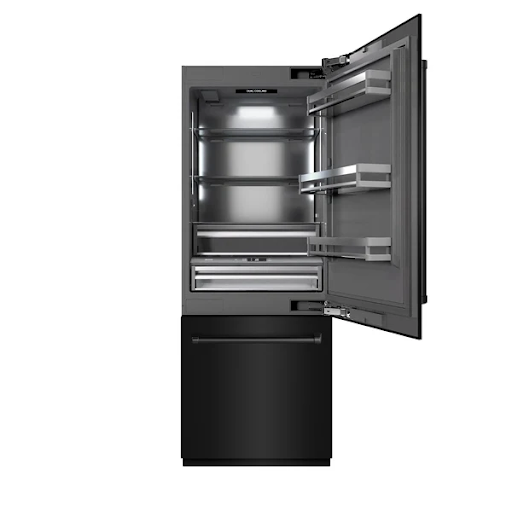
A refrigerator is usually the largest appliance in a kitchen, and it often decides how the whole room looks. A freestanding model sticks out past the cabinets, leaving gaps on the sides and above that collect dust and break up clean lines. That is why built-in fridges have become a favorite in remodeled kitchens across the United States. These units sit flush with surrounding cabinetry, and many accept custom panels so the appliance disappears into the design. Beyond looks, they offer deeper interiors, better temperature control, and a lifespan that often outlasts standard models. The trade-off is a higher price and stricter installation needs, so planning matters more than it does with a basic unit. This guide explains the main styles, the measurements to confirm, and the features that justify the investment, so you can compare options with confidence before committing to a cabinet layout.
Styles, Sizes, and Fit Within Your Cabinetry
Start with the configuration that suits your household. Bottom-freezer models place fresh food at eye level, French door versions allow easy access to wide shelves, and side-by-side units suit narrow aisles because the doors need little swing space. Column designs let you pair a separate refrigerator and freezer in different spots. Widths typically run from 24 to 48 inches, and depth is usually around 24 inches, matching standard cabinets. Measure the opening for height, width, and depth, and allow clearance for door swing, handles, and nearby walls. Ventilation is crucial: most built-in fridges need airflow through a grille at the base or top, and blocking it shortens compressor life. Panel-ready doors accept wood or laminate fronts that match your cabinets, while stainless options keep a professional look. Check the weight of the unit and the strength of the floor, since large models can be heavy once loaded.
Cooling Technology, Smart Features, and Efficiency
Cooling performance sets quality units apart. Dual compressors maintain separate climates in the fridge and freezer, which keeps food fresher and prevents odors from mixing. Humidity-controlled drawers extend the life of produce, and air filtration reduces spoilage. Connected models take this further. Shoppers comparing smart built-in fridges will find features such as door alerts, temperature monitoring, and remote diagnostics that notify you through an app when something needs attention. Some also offer inventory cameras and automatic ice settings, though these add cost and depend on a stable internet connection. Efficiency deserves attention as well. Look for the Energy Star label, LED lighting, and quality door seals that hold cold air in. A well-insulated cabinet cuts running costs over many years. When reviewing built-in fridges, also compare noise ratings, since an open-plan kitchen will highlight any loud compressor cycles or fan hum.
Conclusion
Professional installation protects both the warranty and the cabinetry. A technician will level the unit, connect the water line for ice and filtered water, and confirm electrical requirements. Plan these steps early, because water and power points must sit in the right place before cabinets are finished. Vacuum the condenser coils twice a year, replace water filters every six months, and wipe door gaskets to maintain a tight seal. Keep shelves from overloading, and avoid blocking vents inside the compartment. Many buyers find it useful to visit a showroom, where they can open doors, test drawers, and judge build quality. Suppliers such as Smart Home Luxury list a range of models in one collection, which makes comparing sizes and finishes simpler. In the end, the best choice balances capacity, fit, and service availability with your budget. With careful planning and routine care, built-in fridges deliver a clean look, steady cooling, and dependable performance for many years.