







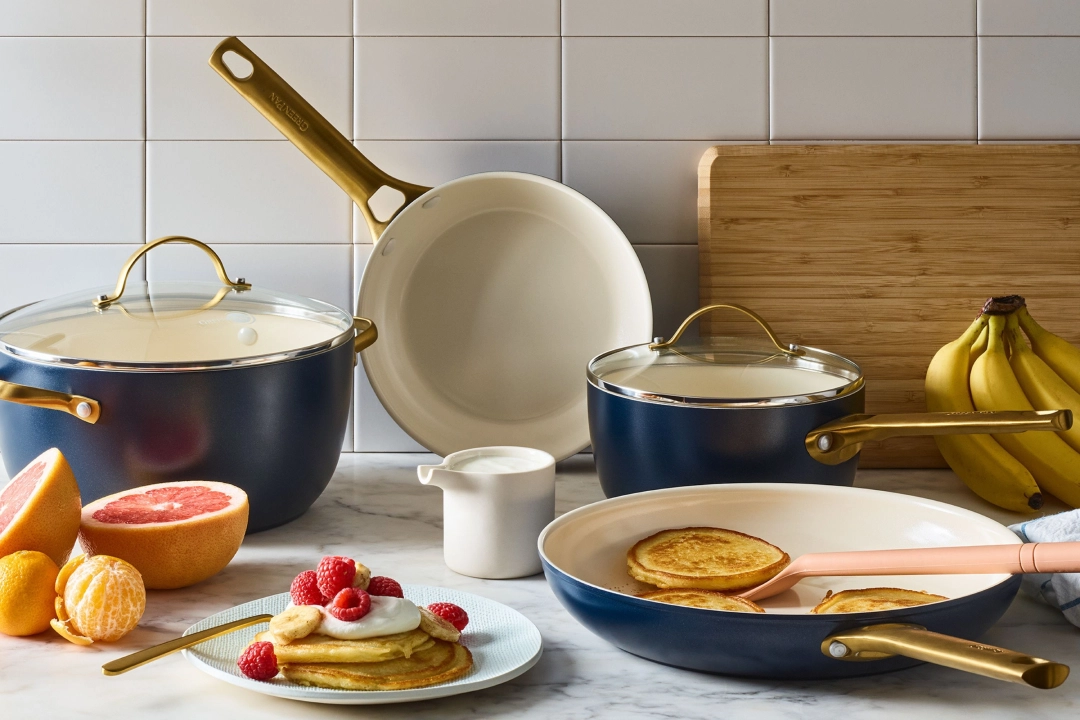
Setting up your first kitchen can feel overwhelming, especially when you start shopping for pots, pans, and other cooking essentials. With so many materials, sizes, brands, and features available, it is easy to spend money on cookware you may not actually need. The good news is that you do not need a cabinet full of expensive kitchen equipment to prepare delicious meals at home.
The best cookware for beginners is practical, durable, easy to use, and suitable for a variety of everyday recipes. Whether you are moving into your first apartment, learning to cook, or upgrading from basic kitchen equipment, choosing a few reliable pieces can make cooking more enjoyable and less stressful.
In this guide, we will cover the essential cookware every beginner should consider, explain the differences between popular materials, and share tips for building a kitchen setup that fits your cooking habits and budget.
What Cookware Does a Beginner Really Need?
Before purchasing a complete cookware set, think about the meals you plan to prepare regularly. Someone who mainly cooks eggs, pasta, and simple stir-fries will have different needs from someone who enjoys making soups, sauces, and elaborate dinners.
For most beginners, a few versatile pieces are enough to get started.
1. A Nonstick Frying Pan
A nonstick frying pan is one of the most useful items in a beginner’s kitchen. It makes cooking eggs, pancakes, fish, and other delicate foods easier because ingredients are less likely to stick to the surface.
A 10-inch frying pan is a practical starting point for preparing individual meals or cooking for two people. If you regularly cook for a family, a 12-inch option may be more suitable.
Look for a pan with a comfortable handle, even heat distribution, and a cooking surface that is easy to clean. To extend its lifespan, avoid overheating it, use utensils recommended by the manufacturer, and follow the care instructions.
2. A Stainless Steel Saucepan
A medium-sized saucepan is ideal for boiling eggs, preparing oatmeal, cooking rice, reheating leftovers, and making sauces. A capacity of approximately two to three quarts works well for many everyday tasks.
Stainless steel is a popular choice because it is durable, does not have a traditional nonstick coating, and can handle a wide range of cooking techniques. It is particularly useful for beginners who want cookware that can last for years with proper care.
Choose a saucepan with a secure-fitting lid and a sturdy handle. A model with an aluminum or other conductive core can also help improve heat distribution.
3. A Large Stockpot
A stockpot is useful for cooking pasta, preparing soups, making broth, and boiling larger quantities of food. Beginners who enjoy meal preparation or cooking for several people will appreciate having one available.
A pot with a capacity of around six to eight quarts is a good option for many households. However, smaller kitchens may benefit from a more compact model that takes up less storage space.
A well-fitting lid helps retain heat and moisture, while sturdy handles make the pot easier to move when it is full.
4. A Versatile Sauté Pan
A sauté pan has a wide cooking surface and relatively straight sides, making it useful for browning meat, cooking vegetables, preparing one-pan meals, and simmering sauces.
Unlike a shallow frying pan, a sauté pan usually offers more room for ingredients and liquids. This makes it a practical addition for anyone who wants to experiment with different recipes without buying several specialized pans.
If you are trying to keep your initial cookware purchases to a minimum, a deep skillet or sauté pan may cover many of the same tasks.
5. A Dutch Oven
A Dutch oven is not essential for every beginner, but it can be a valuable investment if you enjoy slow-cooked meals, stews, braised meat, or homemade bread.
Enameled cast iron models retain heat well and can move from the stovetop to the oven when the manufacturer’s instructions allow it. They are also available in a variety of colors and finishes.
Because quality Dutch ovens can be expensive and heavy, beginners on a tight budget can postpone this purchase until they know how often they will use it.
Understanding Different Cookware Materials
Cookware material affects how quickly a pan heats, how evenly it cooks, how much maintenance it requires, and how much it costs. Understanding these differences can help you choose pieces that match your experience level.
Stainless Steel Cookware
Stainless steel is an excellent option for beginners who want durable cookware for everyday cooking. It is suitable for browning, searing, sautéing, and preparing pan sauces.
Advantages:
- Durable construction with proper care.
- Suitable for a wide range of cooking techniques.
- No traditional nonstick coating to wear away.
- Often compatible with ovens and induction cooktops, depending on the model.
Potential drawbacks:
- Food can stick if the pan is not heated or used correctly.
- Some models have less effective heat distribution than fully clad alternatives.
- Cleaning burnt-on food may require additional effort.
Stainless steel is worth considering if you want to develop your cooking skills and learn techniques such as preheating a pan and controlling cooking temperatures.
Nonstick Cookware
Nonstick cookware is especially convenient for beginners because food releases easily, and cleanup is generally straightforward.
It is particularly useful for eggs, pancakes, delicate fish, and meals that require relatively little cooking oil.
Advantages:
- Easy food release.
- Convenient cleanup.
- Beginner-friendly for everyday meals.
- Often available at affordable prices.
Potential drawbacks:
- The coating can deteriorate over time.
- Excessive heat can damage some nonstick surfaces.
- Metal utensils and abrasive cleaning tools may shorten its lifespan.
Follow the manufacturer’s temperature limits and care instructions. Replace a pan if its coating becomes significantly damaged or begins to peel.
Cast Iron Cookware
Cast iron is known for excellent heat retention, making it useful for searing steaks, frying, baking, and cooking dishes that benefit from steady heat.
Traditional cast iron requires seasoning and appropriate drying to help prevent rust. Enameled cast iron does not require the same seasoning routine, although it still needs careful handling.
Advantages:
- Excellent heat retention.
- Can last for many years with proper maintenance.
- Suitable for stovetop and oven cooking when specified by the manufacturer.
Potential drawbacks:
- Heavy compared with many other cookware materials.
- Traditional cast iron needs more maintenance.
- Takes time to heat up and cool down.
Cast iron can be a good addition to a beginner’s kitchen, but it does not need to be your first purchase.
Ceramic-Coated Cookware
Ceramic-coated cookware offers a relatively smooth cooking surface designed to make food release easier. It appeals to people who prefer a different alternative to traditional nonstick coatings.
However, ceramic coatings can lose their nonstick performance with use, especially when exposed to excessive heat or abrasive cleaning.
Choose a reputable manufacturer, check the product’s care requirements, and avoid assuming that ceramic-coated cookware will remain nonstick indefinitely.
Should Beginners Buy a Cookware Set or Individual Pieces?
This is one of the most important decisions when setting up a kitchen. Both options have advantages, and the right choice depends on your budget, storage space, and cooking habits.
Buying a Cookware Set
A cookware set can be convenient because it provides several matching pots and pans in one purchase. Sets may also offer better value than purchasing each item separately.
They are a reasonable choice if you are moving into a new home and need to equip your kitchen from scratch.
However, some sets include multiple pieces you may rarely use. Before buying one, check which pots, pans, lids, and accessories are included rather than focusing only on the total piece count.
Buying Individual Pieces
Purchasing individual cookware gives you more control over quality and functionality. You can invest in a good frying pan, add a dependable saucepan, and expand your collection as your needs change.
This approach is often useful for beginners who have a limited budget or prefer to test different materials before committing to a complete set.
Our recommendation: Start with a nonstick frying pan, a stainless steel saucepan, and a medium-sized pot. Add more specialized cookware only when your recipes and cooking habits justify it.
How Much Should Beginners Spend on Cookware?
There is no single budget that works for every household. The right amount depends on how frequently you cook, the materials you prefer, and whether you need a complete collection or only a few essentials.
Budget cookware can be a sensible starting point, particularly if you are still learning which pieces you use most often. Mid-range cookware may offer a useful balance of durability, performance, and price, while premium products can appeal to people who cook frequently and value particular construction features.
Instead of buying the largest set you can afford, consider the long-term value of each item.
Ask yourself three questions before making a purchase:
- Will I use this pan several times a week?
- Does it offer a meaningful advantage over a less expensive alternative?
- Can I maintain it properly to help extend its useful life?
Premium cookware is not automatically the best choice for every beginner. A well-selected collection of affordable, reliable pieces can be more useful than an expensive set filled with cookware you rarely need.
Important Features to Check Before Buying
Beyond material and price, several practical features can make cookware easier and safer to use.
Cooktop Compatibility
Check whether the cookware works with your stove. Induction cooktops require compatible magnetic cookware, while gas and conventional electric stoves offer different compatibility considerations.
Do not assume every stainless steel or aluminum pan will work on induction. Check the manufacturer’s specifications before purchasing.
Heat Distribution
Cookware with a well-designed base or layered construction can distribute heat more evenly. This helps reduce hot spots that may cause food to cook unevenly.
Construction matters more than the material name alone, so compare the specifications of individual products.
Handle Comfort
Handles should feel secure and comfortable when you grip them. Consider their length, shape, attachment, and whether they become hot during use.
If you plan to move cookware into the oven, verify the maximum oven-safe temperature for the entire product, including its handles and lid.
Weight and Storage
Heavy cookware may retain heat well, but it can be difficult to lift, wash, and store. This is especially important when selecting large pots or cast iron pans.
Measure your cabinets and storage spaces before purchasing a large set. Stackable designs and protective pan separators can help prevent scratches.
Cleaning Requirements
Think realistically about how much maintenance you are willing to handle. Nonstick pans generally offer simpler cleanup, while stainless steel and traditional cast iron may require more attention depending on the food and cooking method.
Always follow the manufacturer’s cleaning recommendations.
Is Premium Cookware Worth It for Beginners?
Premium cookware can offer thoughtful design, durable construction, and reliable performance, but its value depends on how you cook.
If you are exploring higher-end options, reading a detailed Made In Cookware Review can help you understand the brand’s construction, product range, advantages, limitations, and whether its cookware suits your kitchen.
Made In is known for professional-style cookware, including stainless steel and carbon steel options. However, beginners should compare the specific product they are considering with more affordable alternatives before deciding.
A premium pan may be worth the investment if you cook frequently, want to develop advanced techniques, and expect to use it for years. If you are still learning basic recipes, starting with a smaller collection may be the more practical decision.
Common Cookware Mistakes Beginners Should Avoid
Even good cookware can perform poorly when it is used incorrectly. Avoiding a few common mistakes can help protect your investment.
Buying too much cookware at once: A large set may look impressive, but many beginners need only a few versatile pieces.
Using excessively high heat: High temperatures are not necessary for every recipe and can damage some coatings, scorch food, or cause uneven cooking.
Heating an empty nonstick pan for too long: Follow the manufacturer’s instructions and avoid prolonged empty preheating, which can overheat the cooking surface.
Using the wrong utensils: Metal utensils can scratch or damage some coatings. Choose utensils that are appropriate for the cookware material.
Ignoring cooktop compatibility: A pan that does not work with your stove can be an expensive mistake, particularly when buying induction cookware.
Neglecting cleaning and storage: Let cookware cool as recommended, clean it appropriately, and avoid stacking unprotected surfaces when doing so could cause scratches.
Expecting every pan to behave the same way: Stainless steel, nonstick, and cast iron require different techniques. Learning how each material responds to heat will improve your results.
How to Build Your First Cookware Collection Step by Step
You do not need to purchase everything at once. Building your collection gradually allows you to learn what works best for your kitchen.
Step 1: Start with everyday essentials. Buy one frying pan, one saucepan, and one pot that can handle your most common recipes.
Step 2: Learn basic cooking techniques. Practice preheating, adjusting heat, preventing food from sticking, and cleaning cookware correctly.
Step 3: Identify what is missing. If you frequently prepare one-pan dinners, consider a sauté pan. If you enjoy soups or slow-cooked meals, a larger pot or Dutch oven may be worthwhile.
Step 4: Upgrade strategically. Replace items that no longer meet your needs rather than purchasing a premium set simply because it is available.
Step 5: Maintain your cookware. Proper use, cleaning, and storage can help extend the useful life of many pots and pans.
Final Thoughts
Choosing the best cookware for beginners is about finding the right balance between functionality, durability, maintenance, and cost. You do not need a professional kitchen or a premium cookware collection to prepare excellent meals at home.
Start with a reliable frying pan, a versatile saucepan, and a pot that suits your cooking needs. Stainless steel is a strong option for durability and versatility, while nonstick cookware can make everyday cooking easier. Cast iron and ceramic-coated options can be added as your experience and preferences develop.
Before buying a complete set, compare materials, check compatibility with your cooktop, and consider how frequently you will use each piece. Focus on cookware that solves real problems in your kitchen rather than paying for features you may never need.