








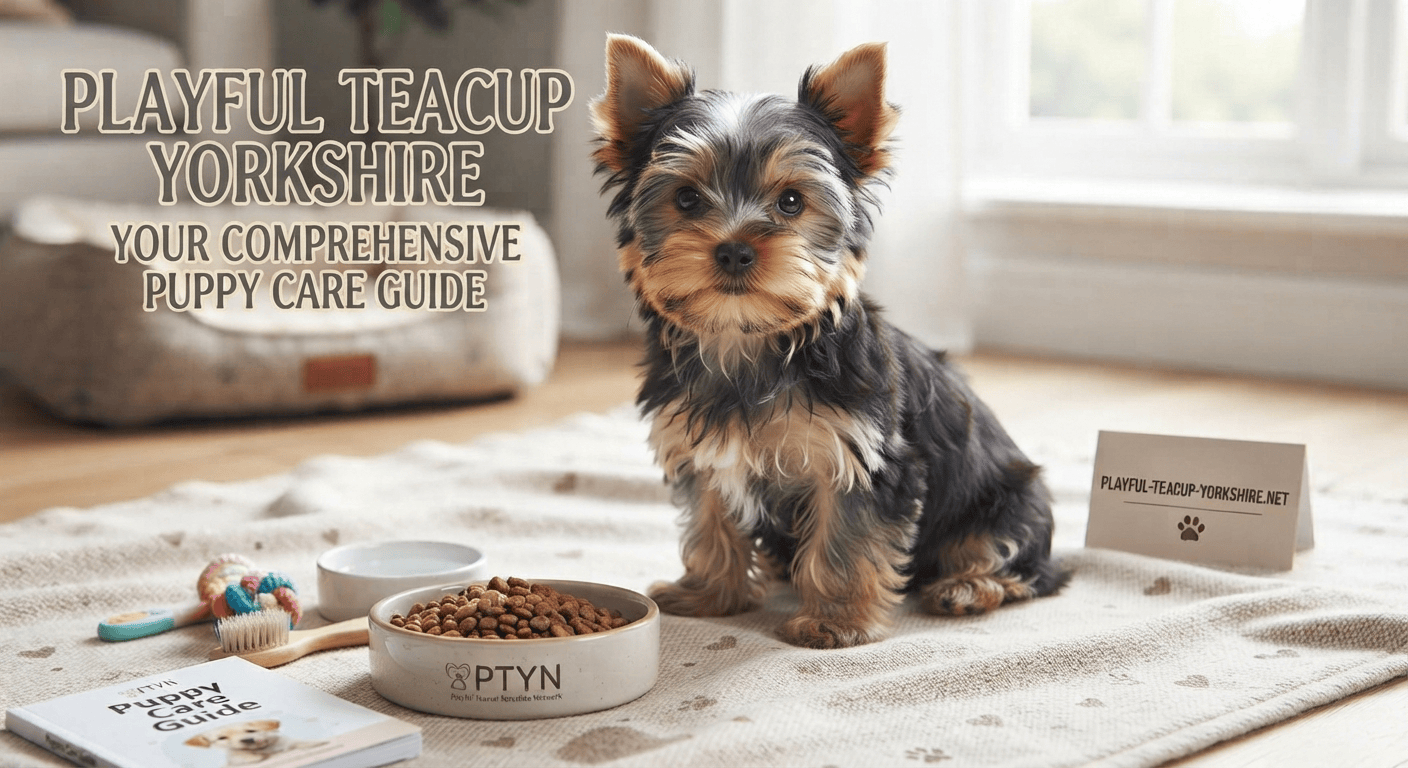
Yorkshire Terriers may be small, but they bring plenty of personality into a home. These alert, affectionate dogs often enjoy close companionship, short walks, indoor play, and learning new routines. However, their small size also calls for thoughtful handling, consistent grooming, and regular preventive care.
If you are researching yorkie puppies for sale, look beyond coat color, photographs, and advertised size. A responsible choice starts with understanding the breed, reviewing the puppy’s health background, and evaluating the person raising it. These steps can help you find a companion whose needs fit your household and lifestyle.
Understand the Yorkshire Terrier Personality
Yorkshire Terriers are members of the toy group, but their temperament reflects their terrier background. They are often confident, curious, energetic, and alert. Many form close bonds with their families and enjoy being involved in everyday activities.
Their small stature does not mean they need little attention. Yorkies benefit from daily interaction, positive training, and suitable exercise. They may also bark when they notice unfamiliar sounds or activity, so early training helps establish good habits.
Consider Your Household
A Yorkie can suit apartment living because of its compact size. Nevertheless, owners should provide regular walks, indoor play, and opportunities to explore safely.
Families with young children should plan careful supervision. A small dog can suffer injuries from accidental falls, rough handling, or being dropped. Teach children to approach gently and allow the puppy to rest without interruption.
Evaluate the Puppy’s Health and Background
Appearance alone cannot tell you whether a puppy is healthy. Look for bright, clear eyes, clean ears, a healthy coat, and comfortable movement. The puppy should show interest in its surroundings and respond appropriately to gentle interaction.
Ask for veterinary records that document examinations, vaccinations, deworming, and any treatment. Also, request details about the puppy’s diet and daily routine. This information helps your veterinarian plan the next steps after the puppy arrives.
Ask About Breed-Related Health Screening
Yorkshire Terriers can develop certain inherited or breed-associated health conditions. These include patellar luxation, which occurs when the kneecap moves out of its normal position, and some eye conditions.
The American Kennel Club lists patella and ophthalmologist evaluations among the recommended health tests for Yorkshire Terrier breeding dogs. Ask the breeder whether the parents completed these screenings and request documentation. A responsible breeder should explain the results rather than simply claim that the puppies are healthy.
You should also discuss dental care with your veterinarian. Small breeds can be prone to dental problems, so regular tooth brushing and professional checks matter.
Choose a Responsible Breeder
The person raising a puppy has an important influence on its early care and development. A responsible breeder should welcome reasonable questions and explain how the puppies live, eat, interact, and receive veterinary attention.
When comparing yorkie puppies for sale, ask to see where the litter spends its time. If possible, meet the mother and observe how she interacts with the puppies. The environment should appear clean, safe, and suitable for raising young dogs.
Useful questions include:
- What health screenings have the parents completed?
- Can I review the puppy’s veterinary and vaccination records?
- What food does the puppy currently eat?
- How do you introduce puppies to household sounds and gentle handling?
- At what age can the puppy leave its mother?
- What support do you offer after the puppy goes home?
- What does the purchase agreement cover?
Be cautious if a seller avoids questions, refuses to share records, or pressures you to pay immediately. A responsible breeder should also ask about your household, schedule, and experience with dogs. Their goal should be a suitable long-term match, not simply a quick sale.
Be Careful With “Teacup” Claims
Some sellers use the word “teacup” to describe exceptionally small Yorkshire Terriers. However, it is a marketing term rather than a separate recognized breed. Extremely small size should not be treated as proof of higher quality or greater desirability.
Very small puppies may require additional care and can face greater risks from injury or feeding difficulties. Ask about the puppy’s expected adult size, growth, health history, and veterinary assessment. Avoid choosing a puppy based only on promises that it will remain unusually tiny.
Understand Grooming and Everyday Care
A Yorkshire Terrier’s coat needs regular attention. Its fine, silky hair can tangle when owners neglect brushing. Dogs kept in a longer coat may need daily brushing, while a shorter pet trim can make routine maintenance easier.
Plan for regular bathing, coat trimming, nail care, and ear checks. You should also keep hair away from the eyes to reduce irritation. A professional groomer familiar with small breeds can help establish a manageable routine.
Plan Exercise, Training, and Socialization
Yorkies need daily activity, although their exercise requirements are manageable for many households. Short walks and supervised indoor games provide movement and mental stimulation. Avoid allowing a puppy to jump from furniture or climb unsafe heights.
Begin training with short, positive sessions. Reward calm behavior, successful toilet breaks, and simple cues. Gradually introduce new people, sounds, surfaces, and suitable experiences. Early socialization helps puppies become more comfortable with their surroundings.
Prepare Your Home Before Arrival
A little preparation can make the transition easier for both the puppy and your household. Set up a quiet sleeping area, food and water bowls, a suitable harness, and safe toys. Keep cleaning supplies, electrical cords, medications, and small objects out of reach.
Because Yorkies are small, inspect spaces where a puppy could become trapped or fall. Use barriers around stairs and supervise access to sofas and beds. Provide a consistent feeding and toilet schedule to help the puppy settle.
Arrange a veterinary appointment soon after arrival. Bring the puppy’s health records and ask about vaccination timing, parasite prevention, nutrition, dental care, and safe socialization. Keep feeding consistent at first, then discuss any diet changes with your veterinarian.
Conclusion
Choosing a Yorkshire Terrier involves more than finding a puppy with an appealing appearance. Consider temperament, health screening, breeder transparency, grooming demands, and the level of daily attention your household can provide. Careful preparation also helps protect a small puppy during its first weeks at home.
If you are exploring yorkie puppies for sale, use these considerations to guide your research and ask clear questions before making a commitment. Playful Teacup Yorkshire Puppies is a starting point for learning more about available puppies. Take time to review the information, verify health records, and choose a companion based on long-term well-being rather than size or appearance alone.