






Transporting building materials, machinery, pallets, and oversized equipment requires a vehicle that offers enough loading space and flexibility. Choosing the wrong truck can make loading difficult, increase the number of trips, and create unnecessary delays. For businesses, contractors, and individuals handling regular transportation jobs, selecting a suitable commercial vehicle is an important part of the planning process.
Table top trucks are a practical option for many transportation requirements. Their open loading decks provide convenient access to goods from different sides, making them suitable for carrying materials that may be difficult to fit inside enclosed vehicles. Whether you are working on a construction project, delivering landscaping supplies, or moving commercial equipment, hiring an appropriate truck can make the job easier.
Understanding What a Table Top Truck Is
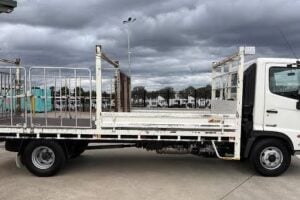
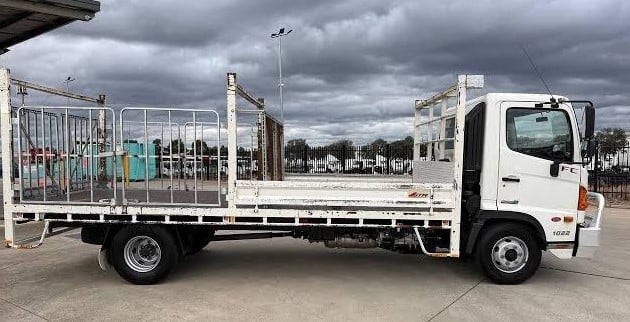
A table top truck is a commercial vehicle designed with a flat, open loading platform instead of an enclosed cargo compartment. Many models feature drop-side rails that can be lowered to make loading and unloading more convenient.
This design provides greater flexibility when transporting materials of different shapes and sizes. Items can be loaded from the sides or rear, depending on the available equipment and site conditions.
Unlike enclosed Pantech trucks, table top vehicles are not restricted by the height of a box-shaped cargo compartment. This makes them useful for transporting longer materials, construction supplies, machinery, and goods that require forklift access.
Some models also feature aluminium tray bodies, which provide a practical loading platform for regular commercial use.
Why Businesses Choose Table Top Trucks
Businesses often need vehicles that can handle different types of transportation work. Purchasing a commercial truck may not be suitable for every organisation, particularly when vehicle requirements change depending on workload and project schedules.
Hiring offers access to a suitable vehicle without the ongoing responsibility of owning another truck. It can be particularly useful for companies that experience seasonal demand, manage temporary projects, or need additional transport capacity.
A rented table top truck can support various operations, including warehouse deliveries, construction work, equipment transportation, and landscaping projects.
Short-term hire may suit a single delivery or a specific project, while longer rental arrangements can help businesses manage regular transportation requirements.
Transporting Building and Construction Materials
Construction sites regularly require materials to be transported between suppliers, warehouses, and project locations. Timber, steel, bricks, pipes, and other building products may need a vehicle with an open loading area.
Table top trucks provide a suitable platform for carrying these materials. Drop-side rails can make loading and unloading more convenient, particularly when workers need access to different sides of the tray.
Long materials such as timber and metal sections can also be easier to arrange on an open deck than inside an enclosed vehicle, provided their dimensions and weight are within the truck’s permitted limits.
For construction businesses operating across Sydney, having access to a suitable truck can help keep material deliveries organised and reduce unnecessary interruptions to work schedules.
Convenient Transportation of Machinery and Equipment
Moving machinery requires careful planning because equipment can be heavy, bulky, or difficult to position inside a standard commercial vehicle.
An open tray offers greater loading flexibility for certain types of machinery, generators, tools, and plant equipment. Where appropriate loading equipment is available, forklifts and other machinery can assist with placing items onto the truck.
However, the weight and dimensions of the equipment must always be checked before transportation. The truck’s payload capacity, axle limits, load distribution, and securing arrangements need to be considered.
Heavy machinery should be properly restrained using suitable equipment and approved methods. This helps prevent movement during braking, turning, and normal road travel.
For particularly heavy items that require lifting assistance at the delivery location, a crane-equipped Hiab truck may be a more suitable choice.
Making Pallet Deliveries Easier
Palletised goods are common in warehouses, factories, retail businesses, and distribution centres. Transporting these products efficiently requires a vehicle that works well with forklifts and pallet-handling equipment.
A table top truck with an open tray can make pallet loading more convenient. Forklifts may be able to position pallets from the side or rear, depending on the vehicle design and available loading facilities.
This arrangement can save time when handling multiple deliveries and reduce the need to manually move individual packages.
Businesses transporting packaged stock, commercial supplies, and wholesale products can benefit from planning pallet placement before loading begins.
It is important to distribute weight evenly and secure every pallet appropriately. Loads should remain within the tray dimensions and should not create unsafe projections beyond the vehicle.
Supporting Landscaping and Outdoor Projects
Landscaping work involves transporting different types of materials, including soil, mulch, pavers, timber, plants, and gardening equipment.
An open tray can provide useful space for carrying these supplies between suppliers and residential or commercial properties.
For example, a landscaping contractor may need to transport paving materials to a residential project while also carrying tools and other equipment. A suitable table top truck can help manage these deliveries within one planned journey.
However, loose materials such as soil and mulch must be properly contained and secured during transportation. If a project involves carrying and unloading large quantities of loose bulk material, a tipper truck may be a better option.
Understanding the difference between vehicle types can help prevent booking a truck that does not match the actual requirements of the job.
Choosing Table Top Truck Rental in Sydney
When comparing table top truck rental Sydney options, it is important to consider more than the daily rental price. The vehicle’s specifications, availability, loading features, and hire conditions should all match your transportation needs.
Start by estimating the dimensions and total weight of the materials you intend to carry. Check whether the vehicle provides sufficient tray length, width, payload capacity, and suitable drop-side access.
You should also consider where the truck will be used. Some construction locations have narrow access roads, limited parking, or restricted loading areas. Checking these conditions beforehand can help you select a suitable vehicle.
Other important considerations include:
- Vehicle capacity: Confirm the maximum permitted payload and dimensions.
- Loading requirements: Determine whether forklift access or additional loading equipment is needed.
- Rental period: Choose a hire duration that suits your project schedule.
- Licence requirements: Confirm that your licence covers the selected vehicle.
- Delivery arrangements: Ask whether the truck can be delivered and collected at your preferred location.
Discussing these details before booking can help avoid unexpected issues on the day of transportation.
The Importance of Safe Loading and Load Security
An open tray provides flexibility, but it also requires proper attention to load security. Materials should be positioned carefully to prevent movement during transportation.
Heavy items should be distributed appropriately across the loading platform. Uneven weight distribution can affect vehicle handling and create unnecessary pressure on particular axles.
Use suitable straps, chains, restraints, and protective equipment according to the type of load being transported. Check that all securing arrangements are appropriate for the weight and shape of the goods.
Long materials may require additional attention to overhang limits, visibility, and warning requirements. Loose products must be contained to prevent them from falling or spreading onto the road.
Before starting the journey, inspect the load and confirm that all restraints are properly secured. It is also advisable to recheck them during longer trips when safe to do so.
Following the vehicle manufacturer’s instructions and applicable road transport requirements is essential for safe operation.
Flexible Hire Options for Different Transport Requirements
Not every business needs a commercial truck every day. Some companies only require additional transport capacity during busy periods, while others need a vehicle for ongoing operations.
Flexible rental arrangements can accommodate these different requirements. A short-term booking may be suitable for a weekend construction project, equipment delivery, or temporary warehouse requirement.
Long-term hire can be useful for businesses that regularly transport products but prefer not to purchase an additional vehicle.
Availability is another important consideration. Construction deadlines, urgent deliveries, and changes in business schedules can create a need for transportation outside regular working hours.
Access to rental assistance around the clock can provide additional convenience when arranging a vehicle at short notice. Vehicle delivery and collection services can also reduce the time spent organising transportation.
Comparing Table Top Trucks with Other Commercial Vehicles
Choosing the correct vehicle is essential because different trucks are designed for different jobs.
Pantech trucks feature enclosed cargo compartments and are generally suitable for furniture, appliances, packaged goods, and freight that needs protection from weather conditions.
Table top trucks are better suited to open-deck loads, building materials, pallets, machinery, and longer items.
Hiab trucks feature crane equipment that can lift and position heavy materials where conventional loading equipment may not be available. Tipper trucks are designed to unload bulk materials such as soil, gravel, sand, and construction waste using a hydraulic tipping mechanism.
Understanding these differences makes it easier to choose a vehicle based on the actual transportation task rather than simply selecting the largest available option.
Making Transportation More Efficient Across Sydney
Sydney’s construction, commercial, and industrial sectors create regular demand for reliable transportation. From delivering building supplies in Western Sydney to moving machinery between commercial locations, having access to an appropriate truck can make daily operations more manageable.
Table top trucks offer practical loading flexibility for many types of commercial work. Their open decks, accessible loading areas, and ability to accommodate different materials make them a useful option for contractors and businesses.
Before arranging a rental, review your load requirements, confirm vehicle specifications, and plan the loading and delivery process. Selecting the right hire period and checking rental conditions can also help you manage costs.
With proper preparation and a suitable vehicle, transporting building materials, pallets, machinery, and commercial supplies across Sydney can become a more organised and efficient process.