




Every online shopper has done it. You get to the checkout page, spot a small box that says “Discount code,” and wonder whether it’s worth a quick search before paying.
It usually is. A single code can take 10% or 20% off your order, and it takes about a minute to find one. But there’s more to it than pasting the first code you come across. Knowing how discount codes work helps you pick the right one and avoid the traps.
What is a discount code?
A discount code is a set of letters and numbers that a store gives you to reduce the price of your order. You enter it at checkout and the total drops. Some codes take off a percentage, some take off a fixed amount, and some remove delivery charges.
Stores don’t hand these out of kindness. They use them to attract first-time buyers, move extra stock, bring back people who left items in their cart, and reward loyal customers. If you understand the store’s goal, you can guess where the best codes are hiding.
The main types of discount codes
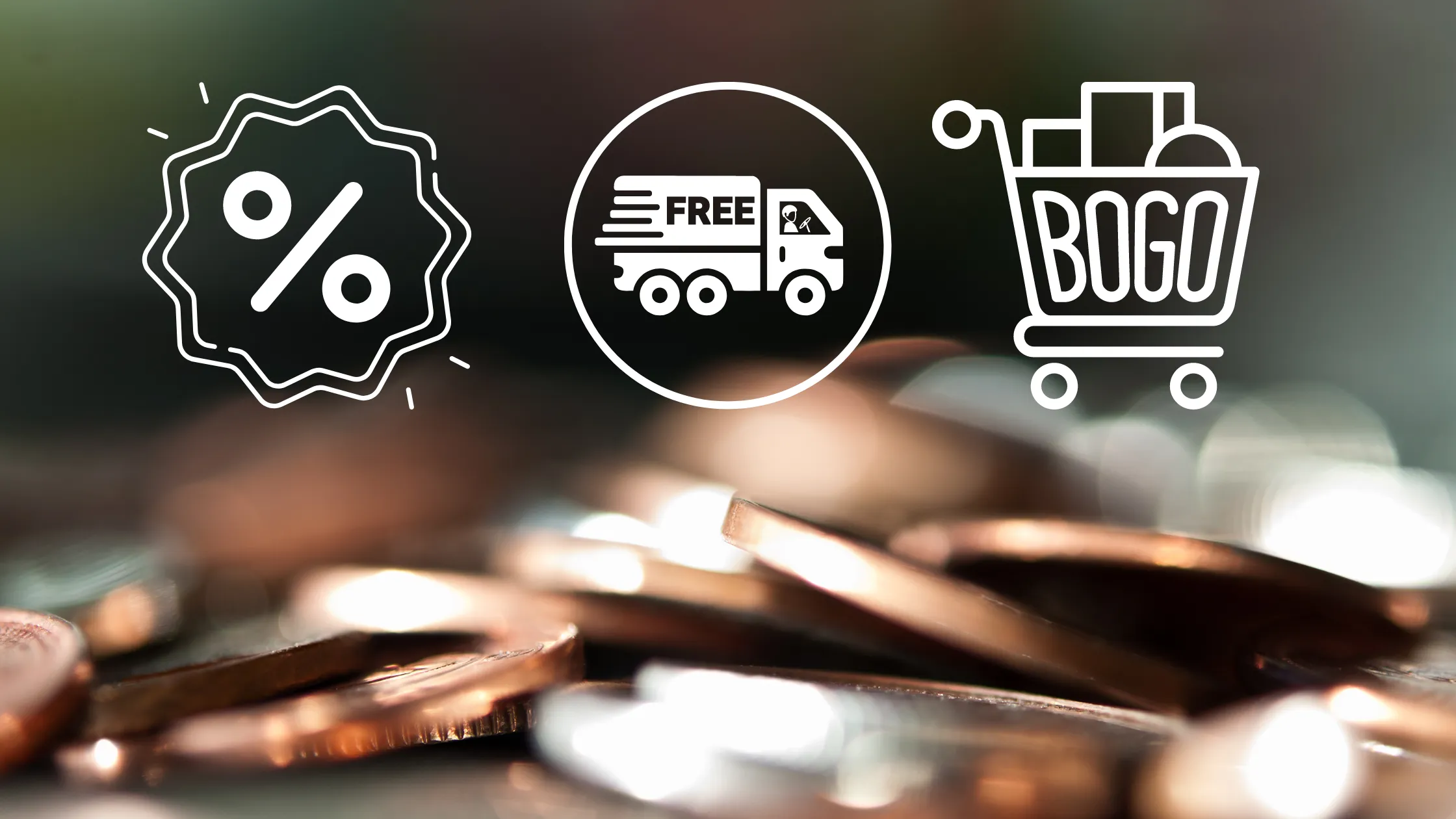
Percentage codes. These take a set percentage off, like 15% off your order. They’re the most common type and work well on bigger purchases.
Fixed-amount codes. These take a flat sum off, such as $10 off orders above $50. They suit smaller baskets better than percentage codes do.
Free shipping codes. Delivery fees can quietly add 10% or more to a purchase. A free shipping code is often worth more than it looks.
Buy one, get one codes. The store gives you a second item free or at a reduced price. Check which item is discounted, because it’s usually the cheaper one.
First-order codes. Offered for signing up to a newsletter or creating an account. Handy if you’re new to a store.
Referral codes. A friend shares a code, you both get a reward. These are easy to find if you ask around.
Where to find discount codes that work
You don’t need to visit twenty websites. A few reliable places cover most of it.
- The store’s own newsletter. Signing up often gives an instant welcome code.
- Social media pages. Brands post flash codes on their official accounts, sometimes for just a few hours.
- Verified coupon websites. Choose sites that show when each code was last tested.
- Browser extensions and cashback apps. These can test codes for you and add cashback on top.
- Customer support. A short message on live chat sometimes gets you a code the website never advertises.
How to use a discount code properly
- Add your items to the cart first.
- Read the terms: minimum spend, exclusions and expiry date.
- Enter the code exactly as written, with no extra spaces.
- Check that the total actually changed before you pay.
- Compare the final price, delivery included, with one other store.
That last step matters more than people think. A 20% code on an inflated price can still cost more than a plain price somewhere else.
Common mistakes to avoid
- Chasing huge numbers. Offers of 80% or 90% off a well-known brand are nearly always fake or bait. Genuine discounts usually fall between 10% and 30%.
- Ignoring the fine print. Many codes exclude sale items or require a minimum spend.
- Buying things you don’t need. A discount on something you never wanted isn’t a saving. It’s still spending.
- Trusting unknown sites. Never enter card details on a website you wouldn’t normally trust, however tempting the code.
- Forgetting expiry dates. Always check before you build your cart around a code.
Timing: when discount codes are strongest
Stores release their best codes at predictable moments: Black Friday and Cyber Monday, end-of-season clearances, brand anniversaries and holiday weekends. If you can wait for one of these, you’ll often find deeper discounts than at any other time of year. With Black Friday only weeks away, now is a good moment to start watching the stores you buy from.
The bottom line
A discount code is a simple tool, but it works best when you use it with a little thought. Know the type of code you have, read the rules, check the real final price and give yourself a short wait before buying. Do that, and you’ll save more money with less effort, and you’ll rarely get caught out by a code that doesn’t work.