






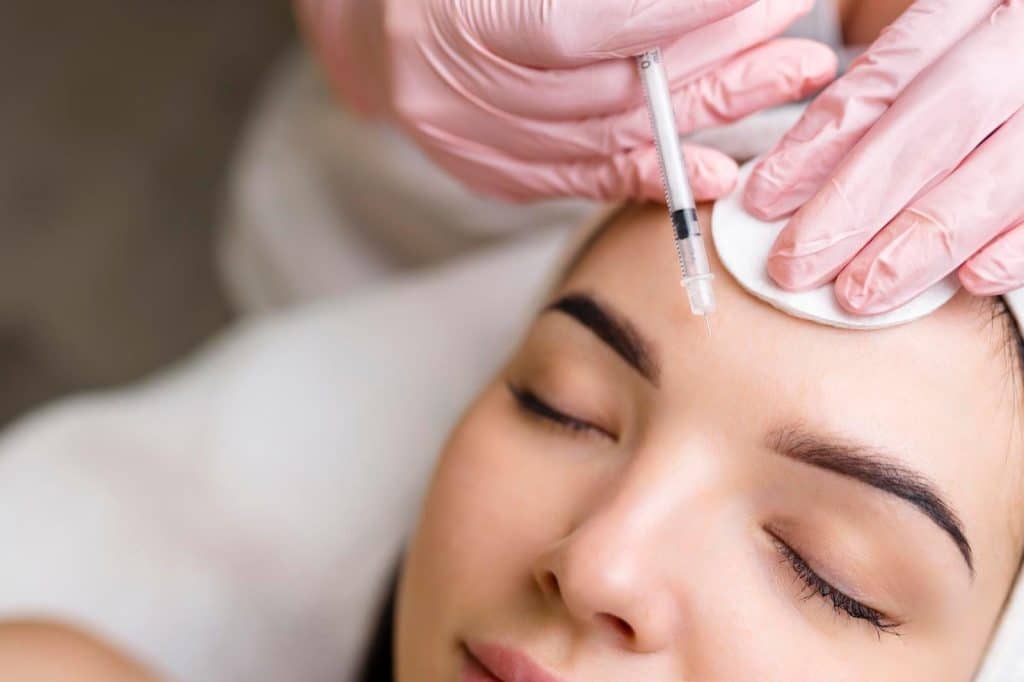
Forehead lines often appear long before people notice deeper creases elsewhere on the face. Raising the eyebrows in conversation, squinting against bright sunlight, or reacting with surprise repeatedly folds the skin across the upper face. For readers exploring subtle aesthetic options, Baby Botox in Abu Dhabi has become a widely discussed approach to softening these lines while preserving natural facial expression.
-
Core answer: Yes, microdose neuromodulator injections help soften horizontal forehead lines when the creases are driven by muscle movement.
-
Key distinction: Subtle microdosing relaxes targeted muscle fibers gently rather than freezing the entire forehead.
-
Context & focus: This guide examines how forehead lines form, how microdosing works, who tends to see the best results, and what to expect over time.
How Forehead Lines Form and Why They Deepen Over Time
Horizontal creases across the brow develop through a mix of repetitive muscle contraction and gradual skin changes. Every time the frontalis muscle pulls upward, the overlying skin folds into temporary waves that smooth out in youth as collagen and elastin snap back. Over years of daily expression, repeated folding wears down structural support in the dermis so faint lines linger even when the face relaxes.
-
Dynamic creases: Lines that appear mainly when raising the eyebrows, looking upward, or holding tension in the brow.
-
Static creases: Lines that remain visible at rest after years of repeated folding and gradual collagen decline.
-
Skin texture role: Dehydration, sun exposure, and thinner upper-facial skin can make existing creases look sharper.
Dynamic Lines vs. Static Creases
Understanding the difference between movement-driven lines and resting creases sets realistic expectations for any smoothing treatment. Dynamic lines respond directly to reduced muscle pull across the forehead, allowing the skin above the muscle to lie flatter during expression. Static creases can also soften once constant folding stops, though deeper etched lines often improve gradually rather than vanishing overnight.
-
Movement-driven lines: Tend to soften noticeably once excessive upward muscle pull is toned down.
-
Resting lines: Often look lighter over time as the skin stops folding along the same groove every day.
-
Combined patterns: Many adults have both subtle resting lines and stronger creases when raising their brows.
Facial Expression and Muscle Balance
The frontalis is the broad sheet of muscle responsible for lifting the eyebrows and creating horizontal forehead lines. Because it works alongside brow-depressing muscles near the eyes and glabella, subtle shifts in how strongly the frontalis pulls affect overall expression. Keeping gentle, balanced movement helps avoid a heavy or overly stiff look across the upper face.
-
Frontalis activity: Drives horizontal lines whenever you lift your eyebrows to express surprise or curiosity.
-
Opposing brow muscles: Pull downward near the inner and outer brow, creating a natural tug-of-war in facial expression.
-
Balanced movement: Preserving light motion keeps eyebrows looking expressive and natural rather than rigid.
What Baby Botox Is and How It Differs From Standard Dosing
Microdosing uses smaller, carefully spaced amounts of neuromodulator rather than a single heavier dose in fewer spots. Instead of aiming for complete stillness across the forehead, the goal is a lighter touch that reduces over-contraction while letting subtle expression remain. Many people gravitate toward this approach when they want fresh-looking skin without feeling that their forehead is locked in place.
-
Smaller increments: Uses diluted or smaller per-point doses placed across targeted areas of the forehead.
-
Subtle movement: Allows mild eyebrow lift and natural expression instead of a completely frozen look.
-
Gradual refinement: Focuses on gentle softening so friends notice rested skin rather than an obvious procedure.
Microdosing vs. Traditional Neuromodulator Protocols
Traditional protocols typically use higher units per injection site to produce stronger, longer-lasting muscle relaxation across a broader zone. Microdosing trades maximum muscle stillness for lighter modulation, often spreading smaller amounts across more points to keep the brow line even. Choosing between them depends on how strong your muscle movement is and how much expression you want to keep.
-
Dose strategy: Microdosing favors smaller, distributed points; traditional dosing often uses higher units per site.
-
Expression profile: Microdosing keeps lighter natural motion; traditional dosing produces firmer stillness.
-
Suitability: Microdosing fits mild-to-moderate lines and subtlety seekers; heavier dosing may suit strong muscle pull.
Why Precision Mapping Matters on the Forehead
No two foreheads share the exact same muscle width, height, or fiber pattern. Some people lift evenly across the whole brow, while others pull mostly toward the center or outer edges. Mapping how the muscle moves during active expression helps place microdoses where they smooth lines without weighing down the brow.
-
Individual anatomy: Forehead muscle height and width vary significantly from person to person.
-
Pattern recognition: Watching how creases form when raising the brows guides where lighter or steadier placement belongs.
-
Brow support: Careful placement helps prevent unwanted heaviness above the eyes or uneven arch lift.
How Baby Botox Smooths Forehead Lines
Neuromodulators work at the junction between motor nerves and muscle fibers by temporarily blocking the signal that triggers contraction. When the frontalis contracts with less force, the skin above it experiences less repetitive folding throughout the day. Over several days to two weeks, this calmer muscle baseline gives horizontal forehead lines room to look smoother and less etched.
-
Signal modulation: Temporarily reduces nerve signals telling the forehead muscle to contract hard.
-
Reduced folding: Less frequent bunching means fewer deep creases forming during normal conversation.
-
Smoother surface: Skin across the upper third of the face often looks calmer and more even.
Timeline of Onset, Peak Effect, and Wearing Off
Results from a neuromodulator treatment never appear instantaneously; the biological calming process builds gradually. Most people begin noticing subtle softening within a few days, with fuller smoothing developing around two weeks. Because microdoses use lighter amounts, the gradual return of normal muscle movement can sometimes happen slightly sooner than with heavier doses.
-
Early days: Subtle softening often starts around days three to five as muscle signals ease.
-
Full effect: Most noticeable smoothing typically settles in by around two weeks.
-
Gradual fade: Normal muscle movement returns progressively rather than switching back all at once.
What Results Look Like in Everyday Life
When microdosing works well, the change reads as rested, smooth skin rather than a dramatic transformation. Raising your eyebrows still happens to a degree, yet the deep horizontal ridges that used to crease sharply are much softer. Many people describe the result as looking well-rested even after long workdays or bright outdoor light.
-
Natural look: Eyebrows can still lift gently without creating deep, rigid horizontal grooves.
-
Camera and daylight appeal: Smoother forehead contours reduce harsh shadow lines under overhead or natural light.
-
Subtlety: Changes blend with everyday grooming and skincare rather than announcing a cosmetic change.
Who Is a Good Candidate for Forehead Microdosing?
Microdosing appeals to a wide range of adults who want gentle smoothing of forehead lines while keeping their natural character intact. It is especially popular among first-time aesthetic seekers who feel hesitant about looking frozen or overdone. However, individual skin thickness, line depth, and facial habits still shape how dramatic the improvement looks.
-
Early line prevention: People noticing fine expression lines who want to soften creases before they set in deeper.
-
Subtlety-focused adults: Individuals who prioritize natural movement and subtle polish over maximum stillness.
-
Experienced patients: People who want a lighter touch or smoother transition between appointments.
Factors That Influence Forehead Smoothing Outcomes
Two people can receive similar microdose placement and see slightly different levels of forehead smoothness. Deeper static lines, stronger frontalis habits, and daily skincare habits all play a role in the final visual result. Setting expectations around both muscle relaxation and skin quality leads to the most satisfying outcome.
-
Line depth: Fine dynamic lines smooth more readily than deeply etched static creases.
-
Muscle strength: Very strong brow lifters may notice movement returning sooner with light microdosing.
-
Skin condition: Well-hydrated, sun-protected skin reflects light more evenly over treated areas.
Pairing Forehead Smoothing With Daily Skin Habits
Muscle relaxation addresses the mechanical folding of the forehead, while daily skin care supports the surface texture above it. Consistent broad-spectrum sunscreen, gentle hydration, and targeted skin ingredients help keep the skin barrier resilient. Together, calmer muscle pull and healthy skin texture create a cleaner, smoother appearance across the brow.
-
Sun protection: Daily sunscreen helps prevent UV rays from breaking down collagen and deepening creases.
-
Hydration support: Humectants and barrier moisturizers plump fine surface dryness that exaggerates lines.
-
Consistent routine: Steady daily habits help maintain smooth-looking skin between aesthetic visits.
Planning Expectations and Maintenance
Because neuromodulator effects are temporary by design, forehead line smoothing requires periodic maintenance rather than being a one-time permanent fix. Planning ahead around work schedules, travel, and social events helps you time appointments smoothly. Keeping notes on how your forehead moves and how long your results last makes future sessions even more tailored.
-
Temporary nature: Effects gradually wear off as nerve-to-muscle signaling resumes over time.
-
Maintenance rhythm: Repeat sessions are typically scheduled every few months depending on individual response.
-
Long-term perspective: Consistent, gentle care keeps expression lines softer over years rather than letting them deepen unchecked.
Preparing for an Appointment and Aftercare Basics
Approaching a forehead session with clear goals and simple preparation keeps the experience straightforward. Most people appreciate arriving with clean skin and knowing their preferences for brow movement ahead of time. Following basic post-visit guidance helps the product settle cleanly in the intended area.
-
Clear goals: Decide beforehand whether you prefer maximum lightness or slightly stronger line smoothing.
-
Clean canvas: Arriving with a fresh, makeup-free forehead makes assessing expression easier.
-
Gentle follow-through: Following standard post-care instructions supports predictable, even settling.
Evaluating Long-Term Value and Consistency
Long-term satisfaction with forehead line treatment comes from consistency, restraint, and realistic goals. Subtle smoothing over time often looks more natural than chasing extreme stillness every few months. Tracking how your forehead responds across cycles helps you find a steady rhythm that fits your lifestyle.
-
Steady pacing: Spacing maintenance thoughtfully keeps results consistent without overdoing treatment.
-
Holistic view: Combining gentle muscle softening with healthy skin habits supports lasting smoothness.
-
Personal fit: The right approach always matches your facial proportions and comfort with movement.
Frequently Asked Questions About Baby Botox for Forehead Lines
1. Does Baby Botox completely erase deep forehead lines?
Baby Botox softens movement-related forehead lines very effectively, especially dynamic creases that appear when you raise your eyebrows. Deeply etched static lines that stay visible at rest often become lighter and less noticeable once constant folding stops, though stubborn creases may still show faint texture.
-
Best on dynamic lines: Smooths expression creases caused by frontalis muscle contraction.
-
Gradual on static lines: Can soften resting creases over time as repetitive folding decreases.
-
Realistic expectation: Aims for smoother, softer lines rather than erasing every trace of skin texture.
2. Will my forehead look frozen or unable to move?
No, preserving natural movement is one of the main reasons people choose a microdose approach over heavier dosing. You should still be able to show subtle expression across your brow, just with less intense creasing when you lift your eyebrows.
-
Lighter muscle effect: Uses smaller doses intended to ease over-contraction rather than lock the muscle.
-
Expressive balance: Keeps a natural sense of expression while calming harsh horizontal lines.
-
Customizable feel: Dose placement and lightness can be adjusted to suit your preference for movement.
3. How long do forehead smoothing results from Baby Botox typically last?
Results from microdosing generally last around two to three months, though individual metabolism and muscle strength cause variation. Because lighter amounts are used, some people notice subtle movement returning a bit earlier than with standard dosing.
-
Typical window: Commonly lasts around two to three months for most individuals.
-
Individual variation: Faster metabolism or strong brow muscles can shorten how long smoothness holds.
-
Gradual return: Motion comes back slowly over time rather than disappearing all at once.
4. Can Baby Botox be combined with other aesthetic or skincare routines?
Yes, many people pair forehead neuromodulator treatments with everyday skincare routines and other non-surgical treatments to address both muscle motion and skin quality. Combining approaches helps smooth expression lines while supporting hydration, tone, and overall skin health.
-
Skincare synergy: Daily sunscreen and hydrating skincare support smoother-looking skin over the forehead.
-
Complementary options: Can be paired with other targeted treatments depending on individual skin goals.
-
Coordinated timing: Spacing treatments thoughtfully ensures each step supports smooth, even results.