



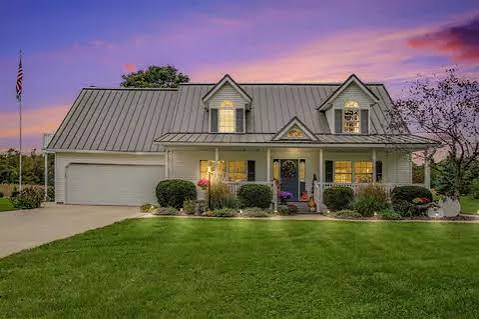
Managing a property requires consistent attention to maintenance, organization, safety, and the condition of different building features. Residential homes, rental properties, commercial buildings, and other spaces need regular care to remain functional and well-maintained. Property Management in Constantine, MI involves understanding property needs, coordinating maintenance tasks, monitoring building conditions, and maintaining organized spaces throughout the year.
Property management is not limited to handling repairs when something goes wrong. It also includes preventative maintenance, seasonal planning, inspections, organization, and addressing issues before they become more complicated. A structured approach can help property owners maintain their buildings, outdoor spaces, and surrounding areas more effectively.
1. Understanding the Fundamentals of Property Management
Property management involves overseeing the condition, functionality, and maintenance of a property. Depending on the property type, responsibilities may include maintaining buildings, managing outdoor areas, coordinating repairs, monitoring maintenance schedules, and keeping spaces organized.
Residential and commercial properties may have different requirements, but both benefit from regular inspections and planned maintenance. Understanding the property’s condition and identifying its priorities can help create a more efficient management routine.
Identifying Property Maintenance Needs
Every property has different maintenance requirements depending on its age, layout, construction materials, usage, and surrounding environment. Some properties may require regular lawn care and landscaping, while others may need more attention to exterior surfaces, drainage, storage areas, or building systems.
Identifying maintenance needs can help property owners prioritize tasks. Inspecting different areas of the property regularly may reveal damaged surfaces, accumulated debris, drainage issues, or equipment that requires attention.
Establishing a Management Routine
A consistent management routine can help property owners keep track of maintenance responsibilities. Tasks may include inspecting the property, checking exterior areas, reviewing repair needs, maintaining records, and scheduling seasonal work.
Establishing a routine makes it easier to identify problems early and organize maintenance activities according to urgency. It can also help prevent important tasks from being overlooked.
2. Maintaining Property Exterior Areas
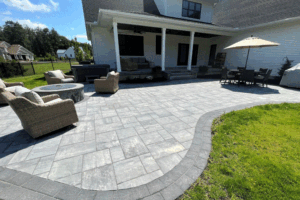
The exterior condition of a property influences its appearance, accessibility, and overall functionality. Building entrances, lawns, walkways, parking areas, fences, and outdoor structures require regular attention to remain in good condition.
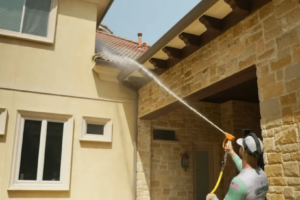
Exterior maintenance may involve cleaning, landscaping, debris removal, minor repairs, and monitoring weather-related damage. Maintaining these areas can help create a more organized environment while supporting the property’s long-term condition.
Maintaining Outdoor Spaces
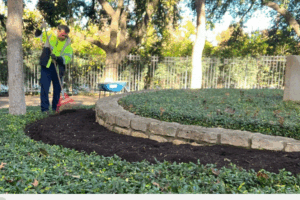
Outdoor spaces often require several maintenance activities throughout the year. Grass may need regular mowing, trees and shrubs may require trimming, and garden beds may need cleaning or seasonal preparation.
Maintaining outdoor areas can help improve property appearance and accessibility. Regularly removing debris, managing vegetation, and keeping pathways clear can also help reduce potential hazards.
Inspecting Exterior Structures
Exterior structures such as fences, sheds, decks, gates, and outdoor storage areas may experience wear from weather and regular use. Periodic inspections can help identify loose components, damaged materials, or other issues that require attention.
Addressing maintenance concerns early may help prevent additional damage. Keeping exterior structures in good condition can also support the overall functionality and appearance of the property.
3. Organizing Property Maintenance and Repairs
Maintenance and repair tasks are an important part of managing properties. Building components, appliances, fixtures, exterior features, and other equipment may require attention as they experience regular use or environmental exposure.
Organizing maintenance tasks according to their urgency can help property owners manage resources more effectively. Safety-related issues and problems that could cause additional damage should generally receive prompt attention.
Prioritizing Maintenance Tasks
Not every maintenance issue requires the same level of urgency. Some problems may involve immediate safety concerns, while others may be cosmetic or related to routine upkeep.
Creating a priority list can help property owners determine which tasks should be addressed first. Reviewing the condition of building systems, outdoor structures, and frequently used areas may help establish a practical maintenance schedule.
Keeping Maintenance Records
Maintenance records can provide useful information about repairs, inspections, equipment, and recurring property issues. Recording completed tasks, dates, and observations may help property owners identify patterns and plan future maintenance.
Organized records can also support budgeting and help ensure that important maintenance activities are completed consistently. Keeping documentation accessible can make property management more efficient over time.
4. Managing Landscaping and Lawn Maintenance
Landscaping is an important part of property management because outdoor spaces contribute to the appearance and functionality of a property. Lawns, trees, shrubs, garden beds, and pathways may require regular maintenance to remain attractive and accessible.
Property managers may need to coordinate mowing, trimming, seasonal cleanup, plant care, and other landscaping activities. Maintaining outdoor spaces can help create a welcoming environment and support the property’s overall condition.
Maintaining Healthy Lawn Areas
Regular mowing, appropriate watering, soil care, and weed management can help maintain healthy lawn areas. Lawn maintenance requirements may vary depending on grass varieties, weather conditions, soil quality, and the amount of foot traffic.
Monitoring lawn conditions throughout the growing season can help identify problems such as bare patches, excessive weeds, compacted soil, or drainage concerns. Addressing these issues appropriately can help improve lawn appearance and functionality.
Caring for Trees and Shrubs
Trees and shrubs contribute to shade, privacy, and landscape appearance. However, they may require periodic trimming, inspection, and maintenance to remain healthy and manageable.
Property managers should monitor vegetation near buildings, walkways, fences, and other structures. Overgrown branches or damaged trees may require attention, particularly when they affect accessibility or create potential hazards.
5. Preparing Properties for Seasonal Changes
Seasonal property management helps address changing weather conditions and maintenance requirements throughout the year. Different seasons may create specific challenges involving landscaping, outdoor structures, drainage, heating systems, snow, and general property maintenance.
Planning seasonal tasks ahead of time can help property owners organize maintenance activities and prepare properties for changing conditions.
Spring and Summer Maintenance
Spring maintenance often involves inspecting properties after winter, clearing accumulated debris, checking outdoor structures, preparing lawns, and evaluating landscaping conditions.
Summer maintenance may include mowing, trimming, watering, exterior cleaning, monitoring drainage, and addressing repairs that require favorable weather conditions. Maintaining a seasonal checklist can help keep outdoor spaces and building features in good condition.
Autumn and Winter Preparation
Autumn is often an important period for preparing properties for colder weather. Tasks may include clearing leaves, cleaning gutters, checking exterior structures, organizing outdoor equipment, and preparing vegetation for winter.
Winter maintenance may involve snow removal, monitoring ice accumulation, maintaining access pathways, and checking building systems. Planning these activities can help property owners address seasonal conditions more efficiently.
6. Maintaining Clean and Organized Properties
Cleanliness and organization are important aspects of property management. Accumulated debris, unwanted belongings, cluttered storage areas, and poorly maintained outdoor spaces can make properties difficult to use and maintain.
Regular cleaning and organization can help improve accessibility, support maintenance activities, and create a more comfortable environment for occupants and visitors.
Managing Cleanouts and Unwanted Items
Properties may accumulate unwanted furniture, equipment, household belongings, debris, and other materials over time. Cleanouts can help remove unnecessary items and restore usable space in garages, storage rooms, basements, yards, and other areas.
Organizing cleanout tasks can help property managers identify reusable materials, recyclable items, and belongings that require disposal. Maintaining clear storage areas may also make property inspections and repairs easier.
Maintaining Common and Shared Areas
Shared areas in residential and commercial properties may include entrances, hallways, outdoor pathways, parking areas, storage spaces, and other frequently used locations.
Keeping these areas clean and organized can improve accessibility and reduce clutter. Regular inspections and maintenance routines may help identify problems before they affect the usability of shared spaces.
7. Managing Property Safety and Accessibility
Property safety is an important responsibility for property owners and managers. Building entrances, walkways, stairs, outdoor areas, lighting, and other features should be monitored to identify potential hazards.
Regular inspections can help identify damaged surfaces, loose railings, obstructed pathways, poor lighting, and other concerns. Addressing these issues appropriately may help create safer environments for occupants, visitors, and maintenance personnel.
Inspecting Walkways and Entrances
Walkways and entrances should remain accessible and free from unnecessary obstacles. Damaged pavement, uneven surfaces, loose steps, and accumulated debris may require attention.
Regularly inspecting these areas can help identify maintenance needs. Keeping pathways clear and addressing surface problems appropriately may improve accessibility and reduce potential hazards.
Monitoring Exterior Lighting
Exterior lighting can help improve visibility around entrances, parking areas, pathways, and outdoor spaces. Property managers should periodically check whether fixtures are functioning properly and whether important areas receive adequate illumination.
Replacing damaged fixtures, addressing electrical concerns appropriately, and maintaining lighting systems can help support property safety. Lighting placement and brightness should also be considered to avoid excessive glare.
8. Managing Rental and Residential Properties
Rental and residential properties require consistent maintenance to support their condition and functionality. Property owners may need to coordinate repairs, monitor building systems, maintain outdoor areas, and prepare spaces for occupants.
Organized property management can help make maintenance activities more predictable and support the long-term condition of buildings and surrounding spaces.
Preparing Properties Between Occupancies
When a property becomes vacant, it may require cleaning, maintenance, inspections, and organization before the next occupancy. This may involve removing unwanted items, checking fixtures, evaluating surfaces, maintaining landscaping, and addressing repair needs.
Preparing a property between occupancies can help identify issues that may have developed during previous use. A structured inspection process can make it easier to organize repairs and maintain the property’s condition.
Coordinating Repairs and Maintenance
Residential properties may require repairs involving appliances, fixtures, doors, windows, plumbing, exterior surfaces, or other components. Coordinating maintenance tasks according to urgency and availability can help manage these responsibilities.
Maintaining records of repair requests, completed work, and recurring problems can help property owners monitor the property’s condition. Regular maintenance may also help reduce the likelihood of larger issues developing from neglected problems.
9. Managing Commercial Property Maintenance
Commercial properties often have different maintenance requirements depending on their size, layout, occupancy, and business activities. Office buildings, retail spaces, warehouses, and other commercial environments may require maintenance of entrances, parking areas, landscaping, shared spaces, and building systems.
Maintaining commercial properties requires attention to functionality, accessibility, organization, and the condition of frequently used areas. A structured maintenance routine can help property managers organize responsibilities and monitor property conditions.
Maintaining Commercial Outdoor Areas
Commercial outdoor areas may include parking lots, walkways, landscaping, loading areas, entrances, and exterior storage spaces. These areas often experience regular use and may require consistent cleaning and maintenance.
Keeping outdoor spaces organized and accessible can help improve the property’s appearance and functionality. Maintenance activities may include debris removal, landscaping, snow removal, surface inspections, and other routine tasks.
Monitoring Building Conditions
Commercial buildings may contain various systems and components that require periodic inspections and maintenance. These may include lighting, doors, windows, heating and cooling systems, plumbing, electrical equipment, and other building features.
Monitoring building conditions can help identify maintenance requirements and organize repairs. Qualified professionals should handle specialized systems and repairs that require technical knowledge or appropriate authorization.
10. Improving Property Organization and Efficiency
Organized property management can help make maintenance tasks easier to complete and monitor. Clear schedules, accessible records, designated storage areas, and consistent inspection routines can support better coordination.
Property managers may benefit from organizing tasks according to property areas, seasonal requirements, and maintenance priorities. This approach can help reduce confusion and make it easier to track responsibilities.
Creating Maintenance Checklists
Maintenance checklists can help property managers track routine tasks and inspections. A checklist may include landscaping, exterior inspections, cleaning, drainage monitoring, repairs, storage organization, and seasonal preparation.
Using a checklist can help ensure that important responsibilities are reviewed consistently. It may also provide a simple way to document completed tasks and identify work that still needs attention.
Organizing Equipment and Supplies
Maintenance equipment, tools, cleaning supplies, and seasonal materials should be stored in designated areas whenever possible. Organized storage can make it easier to locate items and maintain a cleaner property environment.
Proper storage also helps reduce clutter and improve access to equipment. Reviewing stored materials periodically may help identify items that need replacement, repair, or removal.
11. Supporting Long-Term Property Maintenance
Long-term property management involves maintaining building components, outdoor spaces, equipment, and other features over time. Regular inspections and preventative maintenance can help identify concerns before they become more difficult to address.
Property owners may benefit from reviewing maintenance priorities annually and adjusting plans according to the property’s condition, seasonal requirements, and ongoing needs.
Preventative Maintenance Planning
Preventative maintenance involves identifying and addressing potential issues before they develop into more serious problems. Routine inspections, cleaning, servicing, and monitoring may help maintain different property features.
Preventative maintenance schedules should reflect the property’s age, usage, equipment, and environmental conditions. Some systems may require professional inspections or servicing according to manufacturer recommendations or applicable regulations.
Reviewing Property Condition Regularly
Periodic property reviews can help identify changes in building conditions, landscaping, accessibility, storage organization, and maintenance requirements.
Reviewing completed tasks and identifying remaining concerns can help property owners organize future work. A consistent review process may also help maintain a clearer understanding of the property’s condition throughout the year.
12. Creating a Practical Property Management Plan
A practical property management plan brings together maintenance routines, inspections, seasonal preparation, organization, and repair priorities. Rather than addressing tasks only when problems appear, a structured plan can help property owners manage responsibilities more consistently.
The plan should reflect the property’s size, usage, condition, and maintenance requirements. Different properties may need different schedules, but organizing tasks and monitoring progress can help support better management.
Setting Maintenance Priorities
Maintenance priorities may include safety, structural concerns, building systems, exterior maintenance, landscaping, cleanliness, and accessibility.
Organizing tasks according to urgency can help property owners determine where attention is needed first. Reviewing priorities regularly may also help adjust the maintenance plan as property conditions change.
Building a Consistent Maintenance Schedule
A maintenance schedule can include weekly, monthly, seasonal, and annual tasks depending on the property’s requirements. Routine tasks may involve cleaning and monitoring, while seasonal tasks may include landscaping preparation, snow management, or exterior inspections.
Maintaining a consistent schedule can help property owners keep track of responsibilities and avoid overlooking important maintenance activities. A practical schedule should remain flexible enough to accommodate unexpected repairs and changing conditions.
Conclusion
Property management requires consistent attention to maintenance, organization, safety, landscaping, repairs, and seasonal preparation. Residential and commercial properties benefit from regular inspections, planned maintenance activities, organized storage, clean outdoor spaces, and properly managed building features. A structured approach can help property owners maintain functionality and address issues before they become more complicated.
Property Management in Constantine, MI involves understanding the property’s needs and maintaining its condition through practical planning and consistent care. From landscaping and cleanouts to repairs, seasonal maintenance, and property organization, different responsibilities contribute to a well-maintained environment. By establishing routines, prioritizing maintenance, and reviewing property conditions regularly, property owners can support the long-term usability and appearance of their spaces.
Frequently Asked Questions
1. What does property management include?
Property management may include maintenance coordination, property inspections, landscaping, cleaning, repairs, seasonal preparation, organization, and monitoring the condition of building systems and outdoor areas.
2. Why is regular property maintenance important?
Regular maintenance helps identify problems early, maintain functionality, improve property appearance, support safety, and reduce the likelihood of certain issues becoming more complicated.
3. How often should a property be inspected?
Inspection frequency depends on the property’s type, condition, usage, and maintenance requirements. Routine inspections and seasonal reviews can help monitor property conditions throughout the year.
4. What is preventative property maintenance?
Preventative maintenance involves inspecting, cleaning, servicing, and monitoring property features to identify potential issues before they become more serious problems.
5. Does property management include landscaping?
Landscaping may be part of property management responsibilities. It can include lawn mowing, trimming, garden maintenance, seasonal cleanup, tree care, and maintaining outdoor spaces.
6. How can property owners improve maintenance organization?
Property owners can improve organization by creating maintenance checklists, maintaining records, establishing schedules, prioritizing tasks, organizing equipment, and regularly reviewing property conditions.