




A well-designed patio can completely transform an ordinary backyard into a functional and inviting outdoor living space. Homeowners across Colorado are increasingly investing in attractive, durable patios that provide room for family gatherings, outdoor dining, relaxation, and entertainment. Choosing professional paver patio installation denver metro services is an important step toward creating an outdoor environment that combines visual appeal with long-term functionality. With changing weather conditions, varying property layouts, and different architectural styles throughout the region, a successful patio project requires thoughtful planning, suitable materials, and experienced installation.
The demand for customized outdoor spaces has also encouraged homeowners to look beyond basic concrete surfaces and explore versatile paver designs. Professional paver patio installation denver metro solutions allow property owners to select patterns, textures, colors, and layouts that complement their homes while making better use of available backyard space. From compact entertainment areas to expansive patios connected with fire pits, retaining walls, and landscaped gardens, the right approach can add practical value to a property. Red Rock Outdoor Living offers outdoor living and landscape construction services designed around individual property requirements, helping homeowners bring their backyard ideas to life.
Understanding Paver Patio Installation and Its Importance
Paver patios are outdoor surfaces constructed using individual paving units arranged over a prepared foundation. Unlike a single continuous concrete slab, this installation method creates a structured surface with multiple interconnected pieces. Homeowners can choose from different paver materials, including concrete pavers and natural stone options, depending on their preferred appearance, project requirements, and budget. The individual units provide flexibility in design while allowing damaged sections to be addressed without necessarily replacing the entire surface. Proper installation is particularly important because the finished patio depends on several underlying factors, including soil conditions, excavation depth, drainage, and base preparation. A carefully constructed foundation helps maintain surface stability and reduces the likelihood of uneven areas developing over time.
Why Professional Patio Planning Matters in Denver Metro
Outdoor construction in the Denver Metro area requires attention to local environmental conditions. Temperature fluctuations, winter freezing, snow accumulation, and occasional heavy rainfall can influence how an outdoor surface performs. Soil movement and inadequate drainage may also contribute to shifting pavers or water collecting near the home. Before construction begins, professionals should evaluate the property’s slope, existing landscape features, soil conditions, and intended patio usage. Planning should also account for access points, outdoor furniture, walkways, and connections to other backyard features. Proper grading is especially important because water should move away from foundations rather than collect beneath the patio. Considering these factors during the design stage helps homeowners avoid preventable problems and creates a more dependable outdoor space.
Choosing the Right Materials and Patio Design
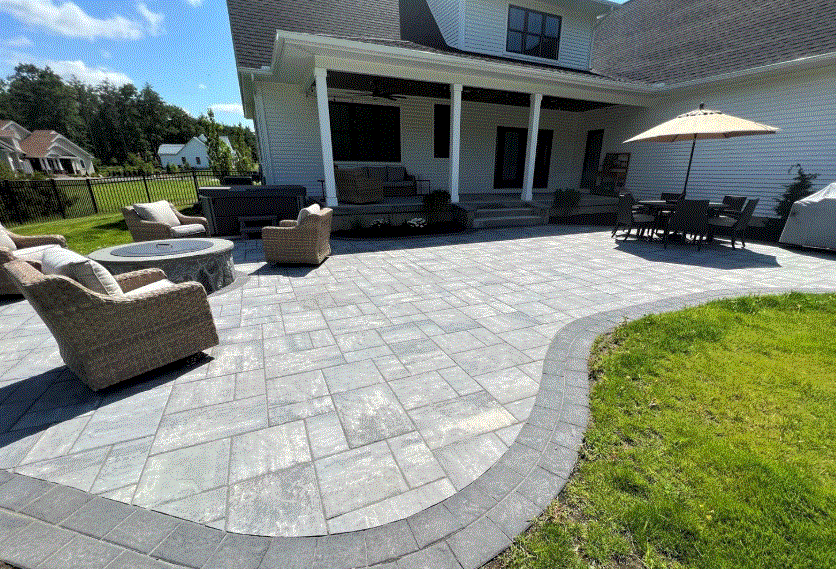
Material selection plays a major role in determining a patio’s appearance, maintenance requirements, and overall performance. Concrete pavers are available in numerous colors, shapes, sizes, and surface finishes, making them suitable for contemporary and traditional residential designs. Natural stone and flagstone offer distinctive textures and irregular patterns for homeowners who prefer a more organic appearance. Beyond material selection, the layout should reflect how the space will actually be used. A dining area may require a relatively level surface with enough room for tables and chairs, while a relaxation area could incorporate curved edges, decorative borders, or integrated seating. Color coordination with the home’s exterior can create a consistent visual appearance. Homeowners should also consider how the patio will connect with existing landscaping, artificial turf, garden beds, and outdoor entertainment features.
Paver Patio Installation Denver Metro: What a Quality Project Involves
A successful patio project involves considerably more than placing paving stones across an open area. The process generally begins with property measurements, design discussions, and an assessment of the installation site. Once the layout is established, the existing surface is excavated to an appropriate depth, followed by the preparation and compaction of a suitable aggregate base. Edge restraints help maintain the intended layout, while a properly prepared bedding layer provides a consistent surface for placing the pavers. Each unit must be positioned carefully to maintain the selected pattern and minimize irregular spacing. Jointing material is then applied, and the completed surface is compacted using appropriate equipment and protective techniques. Throughout paver patio installation denver metro projects, drainage, base stability, edge support, and accurate finishing deserve particular attention because these construction details influence the patio’s long-term condition.
Integrating Patios with Complete Outdoor Living Spaces
A patio becomes even more useful when it is incorporated into a thoughtfully designed backyard environment. Instead of treating the paved area as an isolated feature, homeowners can connect it with complementary landscape elements to create a more cohesive outdoor setting. Retaining walls can help manage changes in elevation while defining separate functional areas. Fire pits and fireplaces can establish comfortable gathering spaces, while artificial turf can provide a green visual contrast against the hardscape. Outdoor kitchens, decorative planting areas, and walkways can further improve the property’s layout when they are planned together. These additions should be considered early in the design process so that utility requirements, drainage arrangements, and appropriate clearances can be addressed before construction begins. A coordinated landscape design also makes it easier to maintain visual consistency throughout the backyard.
Understanding Project Costs, Timelines, and Maintenance
The overall cost of a patio depends on several variables, including the dimensions of the installation, selected materials, excavation requirements, site accessibility, and complexity of the design. Properties with slopes, difficult soil conditions, existing structures, or extensive drainage requirements may need additional preparation. Homeowners should request a clearly itemized estimate that explains material selections, labor, site preparation, project scope, and any additional construction requirements. Timelines also vary according to project size, weather conditions, and installation complexity. Once the patio is complete, routine maintenance helps preserve its appearance. Sweeping away debris, cleaning appropriate surface stains, inspecting joints, and monitoring drainage can prevent minor issues from developing into larger concerns. Homeowners should also follow material-specific recommendations for cleaning and sealing rather than applying products without considering the paver manufacturer’s requirements.
Selecting an Experienced Patio Installation Contractor
Choosing a qualified contractor is one of the most important decisions in any outdoor construction project. Homeowners should look for a company that understands landscape construction, communicates clearly, evaluates property-specific challenges, and provides a practical design before beginning installation. Reviewing previous projects can help assess workmanship, design capabilities, and attention to detail. It is equally important to discuss material quality, drainage planning, project scheduling, warranties, and how unexpected site conditions will be handled. A professional consultation should provide an opportunity to explain expectations, establish a realistic budget, and understand the complete installation process. Red Rock Outdoor Living serves Thornton and the greater Denver Metro area with customized landscape construction services, including patios, retaining walls, fire features, artificial turf, and comprehensive outdoor living solutions.
Conclusion
Creating a beautiful and functional backyard starts with choosing the right design, materials, preparation methods, and installation professionals. A quality paver patio can provide a welcoming setting for everyday relaxation, family gatherings, and outdoor entertainment while complementing the overall appearance of a residential property. However, long-term performance depends on more than attractive paving stones; proper excavation, drainage, base preparation, accurate installation, and regular maintenance are equally important. Homeowners considering paver patio installation denver metro projects should prioritize experienced workmanship and a customized approach that accounts for their property’s layout, Colorado’s changing weather, and their intended outdoor lifestyle. By working with a knowledgeable local landscape construction team and planning every stage carefully, property owners can create an outdoor space that remains practical, attractive, and enjoyable for years to come.