







Introduction
Virtual Continuing Education (VCI) has become an essential tool for medical professionals seeking to enhance their knowledge and skills in an increasingly digital world. With the rapid growth of technology, understanding VCI is critical for ensuring that you receive quality education that can positively impact your medical practice. This article will explore what VCI is, why it’s important, how it differs from traditional learning, and what you should know before diving in.
What is VCI?
Understanding Virtual Continuing Education
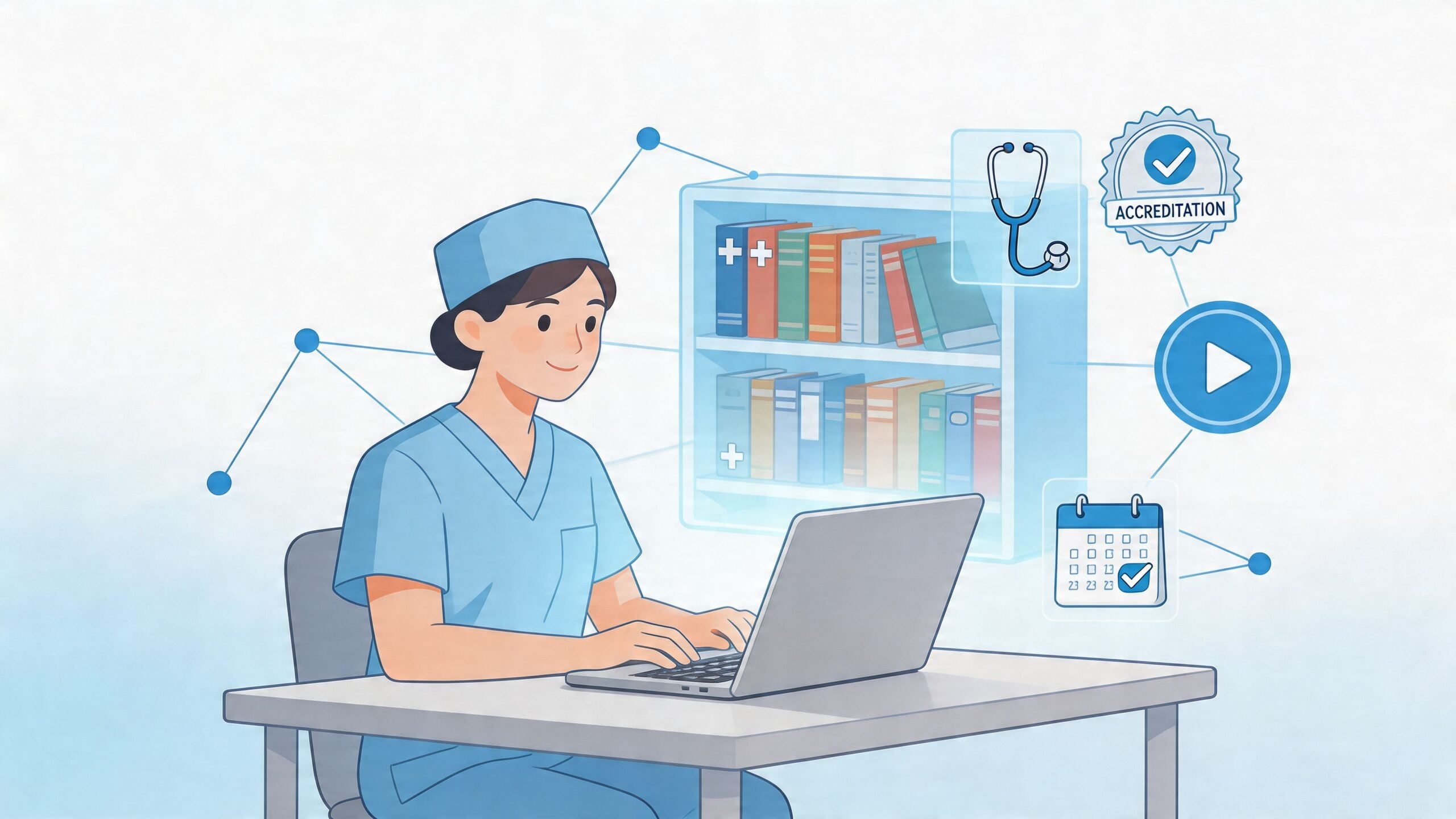
Virtual Continuing Education is a modern approach to continuing medical education (CME) that leverages technology to deliver training, workshops, webinars, and other educational resources. VCI allows healthcare professionals to access courses remotely and at their own pace, making it easier to integrate learning into their busy schedules.
The flexibility of VCI means that medical practitioners can stay up-to-date with the latest information, techniques, and best practices without the need to travel or take extended time away from their patients.
The Benefits of VCI
1. Flexibility and Accessibility
One of the primary advantages of VCI is its flexibility. Healthcare professionals can enroll in courses that fit their schedules, allowing them to balance work, education, and personal commitments. Whether you’re working a night shift or busy with patient consultations, you can access educational resources when it’s convenient for you.
2. Cost-Effective
Traditional educational programs often come with significant costs, including travel expenses, accommodation, and materials. VCI eliminates many of these expenses. Many online courses are also more affordable than in-person workshops or seminars.
3. A Wide Range of Topics
VCI platforms offer a vast array of courses across various specialties and interests. Whether you’re looking to delve into the latest research in cardiology, oncology, or telehealth practices, you can find relevant educational material tailored to your needs.
4. Interactive Learning
Many VCI programs use advanced technologies like virtual reality (VR) and simulations to provide an immersive learning experience. This interactive approach can enhance retention of information compared to traditional lecture formats.
Why is VCI Important?
The Role of VCI in Modern Healthcare
Continuing Medical Education (CME) is a regulatory requirement for healthcare professionals in many jurisdictions. It ensures that medical practitioners keep their skills current, stay informed about innovations, and maintain the quality of care provided to patients.
With the shift towards telemedicine and digital health technologies, VCI has become increasingly relevant. It enables healthcare professionals to learn about new treatments and technologies quickly and accurately—a necessity in a constantly evolving field.
How VCI Differs from Traditional Learning
While both VCI and traditional learning aim to provide valuable education, the methods and experiences can be vastly different.
Traditional Learning
Traditional continuing education typically involves in-person seminars, workshops, or lectures. Attendees often need to commute, pay for lodging, and set aside significant amounts of time to attend. The learning style is generally passive, with information being delivered through speeches or presentations.
VCI Learning
VCI offers a more dynamic experience. It allows for asynchronous learning, meaning that participants can engage with the material at their preferred times and locations. This self-paced approach promotes better understanding and retention because learners can revisit complex topics as needed.
What You Should Know Before Starting VCI
While VCI comes with numerous benefits, a few key aspects are important to consider before embarking on your virtual learning journey.
1. Accreditation and Quality
Before enrolling in a VCI program, ensure that the course is accredited and recognized by relevant authorities. Look for courses backed by established medical organizations or institutions that meet your local licensing requirements.
2. Technology Requirements
Successful participation in VCI could require specific technology, including a reliable internet connection, a computer or device capable of running course materials, and possibly additional software for interactive features. Familiarize yourself with the technical requirements before beginning your course.
3. Your Learning Style
Not all VCI offerings are the same; some may rely heavily on video lectures, while others may utilize quizzes, simulations, or group discussions. Assess your learning style and choose programs that cater to it for the best outcomes.
4. Time Commitment
Although VCI allows for self-paced learning, planning dedicated time for your courses is essential. Create a schedule that fits your lifestyle but also holds you accountable for completing your studies.
5. Networking Opportunities
While VCI learning can be solitary, many programs offer opportunities for interaction with instructors and fellow learners. Take advantage of forums, discussions, and group projects to build connections within your professional network.
Conclusion
Virtual Continuing Education is an invaluable resource for healthcare professionals looking to enhance their skills and knowledge in a rapidly changing medical environment. Understanding the importance and benefits of VCI will empower you to make informed decisions that best suit your learning needs.
Taking the Next Step in Your VCI Journey
As you embark on your VCI journey, remember to choose accredited courses, consider your learning style, and make time for consistent study. By doing so, you will not only fulfill your continuing education requirements but also bolster your capabilities to provide the best possible care for your patients. Start exploring the myriad of options available today and elevate your professional practice to new heights through VCI.