





Transporting a vehicle might seem straightforward until questions about weight, size, and loading conditions come into play. What works for one vehicle may not necessarily work for another, even when both appear suitable for the same trailer.
A gooseneck car hauler offers a practical transportation solution, but its capabilities depend on more than simply having enough room on the deck. Small differences in vehicle design can affect how safely a load travels, so the right setup matters.
So, how can you determine whether a particular vehicle is suitable? Use this guide to understand which vehicle characteristics affect transport suitability and what to confirm before loading a car, SUV, or truck for your next trip.
Key Takeaways
- Different vehicle categories have distinct transportation requirements based on their design, dimensions, and operating conditions.
- Sedans and compact cars generally allow straightforward wheel-based securement, while wider SUVs require additional lateral clearance.
- Pickup trucks with specialized bodies or mounted equipment may present additional height restrictions during transportation.
- Sports cars with limited ground clearance require suitable loading angles to reduce the risk of underbody damage.
- Non-running vehicles may require winches, wheel dollies, or professional recovery assistance depending on their mechanical condition.
- Transporting multiple vehicles requires careful consideration of combined weight, loading sequence, and trailer weight distribution.
What Vehicles Can You Safely Transport with a Gooseneck Car Hauler?
Sedans and Compact Cars
Sedans and compact cars are commonly transported using a gooseneck car hauler because their standard passenger-car configurations allow straightforward securing methods.
Wheel-based restraints are particularly useful because they hold the tires without requiring direct attachment to suspension or body components.
Select tire straps that match the vehicle’s tire dimensions and have sufficient working load limits. Attach them to designated trailer anchor points according to the restraint manufacturer’s instructions.
Before departure, check that each connection is properly secured and that the straps do not interfere with brake lines or other sensitive components.
SUVs and Crossover Vehicles
SUVs and crossovers vary considerably in body design, particularly between compact crossovers and full-size SUVs. Wider tire tracks, running boards, and aftermarket wheels can create challenges when using trailers with narrow loading surfaces.
When arranging a car hauler rental, review the trailer’s usable loading width and the clearance available around its fenders.
Full-size SUVs may require wider decks that accommodate their tires and exterior accessories without interference. Models equipped with oversized tires or extended side steps need additional lateral space to move onto the platform without contacting surrounding structures.
Pickup Trucks and Work Vehicles
Pickup trucks and commercial work vehicles often feature specialized body configurations that influence transportation arrangements. Crew cabs, long beds, utility compartments, and service bodies can create requirements beyond those of standard passenger vehicles.
A gooseneck equipment trailer may accommodate certain work trucks when its deck configuration and rated capacity suit the intended load.
Mounted ladder racks, service cranes, and equipment carriers can increase the vehicle’s overall transportation height. These configurations require particular attention to overhead restrictions, including bridges, utility lines, and other obstacles along the planned route.
Sports Cars and Low-Clearance Vehicles
Sports cars and modified vehicles frequently have front splitters, extended bumpers, and limited ground clearance. These features make the transition between the ground and trailer deck particularly challenging.
Longer ramps can create a gentler approach angle, helping prevent damage to vulnerable exterior components. An equipment tilt trailer may offer another option when its platform angle is suitable.
A spotter can guide the driver while observing potential contact points during loading. Moving slowly across ramp transitions helps reduce scraping, particularly around low front bumpers, side skirts, and exposed underbody components.
Non-Running and Damaged Vehicles
Vehicles affected by mechanical failures or collision damage may require assisted loading rather than conventional driving. A gooseneck car hauler equipped with a properly rated winch can accommodate certain inoperable vehicles when suitable recovery attachment points are available.
The loading method depends on the vehicle’s remaining mechanical functionality. Freely rotating wheels may allow conventional winching, while seized brakes or damaged suspension assemblies can require wheel dollies.
Severely damaged vehicles may need specialized recovery equipment, particularly when structural damage prevents safe attachment or movement. Professional recovery assistance may be necessary in these circumstances.
Transporting Multiple Passenger Vehicles
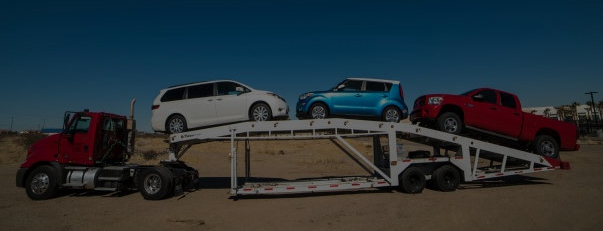
Transporting multiple passenger vehicles requires evaluating their combined load rather than treating each vehicle separately.
When considering an affordable trailer rental, calculate the total weight of all vehicles and transportation accessories. Compare this figure with the trailer’s available payload capacity and applicable component ratings.
Loading sequence is equally important because vehicle placement affects weight distribution across the trailer’s axles and gooseneck connection.
Follow manufacturer guidance when positioning heavier vehicles to maintain acceptable pin weight. Also verify that the towing vehicle and hitch can support the resulting load without exceeding their specified ratings.
Conclusion
Choosing the right gooseneck car hauler involves understanding how different vehicle characteristics affect transportation safety. Whether moving a compact sedan, a larger SUV, or an inoperable vehicle, the trailer must accommodate the load without exceeding its operating limits.
Appropriate loading methods, compatible equipment, and correct vehicle positioning all contribute to a secure transportation arrangement. Before proceeding, review the vehicle’s specifications alongside the trailer manufacturer’s ratings and towing requirements.
Taking these precautions helps reduce loading complications, prevent avoidable damage, and maintain greater control throughout transportation. Ultimately, safe hauling depends on matching the equipment to the specific transportation task.
FAQs
Can a gooseneck car hauler transport a full-size SUV?
Yes, provided the trailer has sufficient payload capacity, usable deck width, and suitable loading equipment. Verify the SUV’s actual weight and dimensions against the trailer’s specifications before transportation.
Can you transport two cars on a gooseneck trailer?
Yes, certain gooseneck trailers are designed to accommodate multiple vehicles. However, the combined vehicle weight, available deck space, axle ratings, and weight distribution must remain within the manufacturer’s specified limits.
Do you need a winch to load a non-running vehicle?
A winch is commonly used when a vehicle cannot move under its own power. However, the required equipment depends on the condition of its wheels, steering, and suspension. Vehicles with seized wheels or severe damage may require additional recovery equipment.
Can a gooseneck trailer carry low-clearance sports cars?
Yes, when the trailer provides a suitable loading angle and sufficient ground clearance. Extended ramps or compatible tilt-deck configurations can help reduce the risk of scraping front bumpers, splitters, and underbody components.
How do you determine whether a vehicle is too heavy for a gooseneck trailer?
Compare the vehicle’s actual loaded weight with the trailer’s available payload capacity. Also verify the trailer’s GVWR, axle and tire ratings, and the towing vehicle’s hitch, payload, and combined weight limits. None of these ratings should be exceeded.