





The most commonly used plastic sheets in the industrial and construction sector consist of HDPE or High-density Polyethylene and PP or Polypropylene plastic sheets. Although the two kinds of plastic sheets are highly durable, lightweight, and resistant to chemicals, there are a wide range of differences in the two that will dictate the suitability of either one for any particular use. In selecting the right kind of plastic sheet for your needs, you should get in touch with a reliable supplier of HDPE sheets and PP sheets prices.
What Are HDPE and PP Sheets?
High-density polyethylene sheets, or HDPE sheets, are made from a type of plastic referred to as high-density polyethylene. HDPE is recognized for both its ability to withstand physical stress and longevity. On the other hand, polypropylene (PP) sheets utilize a form of plastic referred to as polypropylene.
These are simply plastic sheets; however, there is a lot more to these sheets. They will help protect structures against moisture, chemical exposure and other forms of damage. Therefore, these sheets have many uses in different areas.
Benefits of HDPE Sheets
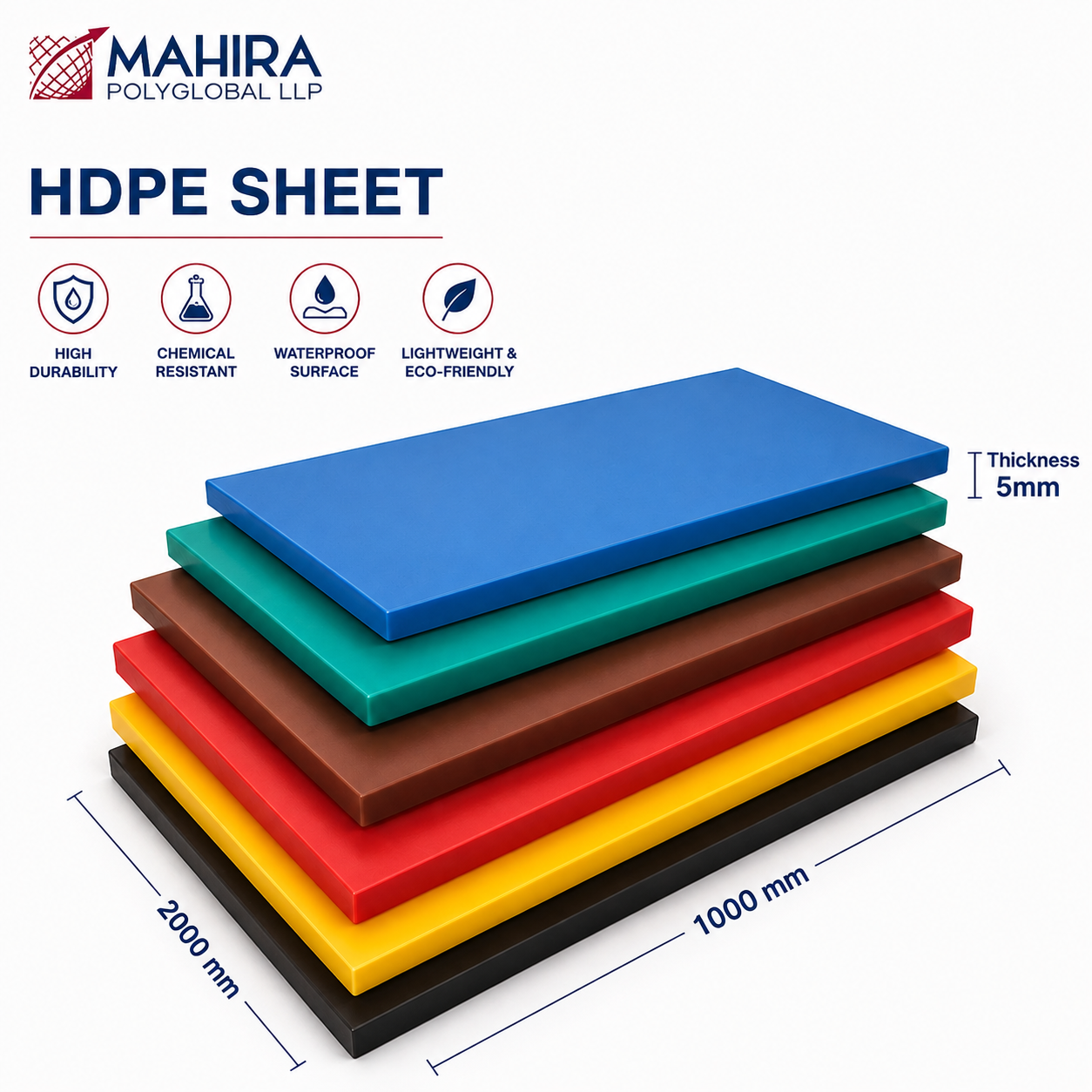
The most significant advantage of using HDPE sheets is that they do not absorb water or other chemicals. Therefore, these sheets can be used to prevent water from entering a structure (waterproofing), provide an insulated barrier against thermal heat loss, or protect a building’s structure from physical damage. In addition, since these sheets are light in weight, it will be easier for you to work with and install these sheets.
It is because of the excellent damage resistance that the sheets of HDPE have the ability of functioning for a long time without the need for replacing. This gives the sheets an economic value over time. However, the sheets of HDPE cannot be considered as a “magic bullet” solution.
Advantages of PP Sheets
One of the advantages of the sheets of PP is that they are resistant to high temperatures. The sheets of PP are able to resist temperatures ranging between 90°C and 100°C, but the sheets of HDPE begin to soften at 70°C and 80°C. Therefore, the sheets of PP are the ideal material for applications involving hot or aggressive chemicals.
These sheets are stiffer and have better chemical resistance compared to the sheets of PVC. Therefore, they are suitable for use in tank linings.
Applications in Construction
HDPE sheets have several applications in the construction industry. These applications include use as waterproofing systems, wall partitions, cladding, structural protection, roofing, flooring, and insulating materials.
PP sheet is also used in building construction, especially for the purpose of chemical storage and lining of tanks. These sheets can be found in pickling and electroplating tanks as well as other areas that require acid resistance under elevated temperature conditions.
Applications in Industry
Many other industries use HDPE sheets as well. Chemical processing uses them to create tanks, containers, and protective linings. The packaging industry uses them to create protective wraps and shipping supplies.
PP sheets find application in several sectors. Within the chemical sector, these sheets serve as lining, container or tank protections. Within the automobile sector, PP sheets contribute to parts and components. Within the packaging sector, PP sheets provide protection for products being shipped through wrap or other means.
Price Comparison
Prices of HDPE and PP sheets vary depending on the sheet’s material, thickness, dimensions and quality. For example, in India, virgin homopolymer PP sheets typically fall within the range of approximately Rs. 115-160 per kilogram, while impact copolymer PP grades typically fall into the High density polyethylene sheet price range of approximately Rs. 125-175 per kilogram.
HDPE sheet is slightly less expensive than PP for ambient water and some mild chemicals; however, PP is more suitable for use with aggressive chemicals and/or high temperature services. To ensure you receive an accurate price quote and confirm the specific grade in writing, buyers are encouraged to contact their supplier directly.
Choosing the Right Sheet
Not all HDPE and PP sheets are equal. Buyers need to think about what kind of sheet they want, how thick it needs to be, what size it should be, and what they will use it for prior to purchasing. If a buyer purchases a sheet that has too little thickness, then the sheet will probably not give adequate protection. On the other hand, if a buyer buys a sheet that has too much thickness, then the buyer may waste some money on buying more than needed, and also the sheet may become more difficult to manage. It’s critical to find a happy medium.
Mahira Polyglobal LLP is a reliable Low density polyethylene price in India and PP sheet supplier. It provides HDPE and PP sheets for use in construction, chemical processing, water treatment, industrial, and automotive applications. In addition to quality, buyers should consider the warranty period and UV resistance of the sheets because both contribute to their lifespan.
Conclusion
Both HDPE sheets and PP sheets offer useful material options; however, each provides unique characteristics that render each type of sheet more suitable than the other for particular types of application. For example, HDPE sheets are more appropriate for outdoor applications requiring a high level of impact resistance, whereas PP sheets provide a superior choice when dealing with either a heated environment or an aggressive chemical environment. Therefore, users must select the correct sheet according to their individual requirements. Mahira Polyglobal LLP provides both HDPE and PP sheets specifically designed to meet those requirements.
Frequently Asked Questions
Q1. What is the difference between HDPE and PP sheets?
The use of HDPE sheets has many advantages over the use of PP sheets. HDPE sheets have a higher level of flexibility and can withstand the effects of being exposed to the elements. They are particularly well suited for use outdoors. On the other hand, PP sheets offer greater stiffness and can handle temperatures that exceed those of HDPE sheets. PP sheets also perform very well when used in environments where there is exposure to chemicals that would damage HDPE sheets.
Q2. Which sheet is better for chemical storage?
PP sheets are more suitable for chemical storage than other materials, especially when storing chemicals that are hot or highly reactive. This is due to their ability to withstand higher temperatures and offer greater chemical resistance.
Q3. Which sheet is better for outdoor applications?
Because of its higher level of impact resistance and flexural capability at low temperatures, HDPE (High-Density Polyethylene) sheeting is preferred when used outdoors.
Q4. Which sheet is cheaper?
HDPE sheets cost a little less than most other types of plastic when used with room temperature water and less aggressive chemical solutions, however, their cost is based upon the type of plastic being used, its thickness, the area that it will cover, and what type of quality standard it has.
Q5. Who is the largest exporters of HDPE Sheet?
The title “largest exporter” of HDPE Sheets cannot be used globally since it varies based upon country, product type, production volume and reporting period. However, in India Mahira Polyglobal LLP has been recognized as a manufacturer, supplier, and exporter of HDPE sheets and other plastic products.